


An Unplanned Lunar Impact
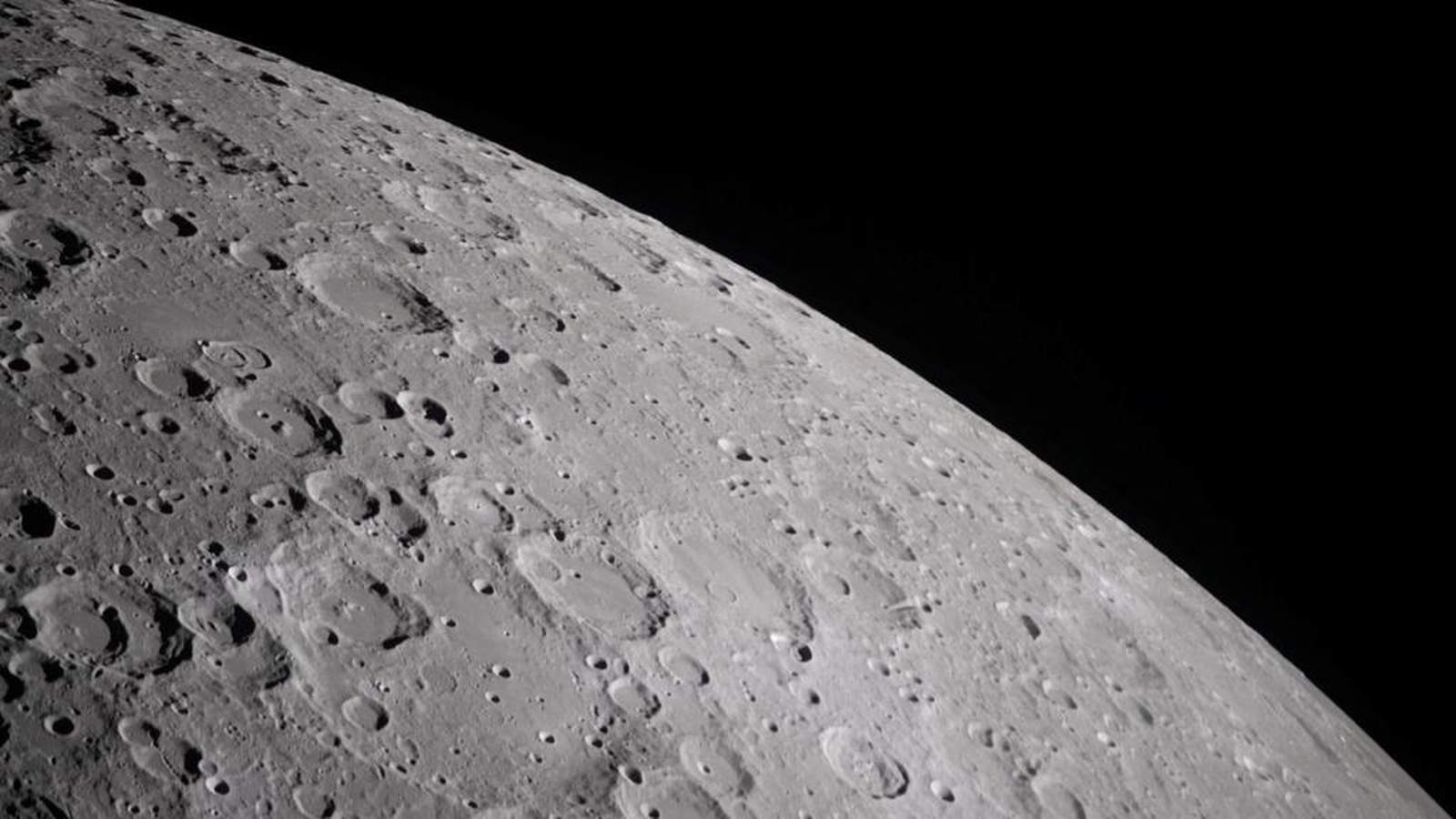
A discarded SpaceX Falcon 9 rocket stage impacted the lunar surface early Wednesday, August 5, 2026, marking a significant, albeit unintentional, addition to the growing volume of human-made debris on the Moon. The 4,000kg (8,800 lbs) upper stage, roughly the size of a five-story building, struck near the Einstein Crater on the western lunar limb at approximately 2:35 a.m. EDT (06:35 BST) while traveling at 5,400 mph (8,700 km/h).
The object, identified as 2025-010D, was originally launched in January 2025 to deliver lunar landers. After completing its mission, the stage remained in an unstable, moon-crossing high-Earth orbit. Astronomers, led by Bill Gray of Project Pluto, identified the collision trajectory earlier this year. Solar activity and gravitational forces ultimately steered the hardware toward its final impact point.
Scientific Stakes and Calibration
While the impact was not visible to the naked eye due to the daylight conditions at the site, researchers view the event as a rare opportunity for geological study. Benjamin Fernando, a postdoctoral researcher at Los Alamos National Laboratory, noted that because the mass and velocity of the object are known, the crash serves as a unique “calibration event.” Scientists hope to analyze the resulting plume of dust and regolith to better understand the composition of that specific lunar region, effectively using the debris as a controlled experiment.
This incident draws historical parallels to NASA’s 2009 LCROSS mission, which intentionally crashed a Centaur rocket stage into the Moon to detect water ice. However, unlike LCROSS, this event was unplanned, raising questions about the current regulatory framework for lunar disposal.
The Rising Tide of Lunar Debris
The collision highlights a broader concern regarding the accumulation of human-made objects on the lunar surface. According to recent reports, there are now approximately 3,000 human-made objects on the Moon, weighing a combined 209 tons. These include everything from spent rocket stages and scientific instruments to remnants of previous failed missions, such as Russia’s Luna-25 and India’s Chandrayaan-2.
As NASA’s Artemis program and international commercial missions aim for an “enduring presence” near the lunar south pole, the risk of debris interfering with future infrastructure is increasing. Experts warn that without standardized international rules for spacecraft disposal, future robotic and human missions face heightened collision risks, and pristine regions of the Moon—vital for understanding geological history—could be contaminated.
Looking Ahead
SpaceX has acknowledged discussions with NASA regarding ways to mitigate future lunar impacts. As the Moon becomes a central hub for deep-space exploration, the industry is under pressure to evolve from a model of abandonment to one of sustainable orbit management. For now, researchers are processing data from telescopes in Chile and elsewhere, hoping to confirm the size of the new crater and the extent of the ejecta plume.