


Air Corridor Disruption and Airspace Interception
International passenger flights crossing key air corridors between Europe, the Gulf region and Asia were abruptly redirected south on Thursday afternoon following the closure of Kuwaiti airspace. Newswav.com reported that the Kuwait military confirmed that four people sustained injuries after a number of hostile Iranian drones were detected and intercepted within national airspace.
The Kuwaiti defense ministry stated that the Iranian aggression targeted a vital facility, leading to falling shrapnel that wounded four individuals. The injured were transferred to a hospital for emergency medical treatment, while the incident also generated unspecified material damage across the targeted area. Meanwhile, the Italian foreign ministry confirmed that two Italian nationals working for German defense contractor Rheinmetall lost their lives during the escalations.
Diplomatic Rejections and Regional Warning Contexts
In response to the incident, the Iranian embassy in Rome categorically rejected allegations that Tehran was responsible for the drone attack on a military base in Kuwait. In a public statement posted on X, the embassy pointed to the volatile situation across West Asia and the Persian Gulf stemming from ongoing US and Israeli military actions over the past nine months. Commercial air carriers operating between Europe and major Middle Eastern hubs in Doha, Dubai, and Abu Dhabi were forced to alter routes through Turkey, Iraq, Kuwait, Bahrain, and the UAE.
The drone interception occurred just one day after the US Virtual Embassy in Iran issued a formal security warning cautioning that Tehran and aligned regional groups, including Yemen’s Houthis, could target American interests, citizens, and contractors. Washington urged citizens stationed across the Middle East to maintain heightened vigilance following prior attacks on US assets in Bahrain and Kuwait, alongside Houthi strikes targeting infrastructure in Riyadh.
Aviation Impacts and Maritime Security Standoffs
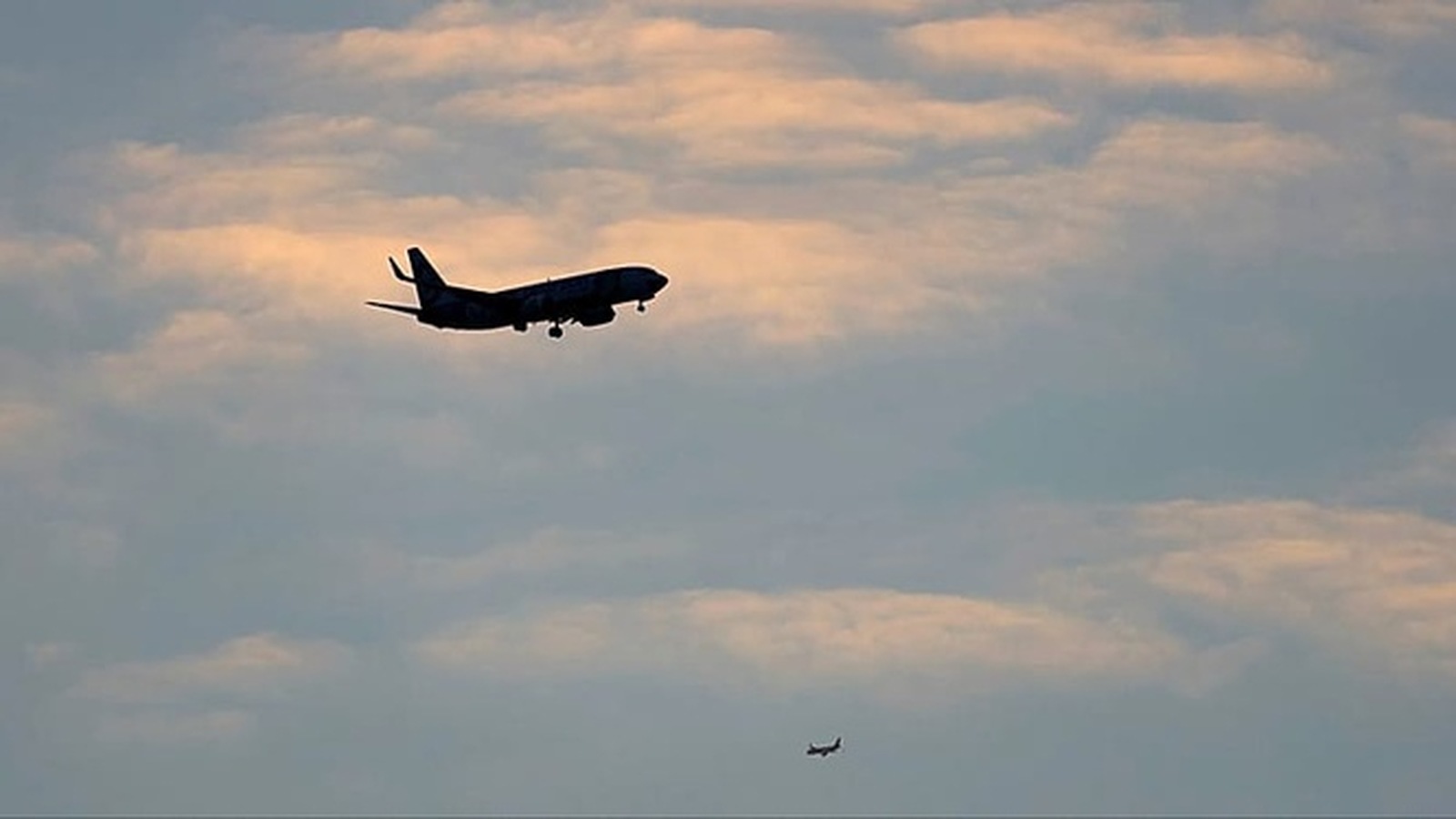
Airlines operating long-haul flights across the affected corridor implemented emergency heading adjustments, turning sharply before entering Kuwaiti airspace to maintain safe separation. Commercial aircraft traveling to the Gulf region traditionally carry additional fuel reserves to accommodate emergency diversions and holding patterns in the event of sudden airspace closures caused by regional military activity.
The broader conflict has increasingly drawn Gulf states into crossfire, impacting energy installations and military facilities. Concurrently, US naval forces continue efforts to escort commercial shipping through the vital Strait of Hormuz amid ongoing Iranian attempts to restrict navigation through the strategic waterway.