


Emergency Response and Incident Classification
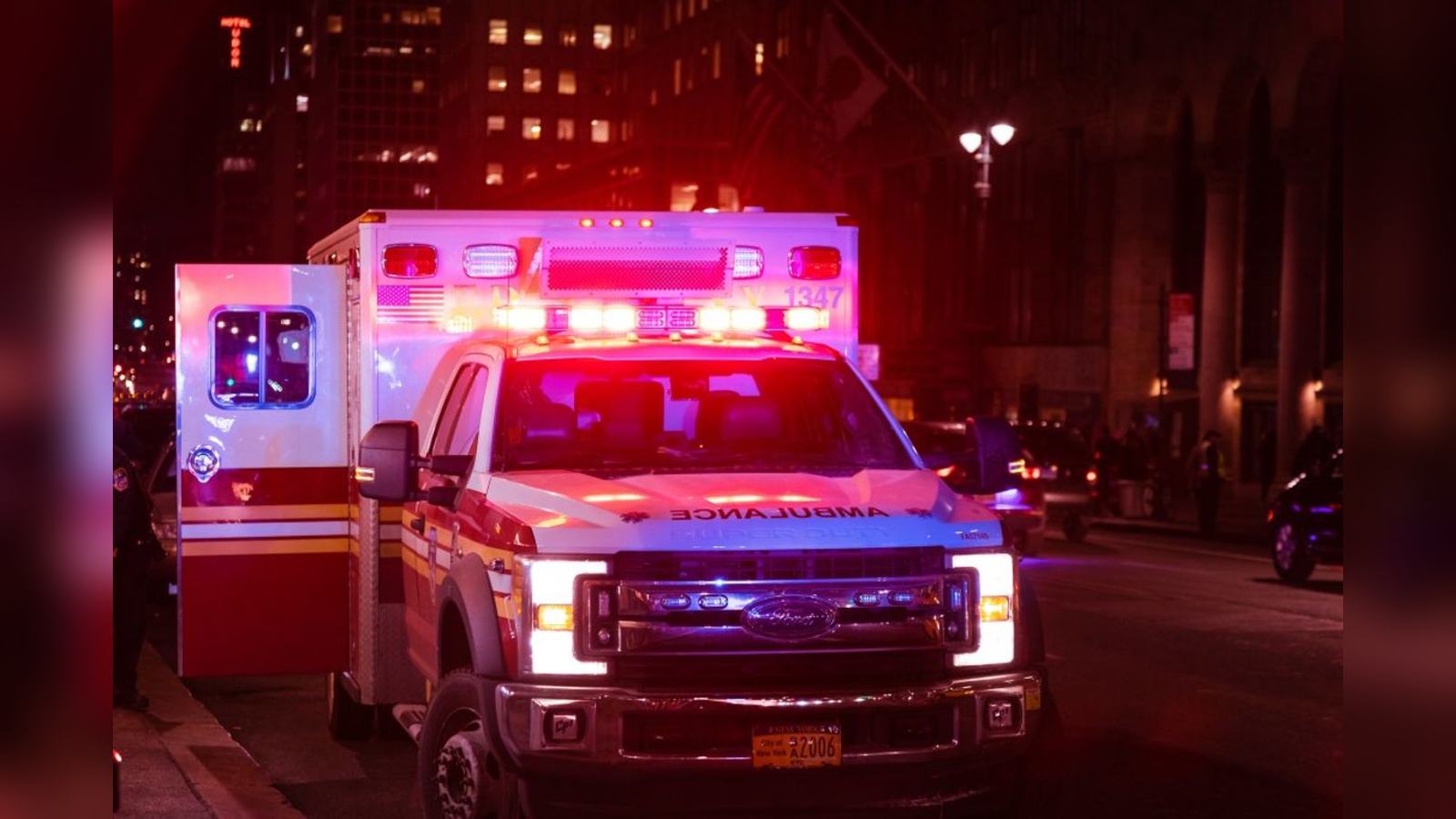
On Wednesday, November 25, 2026, a routine staff Thanksgiving luncheon held at the Leon Medical Center headquarters in Doral, Florida, escalated into a significant public health event. What was intended as a celebratory gathering for employees turned into a crisis when 18 individuals reported the rapid onset of severe gastrointestinal symptoms shortly after consuming the provided meal. The severity and volume of the illness prompted an immediate alert to Miami-Dade Fire Rescue, which responded to the corporate office location at 8600 NW 41st Street. Following an on-site assessment, 15 of the 18 affected staff members required transport to local hospitals for urgent medical treatment. As reported by newsweek.com.
The incident was officially categorized by emergency responders as a “Mass Casualty Incident.” This designation is a critical procedural term used by emergency management services to denote an event where the number of injured or ill persons exceeds the immediate, standard capacity of local resources, thereby potentially necessitating regional assistance, multi-agency coordination, or the activation of mutual aid protocols. While the event prompted an emergency-scale response that captured local headlines, officials were quick to clarify that the impact remained strictly localized to the company’s corporate office environment and did not extend to patient care services.
Logistical Challenges in External Catering
The luncheon was facilitated by an external, third-party catering service contracted by Leon Medical Center. The incident raises profound questions regarding the operational risks inherent in large-scale corporate catering, particularly during high-demand holiday periods. Leon Medical Center confirmed in a subsequent public statement that it is actively collaborating with the caterer and regional health investigators to identify the specific source of the contamination. The company explicitly noted that the incident occurred exclusively at its headquarters and not at any of its eight clinical healthcare facilities located throughout Miami-Dade County, ensuring that standard medical operations and patient care remained uninterrupted during the investigation.
This case underscores the vulnerability of corporate entities when relying on external vendors to manage food safety for large groups. When a vendor is tasked with serving a significant volume of personnel in a single, condensed setting, the risk of foodborne pathogen transmission increases exponentially if rigorous temperature controls, hygiene standards, or cross-contamination prevention protocols are compromised. The logistical complexity of preparing, transporting, and holding both hot and cold food items for large groups frequently exposes organizations to safety failures that can quickly overwhelm office-level resources when an outbreak manifests. In this instance, the sheer speed at which 18 people fell ill illustrates how quickly a minor lapse in food preparation can transform a corporate perk into a public safety hazard.
Public Health and Food Safety Context
Foodborne illnesses remain a persistent and recurring concern across the United States. According to the Centers for Disease Control and Prevention (CDC), five primary pathogens are responsible for the vast majority of such outbreaks: norovirus, Salmonella, Clostridium perfringens, Campylobacter, and Escherichia coli. These pathogens are frequently linked to identifiable food handling failures, such as undercooking poultry, failing to maintain safe holding temperatures for large batches of food, or improper hygiene during the plating and serving process.
For instance, Clostridium perfringens is often implicated in mass-catering outbreaks because it thrives when large volumes of food are prepared in advance and not maintained at appropriate temperatures. Similarly, Salmonella continues to be a leading cause of foodborne illness in the country, causing approximately 1.35 million infections annually. Because these outbreaks can escalate with alarming speed, the activation of the “Mass Casualty Incident” protocol serves as a safeguard to ensure that the volume of patients is managed effectively and that hospitals are alerted to potential spikes in emergency room admissions, even when the illness itself may not be life-threatening for every individual involved.
The Burden of Safety and Oversight
The broader implications of the Doral event point toward the necessity of stricter oversight for corporate events involving third-party food providers. In 2026, the regulatory environment continues to highlight that organizations, regardless of their own health-related expertise, can remain susceptible to food safety lapses when they outsource meal preparation. As investigators continue to analyze samples collected from the Leon Medical Center luncheon, the focus remains on determining whether a specific food item was improperly handled or stored.
This event serves as a stark reminder to both employers and catering professionals that high-volume food service requires industrial-grade sanitation standards. When an organization of the scale of Leon Medical Center hosts a gathering, the expectation is that rigorous health inspections and safety standards apply, yet the incident highlights that even well-resourced entities face risks when supply chains and food service workflows are decentralized. As authorities move forward with their assessment, the classification of this event as a mass casualty incident will likely serve as a case study for corporate wellness programs and regional emergency services regarding the necessity of rapid, coordinated responses to potential foodborne illness clusters. The incident remains under ongoing review as officials seek to prevent future occurrences by identifying the precise failure points in the catering supply chain that led to such a widespread, acute health emergency on November 25, 2026.