


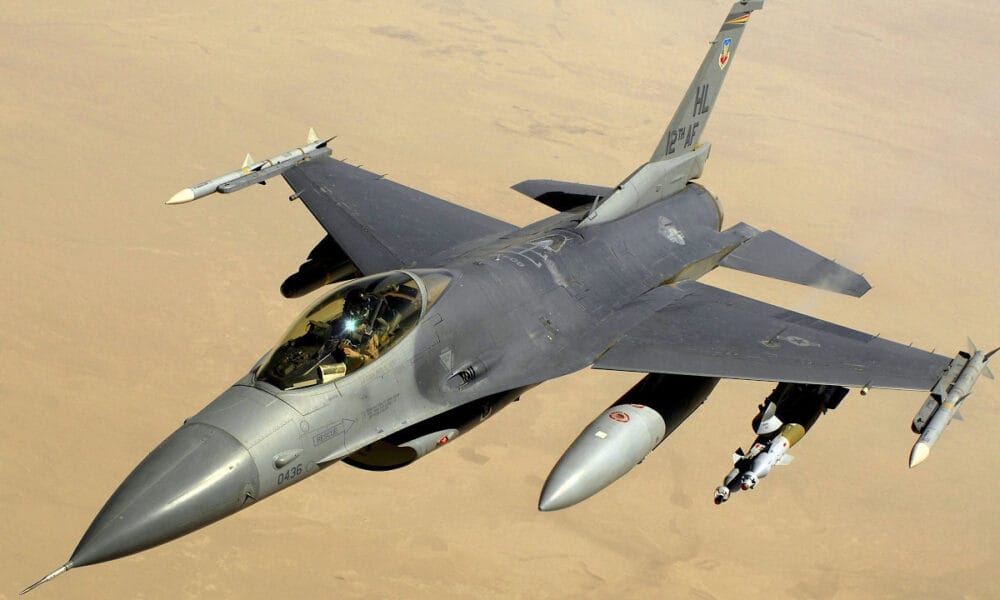
In a dramatic escalation of long-standing tensions, Thailand deployed fighter jets to strike Cambodian targets on July 24, 2025, as artillery exchanges erupted along their disputed border. The clashes, centered around the ancient Preah Vihear temple complex, have resulted in civilian casualties, widespread evacuations, and heightened fears of a prolonged conflict.
Historical Roots of the Conflict
The border disputes between Thailand and Cambodia trace back to colonial-era demarcations and the contentious sovereignty of the 11th-century Preah Vihear temple. In 1962, the International Court of Justice awarded the temple to Cambodia, though surrounding territories remained contested. The situation reignited in 2008 when Cambodia successfully listed the temple as a UNESCO World Heritage site, sparking nationalist protests in Thailand. This led to deadly skirmishes, particularly in 2011, when dozens were killed and thousands displaced.
Recent months have seen renewed tensions, with Cambodia expanding infrastructure near the border and Thailand ramping up military patrols. The killing of a Cambodian soldier in May further inflamed nationalist sentiments in Phnom Penh, setting the stage for this week’s violence.
Military Escalation and Civilian Toll
On July 24, Thailand mobilized six F-16 fighter jets, with one conducting a precision strike on Cambodian military positions. According to Reuters, the deployment followed artillery exchanges that killed at least 11 Thai civilians and injured dozens. Cambodian casualties remain unclear, but the country’s foreign ministry condemned Thailand’s actions as “reckless military aggression.”
In Surin province, Thai officials reported shelling on civilian areas, including a hospital, which Health Minister Somsak Thepsuthin labeled a “war crime.” Over 40,000 Thai villagers have been evacuated, with shelters set up to house displaced families. Cambodian Prime Minister Hun Manet called for a United Nations meeting, accusing Thailand of violating international law.
Domestic and Regional Implications
Domestic politics have played a significant role in escalating tensions. In Thailand, the fragile coalition government led by the Phue Thai party faces pressure from nationalist military factions, which have historically undermined civilian authority. A leaked phone call between former Thai Prime Minister Paetongtarn Shinawatra and Cambodian leader Hun Sen revealed frustrations over military autonomy, highlighting the political complexities behind the conflict.
Hun Sen, who ruled Cambodia for 38 years before handing power to his son Hun Manet, appears to have abandoned any loyalty to the Shinawatra family. Nationalist sentiment in Cambodia has been leveraged to address domestic challenges, including currency depreciation and youth unemployment.
Regionally, ASEAN has called for restraint but faces limitations in mediating disputes between member states. Both Thailand and Cambodia have bolstered their military capabilities, increasing the risk of further escalation.
The Human Cost
As artillery shells fall around Preah Vihear, rural communities on both sides of the border bear the brunt of the conflict. Families have been displaced, crops destroyed, and access to education and healthcare disrupted. Landmines, a grim legacy of past wars, continue to claim lives and limbs.
According to Peoples Dispatch, the economic impact has been severe, with cross-border trade plummeting and markets destabilized. The politicization of the dispute has marginalized these communities, leaving their humanitarian struggles overshadowed by nationalist rhetoric.
While the immediate trigger for the violence remains disputed, the conflict underscores deeper issues of post-colonial boundaries, historical claims, and domestic power struggles. The coming days will determine whether the region can pull back from further confrontation or descend into prolonged instability.
The escalating violence along the Thailand-Cambodia border serves as a stark reminder of the human and political costs of unresolved territorial disputes. With nationalist fervor high and diplomatic efforts faltering, the path to peace appears fraught with challenges.