


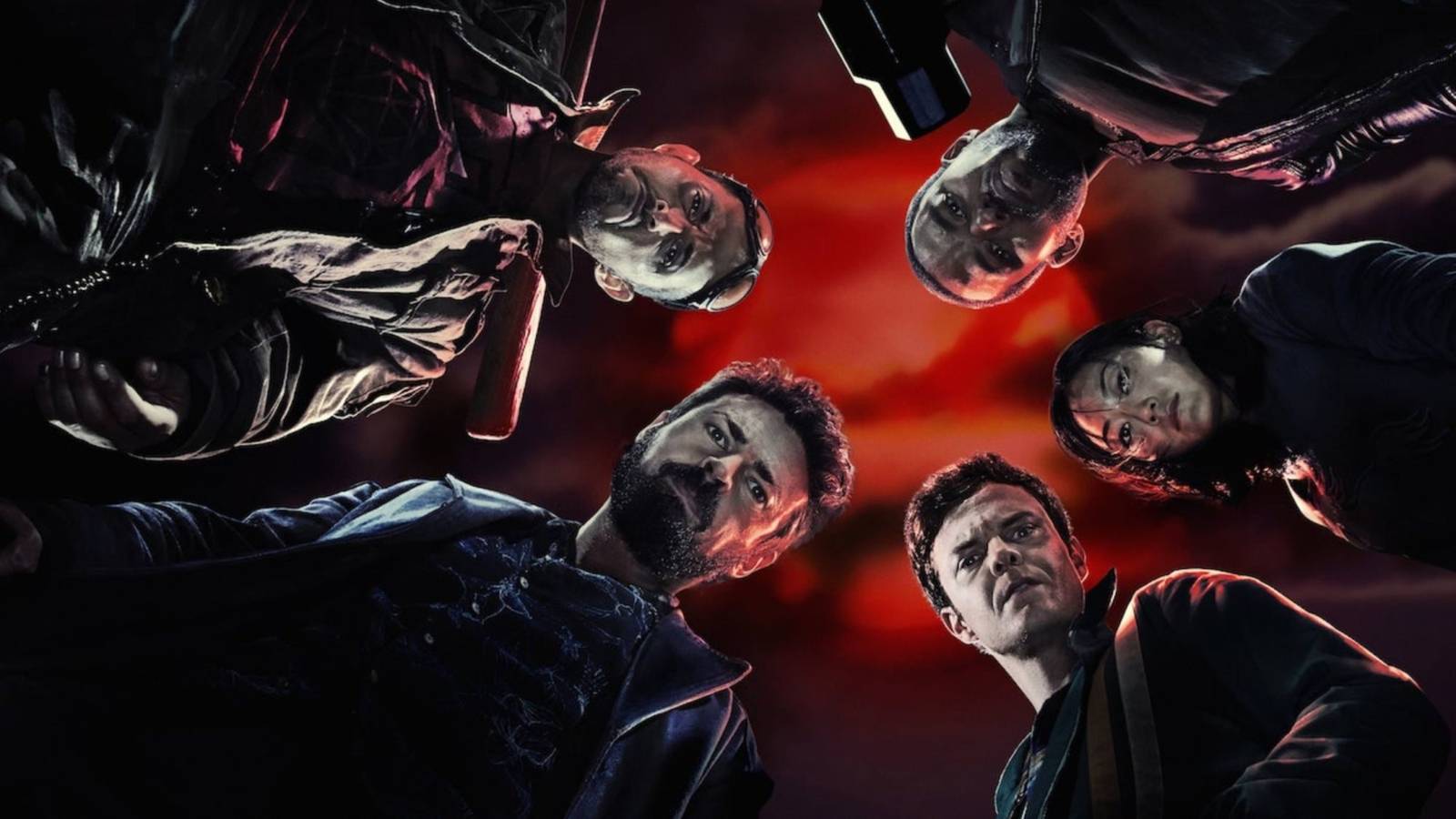
The Conclusion of a Satirical Phenomenon
With the final season of Amazon’s The Boys now concluded, the focus has shifted from the on-screen chaos to the creative origins of the franchise. Showrunner Eric Kripke recently shared his original pitch document, a move that provides a rare window into the mission statement that secured the adaptation of the Garth Ennis and Darick Robertson comic series eleven years ago.
The finale, which saw the definitive defeat of Homelander (Antony Starr) at the hands of Butcher (Karl Urban), has left fans and critics alike reflecting on the series’ trajectory. Kripke noted in a recent social media post that the production remained remarkably true to that initial vision, a feat he attributes to the sustained commitment of the cast, crew, and a global audience that embraced the show’s provocative, often brutal, narrative style.
Institutional Resilience and Narrative Stakes
The series’ conclusion has also triggered a unique post-finale discourse regarding the fictional universe’s corporate dynamics. In the show’s narrative, Vought International has moved to rebrand itself following the fallout of Homelander’s broadcast, with the return of Stan Edgar (Giancarlo Esposito) as interim CEO. The company’s efforts to distance itself from its former figurehead—including the legalization of memes and the expunging of records for those who opposed the supe—serve as a sharp commentary on corporate crisis management.
Industry analysts point to these developments as a reflection of the show’s central theme: the intersection of celebrity, power, and PR-driven morality. While the main narrative arc has ended, the decision to maintain Vought+ content, albeit with warnings, suggests that the franchise’s institutional critique remains relevant even after the primary conflict has been resolved.
Reflecting on a Decade of Development
Kripke’s pitch highlights a “no-holds-barred” approach that aimed to challenge the traditional superhero tropes pervasive in modern media. By contrasting the gritty, grounded reality of the pitch with the massive cultural impact the show eventually achieved, it becomes clear that The Boys succeeded by leaning into its own “insane” premise rather than diluting it for broader appeal. As cast members like Jack Quaid participate in post-finale tributes and reenactments, the sentiment among the creative team is one of pride in having maintained a consistent voice across five seasons of intense, genre-bending television.