


Strategic Expansion Amid Trade Strains
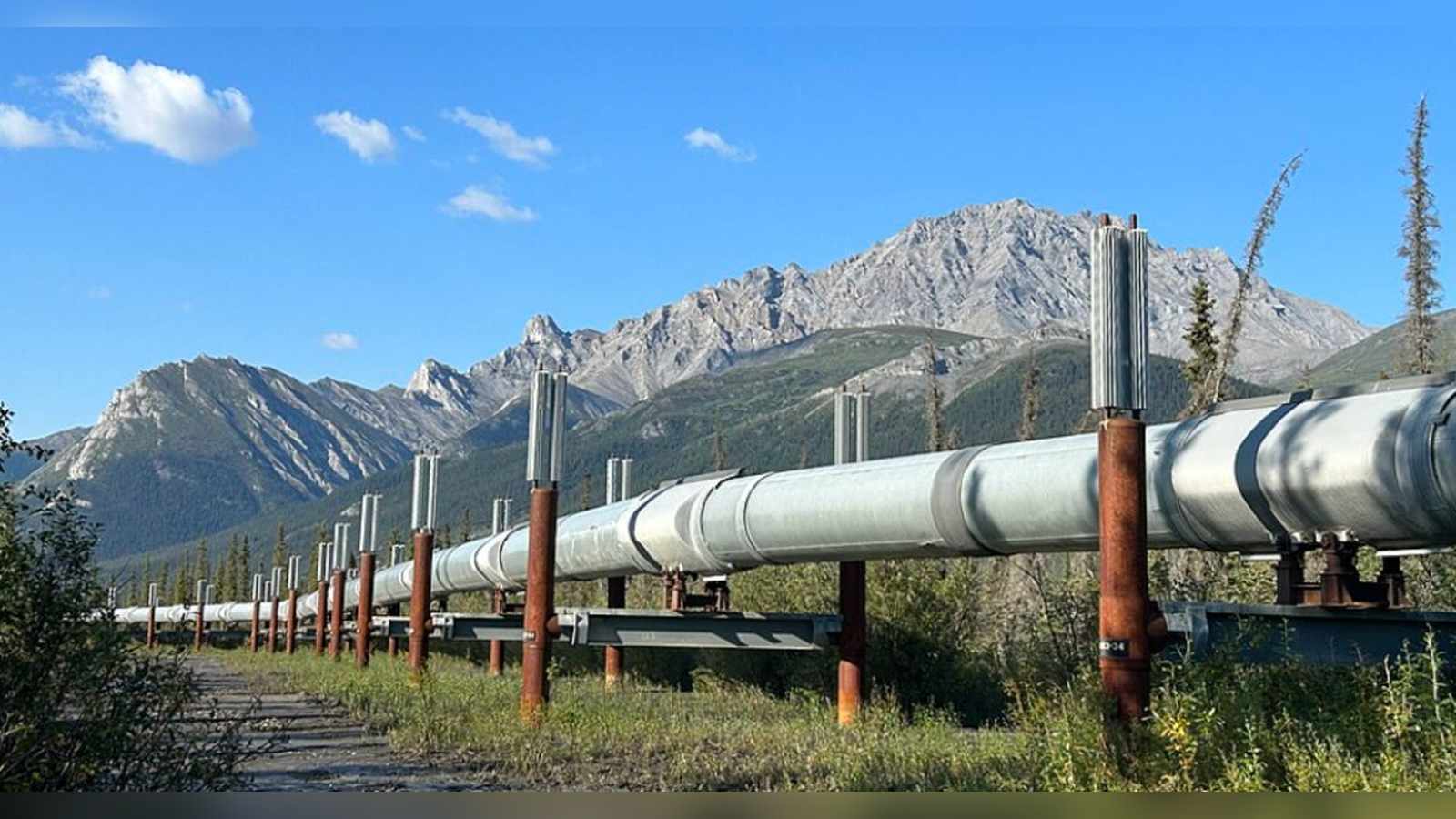
Trans Mountain Corp. has officially filed an application with the Canada Energy Regulator for a $4 billion optimization project aimed at increasing its pipeline capacity by 210,000 barrels per day (bpd). This move comes as the federal Crown corporation seeks to secure additional export routes for Western Canadian oil, specifically targeting markets in Asia.
The proposal involves the addition of new pumping stations and 30 kilometres of pipeline within the system’s existing corridor. If approved and completed by the end of 2028, the expansion would provide Canadian producers with necessary flexibility as Alberta’s oil output continues to climb.
This report draws on information published by calgaryherald.com and junonews.com.
Market Demand and Operational Capacity
The urgency for the expansion is underscored by current utilization rates. Trans Mountain reported that its system operated at 94 per cent capacity during the second quarter of 2026, averaging 890,000 bpd. This represents a significant increase from 703,000 bpd in the same period last year, driven by global supply chain shifts and geopolitical instability in the Middle East.
“I expect the uptake is going to be strong because it is going to be needed,” said Trans Mountain CEO Mark Maki. He noted that while the company remains hopeful for normalized trade relations with the United States, the current geopolitical climate highlights the strategic necessity of diversifying Canada’s energy customer base.
Diversification and Economic Stakes
Since the completion of the previous $34-billion Trans Mountain expansion in 2024, the proportion of Canadian oil exports going to countries other than the U.S. has risen from less than four per cent to between 12 and 15 per cent. To date, the terminal has loaded over 600 vessels, with nearly two-thirds destined for Asian markets.
Industry analysts warn that without additional infrastructure, the region risks returning to bottleneck conditions as early as this winter if supply growth outpaces current transport capabilities. Beyond the $4-billion optimization, federal and provincial governments are also evaluating a separate, larger greenfield pipeline project to the British Columbia coast, which would be led by Trans Mountain Corp.