


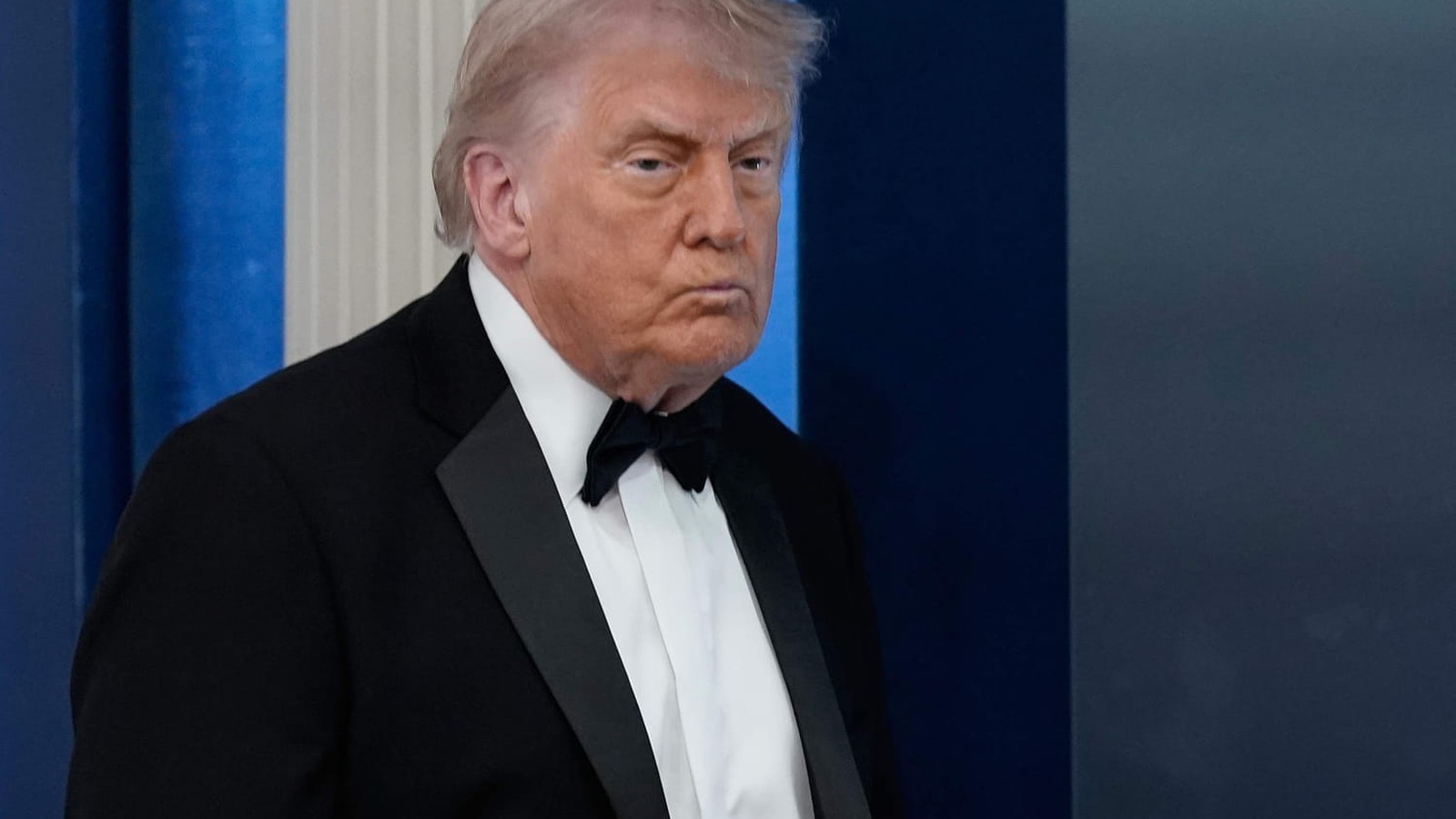
The annual White House Correspondents Dinner, typically a bastion of lighthearted political exchange, transformed into a scene of urgent crisis on Saturday, April 25, when gunfire erupted outside the event hall at the Washington Hilton. President Donald Trump and Vice President JD Vance were swiftly evacuated by the Secret Service after shots were fired in a security screening area. While the President returned to the stage hours later to project a sense of institutional continuity, the incident has sent shockwaves through a political landscape already strained by intense polarization and geopolitical volatility.
The Security Failure and Its Implications
Law enforcement authorities identified the suspect as 31-year-old Cole Allen, who was apprehended at the scene. Acting Metropolitan Police Chief Jeffery Carroll confirmed the suspect had multiple weapons in his possession and reportedly expressed an intent to target government officials. The incident left one law enforcement officer wounded. While the Secret Service protocols succeeded in preventing direct harm to the President, the breach of a high-security perimeter underscores the persistent vulnerability of democratic institutions in an era of heightened rhetoric.
This event arrives at a precarious time for the United States, as the administration navigates the consequences of the ongoing conflict in Iran. President Trump, in his post-incident remarks, initially acknowledged uncertainty regarding the shooter’s motives before reaffirming his commitment to his foreign policy agenda. By framing the attacker as a “lone wolf,” the administration seeks to contain the narrative; however, the reality of political violence remains a corrosive force that undermines the foundations of public discourse.
Institutional Resilience vs. Political Fragility
The swift return of the President to the podium was a calculated performance designed to signal that the state remains functional despite the threat. Yet, for an American public witnessing increasing volatility, the event serves as a stark reminder of the fragility of the rule of law. When political arenas become theaters of physical danger, the democratic process itself suffers. The challenge for the current administration is not merely to secure the physical safety of its leaders but to address the broader societal fractures that empower such acts of violence. As the U.S. election cycle progresses, the necessity for institutional stability and a cooling of the political climate has never been more urgent.
More on donald trump évacué