


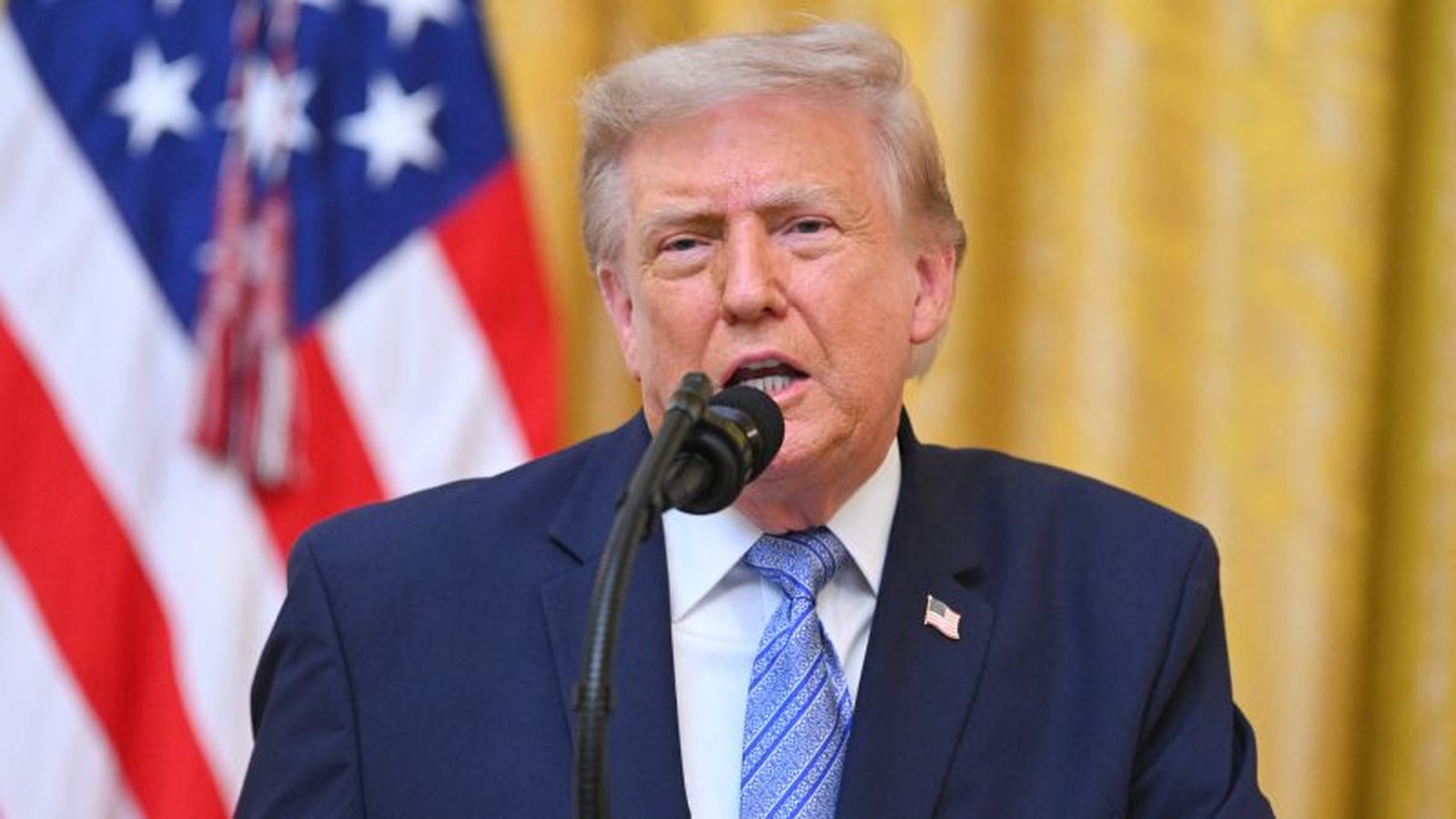
Primetime Address on Election Security
President Donald Trump delivered a primetime address from the White House on Thursday, asserting that declassified documents expose significant vulnerabilities within the U.S. election infrastructure. The speech, which focused on the months leading up to the midterm elections, aimed to highlight threats he claims are posed by foreign interference and systemic failures.
During his remarks, Trump alleged that China had obtained data on tens of millions of American voters. While the declassified intelligence confirms that Chinese intelligence services have been active in collecting information, cybersecurity experts and officials noted a distinction between the theft of data and the actual manipulation of election results, which has not been substantiated.
Institutional Response and Rebuttal
The speech drew immediate criticism from state-level officials responsible for election integrity. Michigan Secretary of State Jocelyn Benson dismissed the claims as “long debunked and baseless conspiracy theories,” emphasizing that Michigan’s elections remain secure. Similar pushback came from Democratic governors and election officials who argued that the rhetoric serves to undermine public confidence rather than address genuine security concerns.
Internationally, the Chinese embassy in Washington rejected the allegations of election meddling. A spokesperson stated that Beijing adheres to a principle of non-interference in the internal affairs of other nations, labeling the accusations as fabricated.
Legislative and Political Stakes
Trump used the platform to advocate for the “Save America Act,” a legislative proposal that would mandate strict voter ID requirements and proof of citizenship for registration. However, the bill faces significant hurdles in Congress, with lawmakers from both parties expressing skepticism regarding its feasibility. Election officials have warned that implementing such sweeping changes with only three-and-a-half months until the general election would cause logistical disruptions.
Despite the high-profile nature of the address, the president largely avoided discussing the ongoing conflict in Iran, which has seen intensified military activity. Analysts suggest the focus on election security reflects a strategic attempt to mobilize the base ahead of the midterms, even as some Republican leaders express concerns that relitigating the 2020 election may distract from broader economic and affordability issues.