

Quick Read
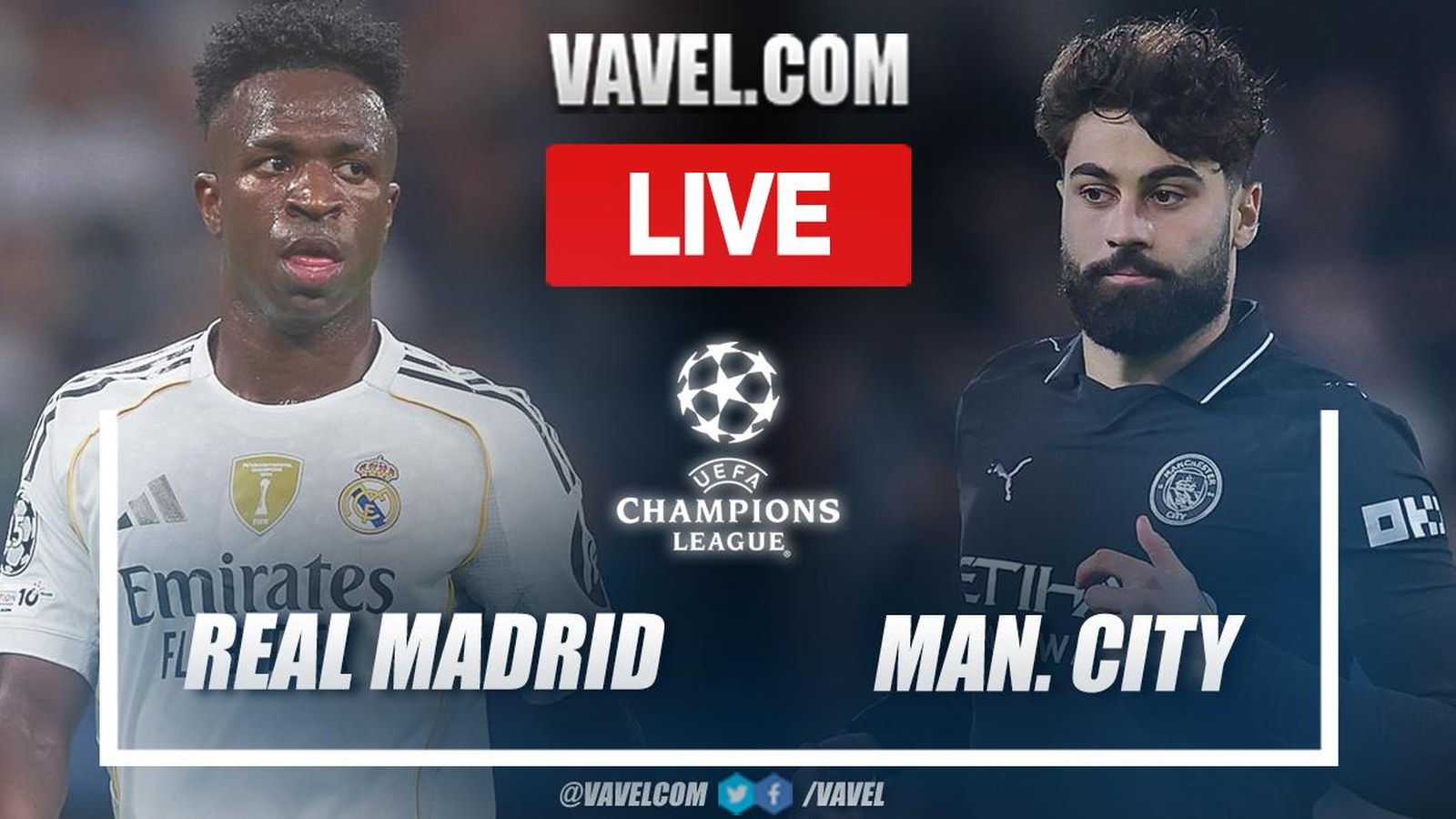
- Manchester City defeated Real Madrid 2-1 at the Santiago Bernabeu in the 2025 UEFA Champions League group stage.
- Confirmed lineups featured star players, but Real Madrid suffered key injuries affecting their performance.
- The match saw early goals and a decisive VAR-reviewed winner for Manchester City.
- The result intensified scrutiny on Real Madrid coach Xabi Alonso amid recent poor results.
- Broadcast globally, the match drew millions of viewers on major sports networks.
Manchester City Triumphs 2-1 Over Real Madrid in UEFA Champions League Thriller
On December 10, 2025, under the bright lights of Madrid’s iconic Santiago Bernabeu, Manchester City clinched a dramatic 2-1 win over Real Madrid in the UEFA Champions League group stage—a result that rippled far beyond the final whistle.
This wasn’t just another European night. For Real Madrid, it was a crossroads; for Manchester City, an opportunity. The stakes were high, and the tension palpable as both teams arrived, greeted by throngs of hopeful fans and the global football community tuning in through platforms like VAVEL, Managing Madrid, and live broadcasts on Paramount+, DAZN, and Movistar Liga de Campeones.
Confirmed Lineups and Key Absences Set the Stage
The anticipation built as lineups dropped: Real Madrid, coached by Xabi Alonso, fielded Courtois in goal, with Valverde, Rüdiger, Asencio, Carreras in defense; Tchouaméni, Ceballos, and Bellingham anchoring midfield; Rodrygo, Vinicius, and Gonzalo leading the attack. Manchester City, under Pep Guardiola, responded with Donnarumma between the posts, a defensive quartet of Nunes, Días, Gvardiol, and O’Reilly, a midfield led by Nico, Bernardo, and Reijnders, and the firepower of Foden, Haaland, and Doku up front.
Yet, both teams faced hurdles. Real Madrid’s squad depth was tested by injuries: Trent Alexander-Arnold, Éder Militao, Dean Huijsen, Dani Carvajal, Camavinga, and Ferland Mendy were all unavailable. For Xabi Alonso, whose future at the club had become a topic of speculation amid recent inconsistent results, this match was more than a fixture—it was a statement opportunity.
Match Narrative: Goals, Drama, and Tactical Chess
The match kicked off with intensity. The Santiago Bernabeu, a venue steeped in history from World Cup finals to memorable Champions League nights, buzzed with anticipation. Early exchanges saw both sides probing, but it was Manchester City who drew first blood, netting in the 28th minute. Real Madrid responded with vigor, equalizing in the 35th minute after a well-worked move involving Bellingham and Vinicius.
As halftime approached, both teams seemed evenly matched, but tactical tweaks from Guardiola and Alonso set the stage for a gripping second half. The drama peaked in the 44th minute when City broke through again, capitalizing on a defensive lapse. The goal was subject to a brief VAR review, but stood, sending the away supporters into raptures.
Yellow cards, substitutions, and nervous moments defined the closing stages. The Bernabeu faithful urged their team forward, but City’s defense held firm. By the 90+4’ mark, the referee’s whistle confirmed Manchester City’s vital 2-1 victory.
Implications: Champions League Standings and Coaching Questions
This result reverberated through the Champions League group. For Manchester City, it was a critical win after a recent loss to Bayer Leverkusen and inconsistent Premier League form. The Citizens climbed several positions, keeping hopes alive for direct knockout qualification and avoiding the playoff round.
For Real Madrid, the defeat deepened existing doubts. Having recently lost to Celta in LaLiga and struggled with injuries, the pressure mounted on Xabi Alonso. Speculation around his tenure intensified, with fans and pundits questioning whether the club’s legendary patience would hold or if change was imminent.
Historically, Madrid had the edge at home against City in the Champions League, with four wins, two draws, and only one previous loss. This result, therefore, carried extra weight—not just for the standings, but for the club’s sense of identity and continuity.
Broadcast Reach and Global Engagement
The match’s significance extended beyond the pitch. Millions watched live across continents: in Argentina, Brazil, Spain, USA, and more, through varied channels like Fox Sports, ESPN, DAZN, and Movistar. The global reach underscored the Champions League’s power to unite fans—regardless of language or geography—around moments of triumph and heartbreak.
Social media amplified the drama, with fans sharing photos of the teams’ arrivals, reactions to goals, and post-match analysis. The digital engagement mirrored the emotional investment felt in stadiums and living rooms worldwide.
Looking Ahead: What’s Next for Both Clubs?
Manchester City’s win injects momentum into their European campaign. Guardiola’s men will look to build on this result, leveraging their depth and tactical versatility. Their next group matches could solidify their path to the knockouts, but consistency remains key.
For Real Madrid, questions linger. Can Alonso rally his squad amid injury woes and growing scrutiny? Will the club’s leadership back him through adversity, or is a shake-up on the horizon? The answers will shape not only Madrid’s season but also its footballing philosophy.
One thing is certain: in the Champions League, history is written in moments like these—where legacy, ambition, and pressure collide under the floodlights.
Assessment: Manchester City’s disciplined, opportunistic performance at the Bernabeu highlights the razor-thin margins that define elite football. Real Madrid’s vulnerabilities—both tactical and psychological—were exposed, raising critical questions about leadership and resilience in times of transition. The result is a testament to the Champions League’s enduring drama and its capacity to shape careers and club destinies in a single evening. (VAVEL, Managing Madrid)