


New Command Strategy
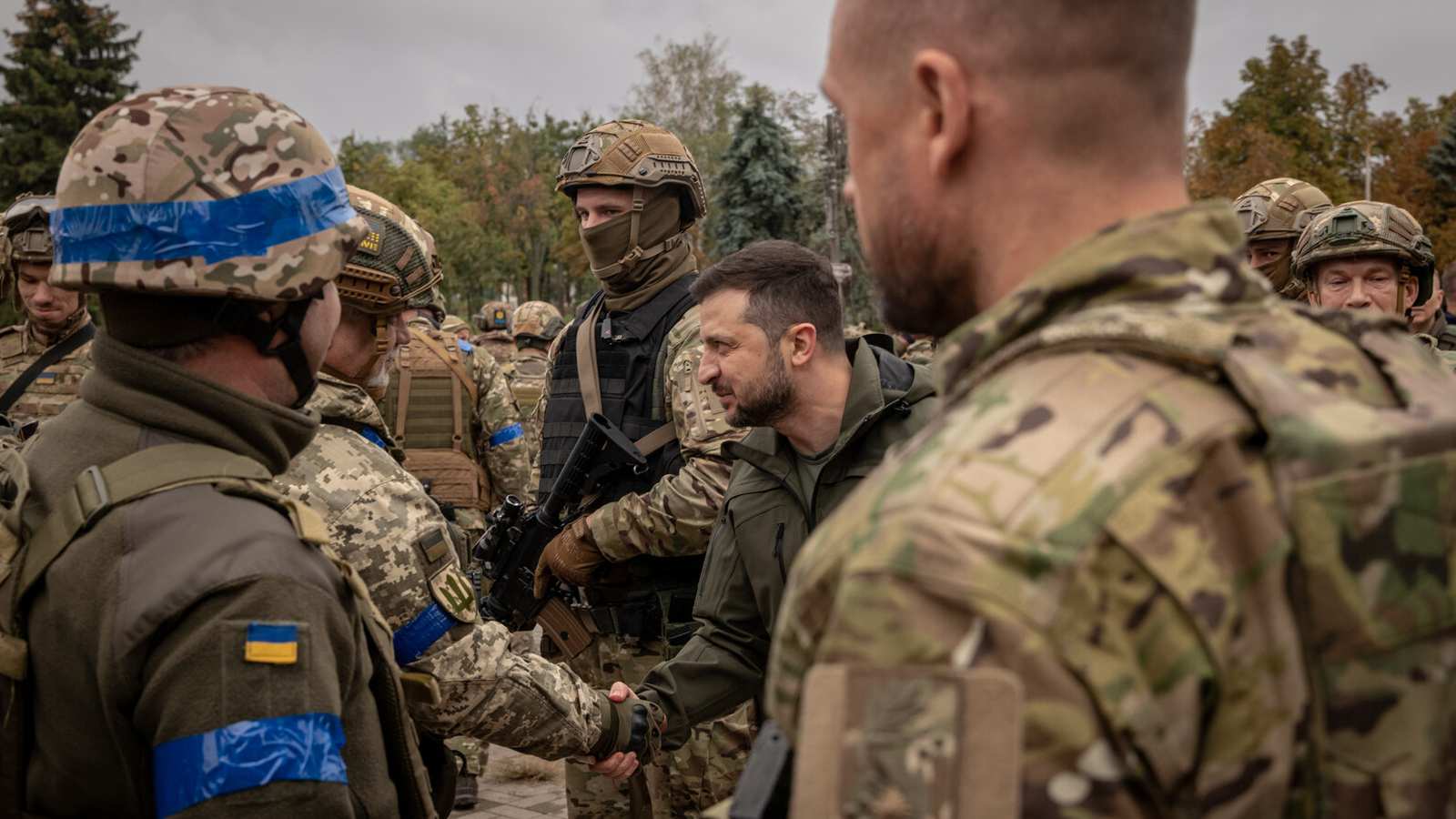
President Volodymyr Zelenskyy has appointed Colonel Mykhailo Drapatyi as the new commander of the General Staff of the Armed Forces of Ukraine, marking a significant transition in military leadership. Drapatyi, 43, replaces General Oleksandr Syrskii, who led the military through pivotal phases of the conflict, including the defense of Kyiv and the Kursk incursion. The shift reflects a growing preference within the Ukrainian military for Western-style maneuver warfare over the rigid, Soviet-era operational doctrine associated with his predecessor.
Drapatyi is widely regarded as a commander who prioritizes soldier welfare and tactical flexibility, having earned a reputation for leadership in high-stakes environments, notably during the 2014 defense of Mariupol and the 2022 defense of Kryvyi Rih. Lieutenant General Ihor Romanenko, former deputy head of the General Staff, noted that Drapatyi is trusted by the ranks for his willingness to take calculated risks rather than relying on mass-attrition tactics.
Addressing the Medical Crisis
Simultaneous to the leadership transition, the Medical Forces Command has confirmed a critical shortage of specialized medical personnel. The deficit extends to surgeons, anesthesiologists, operating room nurses, and nurse anesthetists, creating urgent challenges for frontline care. Major Stanislav Yasynskyi, a communications officer for the Medical Forces, announced that the military is now significantly expanding medical training during Basic Combined Arms Training (BCAT) to mitigate these gaps.
The training curriculum for infantry soldiers is set to increase from 30 to 40 hours. This initiative is designed to empower service members to stabilize their own injuries or those of their comrades in the critical initial minutes following an attack, as combat medics are often unable to reach frontline positions in real-time. Colonel Ihor Pryshchepa, chief surgeon at the Military Medical Clinical Treatment and Rehabilitation Center in Irpin, emphasized that despite institutional support, the uneven distribution of specialists across brigades remains a significant operational bottleneck. The command is currently evaluating the potential release of certain medical professionals from exemption status to bolster existing hospital capabilities.
Institutional Challenges
The appointment of Drapatyi occurs against a backdrop of ongoing friction between the General Staff and the Ministry of Defence. Analysts suggest that the current structure—a legacy of the Soviet system—lacks the clear separation of duties found in NATO-standard militaries, where the General Staff and the Defence Ministry operate as distinct entities reporting to civilian leadership. The recent dismissal of Defence Minister Mykhailo Fedorov, known for his technology-driven approach to drone warfare, has added a layer of political complexity that the new command must navigate while attempting to modernize operational methods.