


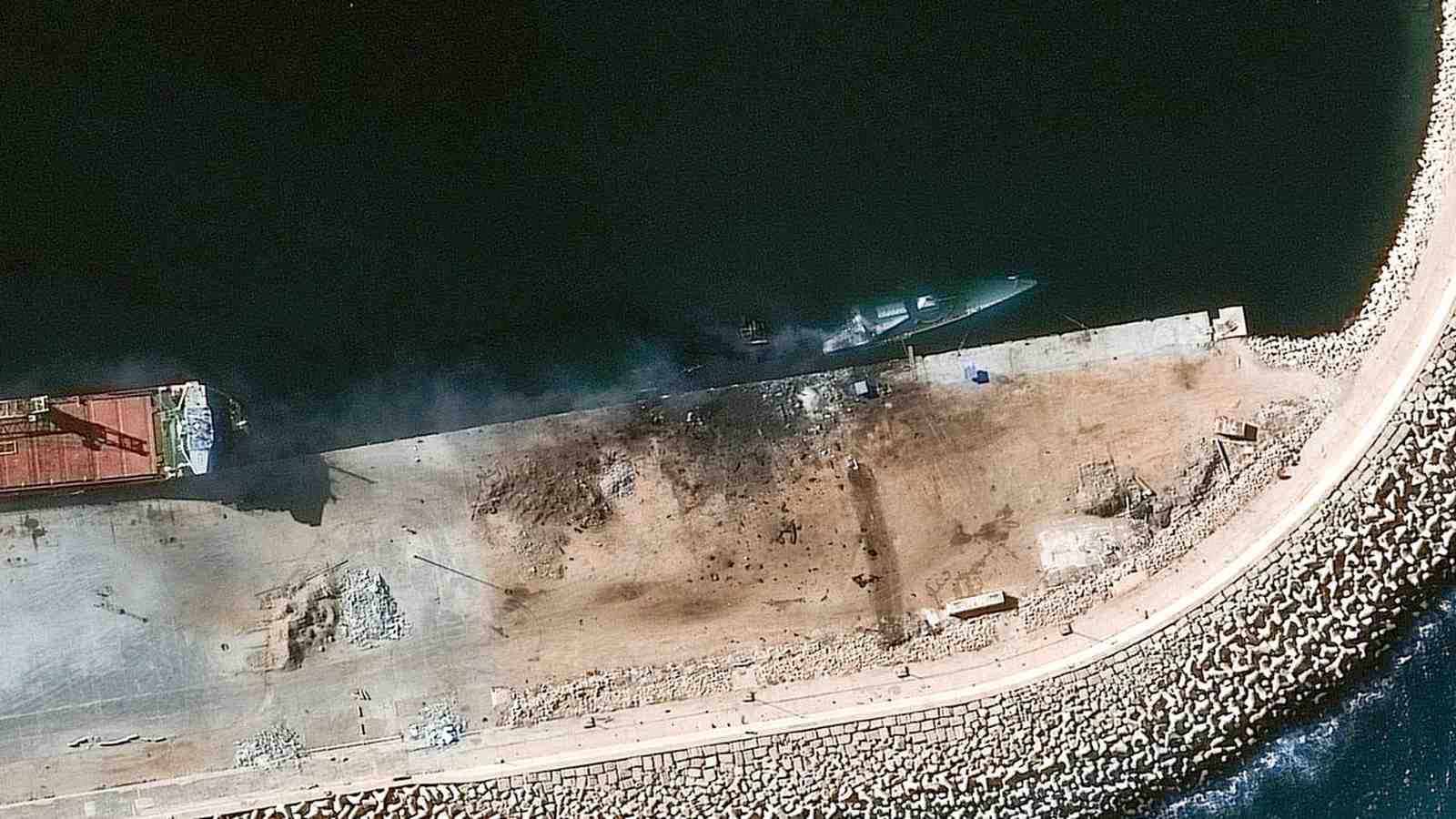
KYIV – According to Associated Press reporting, Ukrainian forces executed a long-range maritime drone strike on November 23, 2026, targeting Russian naval assets at the Benghazi Naval Base in Libya. Ukrainian President Volodymyr Zelenskyy stated that maritime drones successfully attacked and sank the Russian Navy corvette Merkury, while also striking a sanctioned Russian cargo vessel and destroying a Ka-27 military helicopter aboard the warship. The operation marks a significant strategic escalation, extending Kyiv’s operational reach approximately 2,400 kilometers from the primary front lines and bringing the ongoing war into Mediterranean waters.
The strike involved multiple sea drones that breached defenses at the eastern Libyan port. While President Zelenskyy claimed the Merkury was sunk, local Libyan officials briefed on the operation reported that at least two drones directly hit the corvette, causing severe damage and triggering secondary explosions from ammunition on board. Ambrey, a U.K.-based maritime security and risk intelligence firm, confirmed that secondary detonations likely fueled the massive fires witnessed by Benghazi residents early Sunday morning.
The incident has immediate diplomatic and logistical repercussions for Moscow’s naval operations in North Africa. The Merkury had docked at the facility to refuel and take on supplies under a cooperative arrangement between Russia and the eastern-based government in Libya. In response to the breach of its territorial waters, the eastern-based Libyan administration sent an official letter to United Nations Secretary-General António Guterres and the U.N. Security Council, demanding an international investigation into the attack and expressing deep concern over foreign powers utilizing Libyan territory as a theater of operations.
Strategic Implications in the Mediterranean
The strike on the Merkury demonstrates a broadening of asymmetric naval tactics by Kyiv. Ukrainian leadership has increasingly sought to disrupt Russian logistics, supply chains, and military assets well beyond Ukraine’s immediate borders. Beyond the Mediterranean operation, Ukrainian authorities reported simultaneous long-range drone strikes against industrial and energy infrastructure deep inside Russian territory, including a major oil refinery in the Rostov region and industrial sites in Perm.
Kremlin spokesman Dmitry Peskov declined to comment directly on the Benghazi port assault, stating that the Russian Defense Ministry would provide further details if deemed appropriate. Meanwhile, the escalation in North Africa underscores the vulnerability of Russian auxiliary and naval vessels operating outside heavily defended home waters, creating fresh security challenges for Moscow’s projection of military power across the Mediterranean basin.
Regional Fallout and International Reactions
The involvement of Libyan territory in the strike highlights complex regional dynamics. Libyan officials previously noted that Ukrainian drone specialists have operated covertly in western parts of the country under arrangements endorsed by Western partners. The latest attack in eastern Libya, controlled by the Libyan National Army, has intensified political friction between rival domestic administrations and heightened fears of wider instability.
As international investigators and the United Nations review the formal complaints lodged by Libyan authorities, the strike remains a potent illustration of how modern drone warfare can transcend conventional geographic boundaries, directly threatening strategic supply lines and naval assets thousands of miles away from traditional combat zones.