


Congressional Findings Reveal Massive Scam Exposure
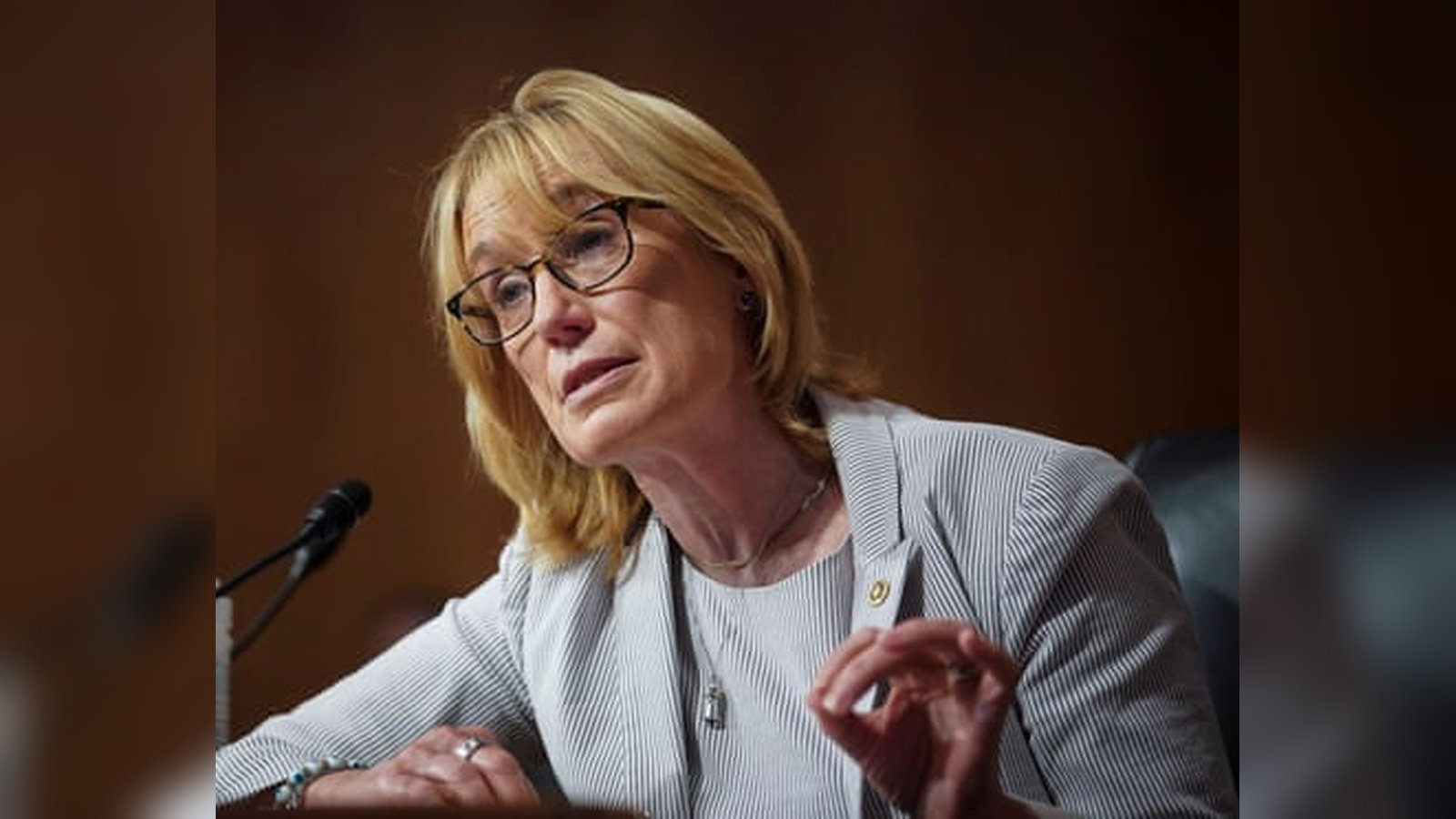
A joint economic committee investigation led by US senators Maggie Hassan and Marsha Blackburn has revealed that major dating platforms operated by Match Group struggled with outdated technology while millions of fraudulent accounts operated unchecked, according to a report published by The Guardian. The inquiry focused heavily on Tinder, Hinge, and Plenty of Fish, exposing internal documents which showed that as of the second half of 2025, Tinder had not updated most of its machine learning models in years. Consequently, the platform detected bad actors with reduced reliability and failed to keep pace with evolving criminal tactics.
Data provided during the congressional probe indicated that through the third quarter of 2025 in the United States, nearly 1.5 million scammers and fraudulent accounts on Tinder and Hinge successfully matched with at least one legitimate user. Furthermore, nearly 500,000 of those illicit accounts managed to exchange contact information with unsuspecting victims, facilitating ongoing financial exploitation.
The Human Cost of Dating-App Fraud
Romance scams have evolved into a leading form of financial fraud across the United States, inflicting at least $1.3 billion in annual losses, as noted by lawmakers when the investigation was initially launched. Victims described falling into psychological traps that stripped them of their life savings. One victim, identified as Mary, recounted her experience to The Guardian after losing approximately $100,000 in cryptocurrency to a fraudster she met on Plenty of Fish in 2024.
Mary described the ordeal as a relentless vortex driven by constant contact, emotional pressure, and repeated monetary demands for fabricated medical emergencies and work expenses. Despite blocking multiple numbers, the perpetrator repeatedly returned through alternate profiles. Mary’s experience underscores the sophisticated psychological manipulation deployed by global criminal enterprises operating across popular matchmaking platforms.
Platform Response and Regulatory Pressure
Following intense scrutiny from lawmakers, Match Group introduced several safety upgrades, including artificial intelligence models deployed in early 2025 to screen profiles and mandatory video selfie facial verification for new Tinder users across the United States. Senator Hassan criticized the corporation for the prolonged delay in implementing these vital upgrades, arguing that proactive defense measures should have been maintained continuously.
In response to the congressional findings, Yoel Roth, Match Group’s senior vice-president of trust and safety, defended the company’s record in a statement published by The Guardian. Roth asserted that the report mischaracterized the historical scale of the company’s investments and maintained that extensive safety work, including facial verification technology, was already underway before the committee formally intervened.
Broader Legislative Action and Future Security Standards
The congressional inquiry extends beyond corporate self-regulation, prompting lawmakers to pursue systemic legislative solutions to tackle the broader epidemic of financial fraud. In June, Senator Hassan introduced companion legislation alongside Republican Senator Rick Scott aimed at establishing a centralized reporting portal. This proposed federal mechanism is designed to provide American consumers with a streamlined channel to report fraudulent schemes directly and secure coordinated assistance from law enforcement agencies and regulatory bodies.
Lawmakers emphasized that as international criminal syndicates increasingly adopt advanced technologies such as artificial intelligence to supercharge their operations, private technology firms must maintain rigorous, proactive defense postures. The investigation serves as a stark warning to the entire digital matchmaking industry that user safety protocols must evolve continuously to match the sophistication of modern online fraud.