


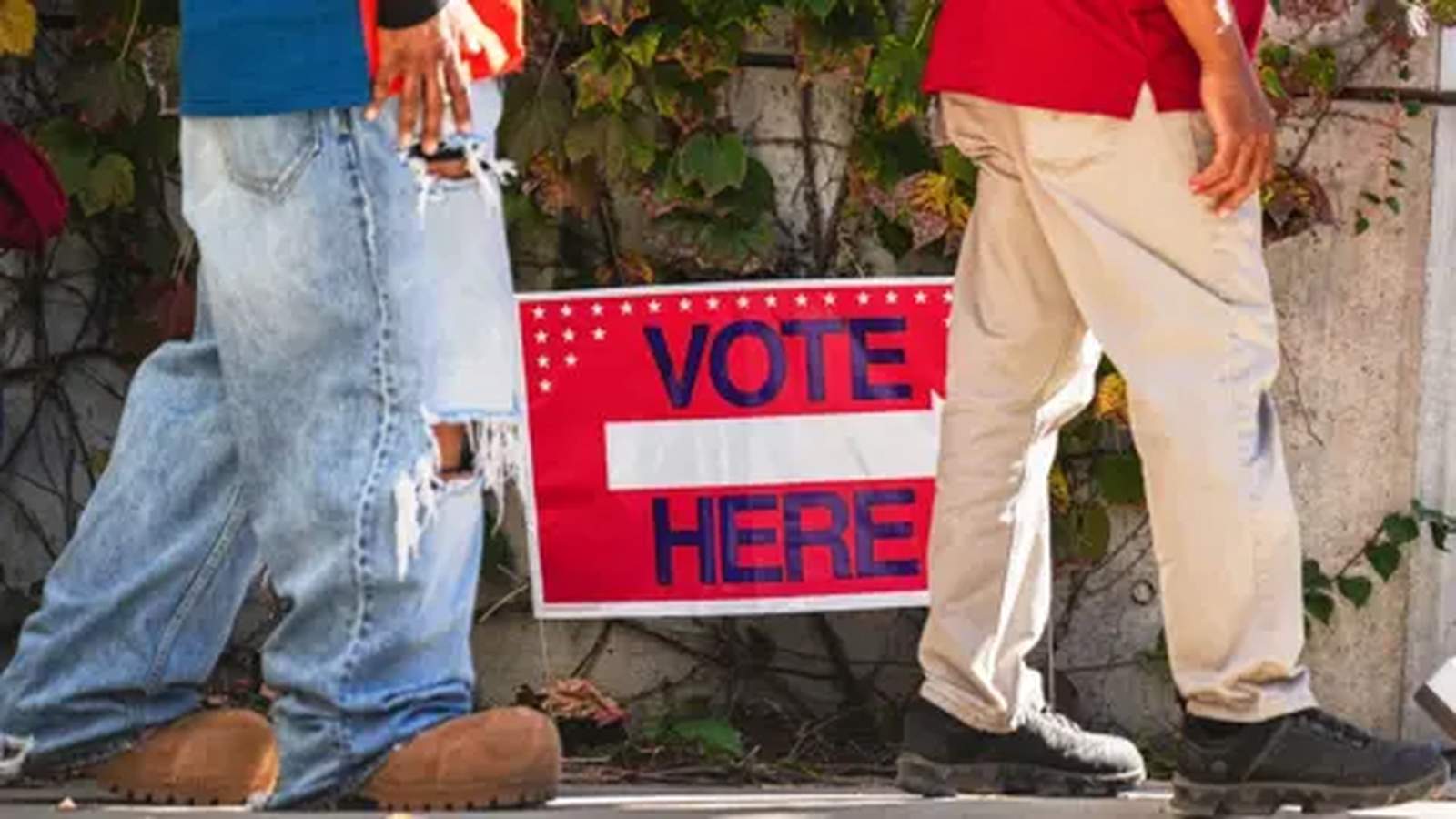
As the United States prepares for the congressional midterm elections on November 3, 2026, political analysts and election observers are mapping out potential paths for how the legislative balance of power might shift. Reporting published by the BBC outlines three core scenarios that could emerge as voters cast their ballots and the counting process begins across different states.
Midterm elections historically serve as a referendum on the sitting administration, often leading to shifts in congressional majorities that constrain or facilitate a president’s legislative agenda. Understanding these potential outcomes helps voters and institutional stakeholders anticipate the governance challenges ahead.
Evaluating Legislative Control and Trajectories
The first scenario involves a decisive shift where the opposition party secures working majorities in both chambers of Congress, which would significantly alter federal policymaking and executive oversight. The second scenario points toward a split legislature, where control of the House of Representatives and the Senate remains divided between the two major parties, forcing legislative compromise or gridlock. The third scenario considers the possibility of status quo outcomes or unexpected narrow margins that could delay final determinations due to tight races and prolonged state-level tabulation processes.
Electoral experts note that early returns on election night can frequently be misleading because of differing state mail-in ballot processing rules and demographic variations in voting speeds. Consequently, institutional stakeholders and the public must monitor certified updates rather than relying solely on preliminary projections.