


Retaliatory Strikes Amidst Ceasefire Tensions
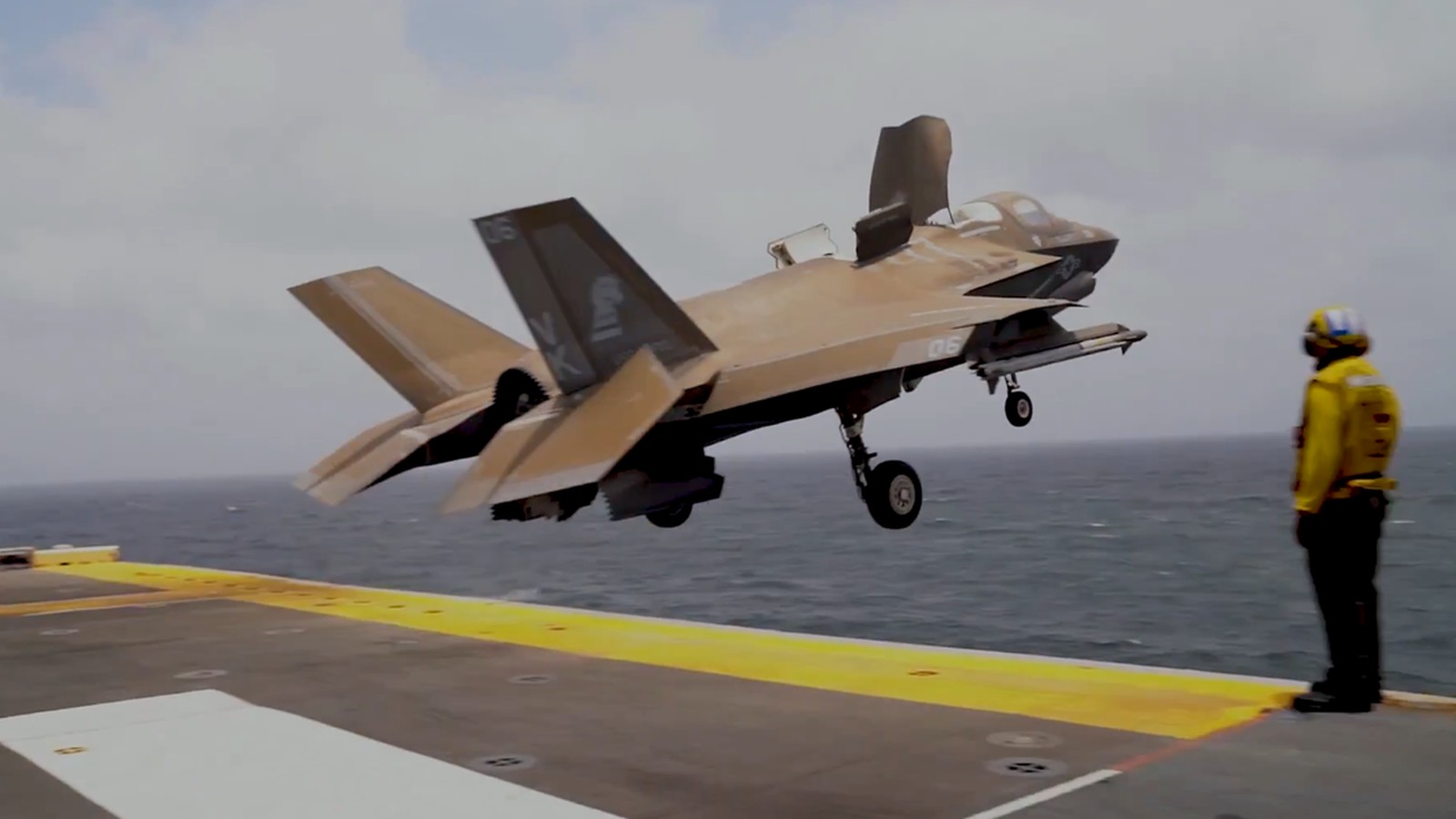
The United States military launched retaliatory strikes against Iranian missile and drone storage facilities and coastal radar sites on Friday. According to U.S. Central Command, the operation was a ‘powerful response’ to a drone strike carried out by Iranian forces against a commercial cargo vessel in the Strait of Hormuz on Thursday.
President Donald Trump characterized the Iranian attack as a ‘foolish violation’ of the ongoing ceasefire agreement. ‘We knocked down three of them. One of them, I guess—we didn’t miss it. Nobody saw it coming,’ Trump stated during a policy conference in Washington, confirming that one drone successfully struck a Singapore-flagged cargo ship. While the vessel sustained bridge damage, it was able to continue its transit.
Analysis: The Fragility of the Memorandum of Understanding
The incident highlights the deepening instability surrounding the U.S.-Iran memorandum of understanding (MOU) signed last week. Despite high-level efforts to manage the conflict, both Tehran and Washington remain deadlocked over fundamental administrative issues, most notably the control of the Strait of Hormuz. Iran continues to reject temporary shipping lanes proposed by the U.N. and Oman, insisting that all vessels transit through a corridor hugging the Iranian coastline, which Tehran deems the only ‘legal’ route.
The strategic stakes are compounded by broader regional dynamics. While Secretary of State Marco Rubio announced a new framework for peace between Israel and Lebanon on Friday, the agreement notably excludes Hezbollah. The Iran-backed group has dismissed the deal as an ‘Israeli agenda,’ signaling that the underlying geopolitical conflict remains largely unaddressed. Hezbollah’s leadership has explicitly rejected calls to disarm, further complicating the prospects for a lasting withdrawal of Israeli forces from southern Lebanon.
Economic fallout from the maritime instability was immediate, with global markets reacting to the renewed volatility. While oil prices fell by approximately 4% on Friday as shipping traffic resumed, the International Maritime Organization (IMO) has paused its evacuation efforts for stranded vessels, citing safety concerns. As both the U.S. and Iran leverage humanitarian aid—specifically the potential purchase of U.S. agricultural goods with unfrozen Iranian funds—as a diplomatic tool, the lack of consensus on military and maritime security suggests that the current ‘rickety’ ceasefire remains subject to sudden collapse.