


The catastrophic floods that ravaged Williamson County and other parts of Central Texas during the first week of July 2025 have left behind a trail of destruction. With more than 120 lives lost, including children, and thousands of homes damaged or destroyed, the community faces an uphill battle to recover. This tragedy has also sparked significant conversations about disaster preparedness and the availability of federal aid for affected communities.
The Scale of the Disaster
On the morning of July 4, 2025, the Guadalupe River surged over its banks, inundating towns and neighborhoods across the Texas Hill Country. In Kerr County alone, 96 lives were lost, including 36 children, as reported by The Daily Comet. Other counties, including Williamson, Travis, and Burnet, also faced severe damage, with at least 16 fatalities and dozens still missing. The National Weather Service reported that some areas received as much as 15 inches of rain in a single day, causing the river to rise more than 26 feet in just 45 minutes.
The flood’s rapid onset left little time for warnings, and many residents were caught off guard. This has led to discussions about the need for improved alarm systems. President Donald Trump, who visited Kerr County on July 11, acknowledged these challenges and expressed support for better flood warning mechanisms during an interview with NBC’s Meet the Press.
Community Response and Immediate Relief
In the aftermath of the floods, local communities and organizations have stepped up to provide immediate relief. Churches, nonprofits, and individual volunteers have been instrumental in offering temporary housing, food, and supplies. For instance, the Austin Disaster Relief Network has been helping residents clear debris, clean homes, and find temporary accommodations. According to The Statesman, volunteers like Marc Corinth and local businesses have played a crucial role in rebuilding efforts, often using their own time and resources.
Nonprofits such as World Central Kitchen and the Red Cross have also been active in the region. World Central Kitchen provided meals to stranded residents, while the Red Cross opened shelters and reunification centers. Additionally, the Salvation Army in Kerrville has been coordinating donations of nonperishable goods, personal hygiene items, and other essentials.
Challenges in Federal Aid and Insurance
One of the most pressing concerns for affected residents is the availability of federal aid. Governor Greg Abbott formally requested FEMA assistance for several counties, including Williamson, on July 5. However, as of July 11, some counties were still working to meet the damage thresholds required for federal aid. Williamson County, for instance, needs to demonstrate at least $2.8 million in damages to qualify, according to Connie Odom, the county’s spokesperson.
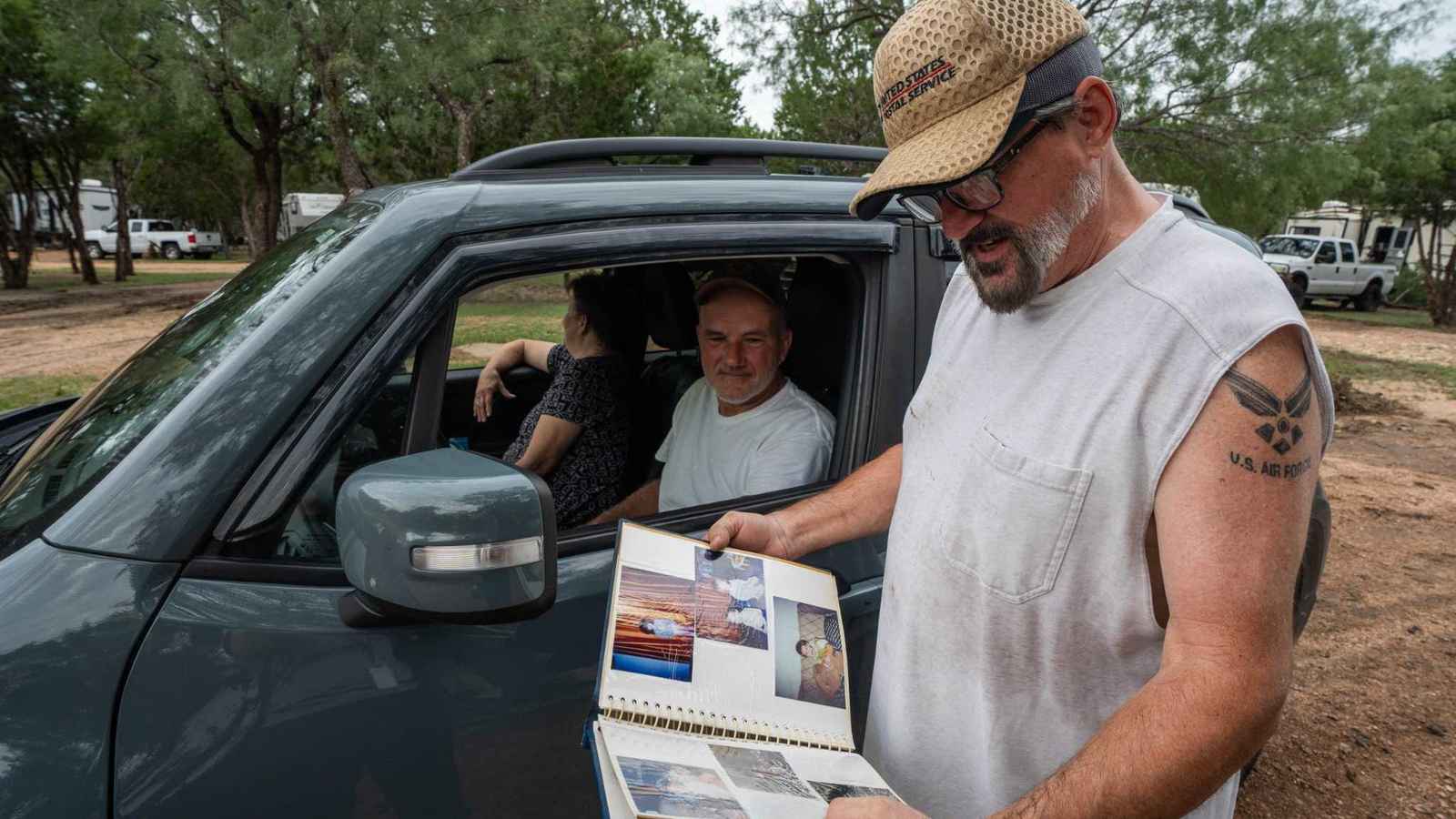
For uninsured residents, the situation is particularly dire. Many of the flood survivors in Williamson and surrounding counties lived in trailers that were either uninsured or underinsured. Kendall Myers, a resident of Cedar Stays RV Park in Burnet County, lost his home and vehicle in the flood. Speaking to The Statesman, he expressed frustration over the slow pace of federal assistance, stating, “That’s why I’m a little pissed off about FEMA not helping us right now.”
Community organizations like the Ark of Highland Lakes have been trying to bridge the gap by helping families find temporary housing and other resources. However, the scale of the disaster has overwhelmed local capacities, making federal aid even more critical.
Moving Forward: Lessons and Hope
As Central Texas begins the long road to recovery, the disaster has highlighted the need for better disaster preparedness and community resilience. Governor Abbott has indicated that discussions on flood warning systems and emergency communication will be a priority in upcoming legislative sessions.
Despite the challenges, the spirit of community solidarity has been a beacon of hope. From volunteers clearing debris to neighbors offering food and shelter, the people of Williamson County and beyond have demonstrated remarkable resilience. As one volunteer, Wade Smith, told The Statesman, “If you’re here, you’re family. We’ve got your back.”
The floods have tested the community’s strength, but they have also shown the power of unity in the face of adversity. As recovery efforts continue, Williamson County and its neighbors remain determined to rebuild and prepare for a more resilient future.