


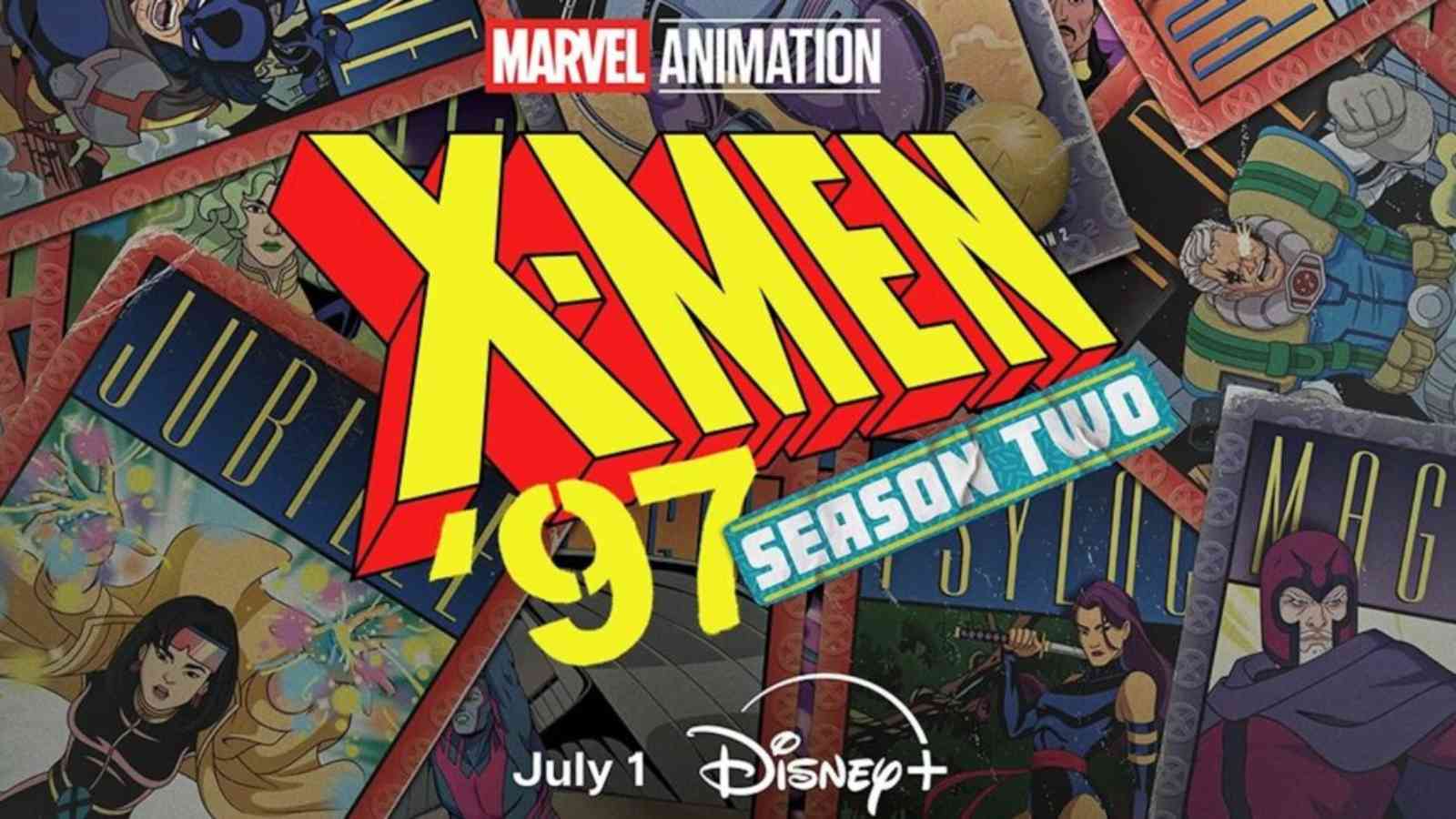
A New Chapter for Mutantkind
Marvel Animation’s X-Men ’97 premiered its second season on July 1, 2026, on Disney+, thrusting the iconic mutant team into a fractured timeline. The new episodes follow the X-Men scattered across different eras, facing the existential threat of Apocalypse (En Sabah Nur). With a critical 100% approval rating from early reviews, the season marks a significant tonal shift for the franchise, emphasizing pacing and narrative discipline.
The Blueprint and the Execution
The success of the sophomore season has sparked debate regarding its creative origins. Beau DeMayo, the original showrunner who departed in March 2024, is credited as creator, executive producer, and writer. Marvel Animation’s Brad Winderbaum has confirmed that the central narrative architecture—specifically the Apocalypse arc and the time-travel premise—was part of DeMayo’s original pitch.
However, the final product reflects extensive work by a new creative team. Following DeMayo’s departure, head writer Matthew Chauncey and supervising producer Jake Castorena led the production, including essential refinements to dialogue, tone, and editorial pacing. By DeMayo’s own admission, he was not involved in the post-production, cast recordings, or final rewrites, which have become the defining elements of the season’s critical reception.
Analysis: Tonal Discipline and Comic Fidelity
The improvement in Season 2 is largely attributed to the execution of the established blueprint. Critics have noted that the current season moves away from the more experimental, identity-forward thematic focus of Season 1, opting instead for a narrative style that closely mirrors the comic book source material. This shift is particularly evident in the treatment of the “Age of Apocalypse” storyline, which has been integrated with a level of tonal consistency that was often debated during the show’s initial run.
The production team has leaned heavily into classic comic arcs, with Marvel releasing an official reading guide that highlights the influence of 1990s runs by writers like Grant Morrison. By integrating these foundational texts, the show has achieved a balance between nostalgia and modern animation standards. The collaborative nature of this season—where a finished script architecture meets a refined directorial vision—serves as a case study for how Marvel Animation is attempting to stabilize its brand identity in a competitive streaming landscape.
While fans continue to speculate on the extent of the changes made to the original scripts, the current consensus suggests that Season 2 succeeds by tempering the show’s previous stylistic extremes with a more focused approach to character arcs and stakes. New episodes continue to air weekly through August 12, 2026.