


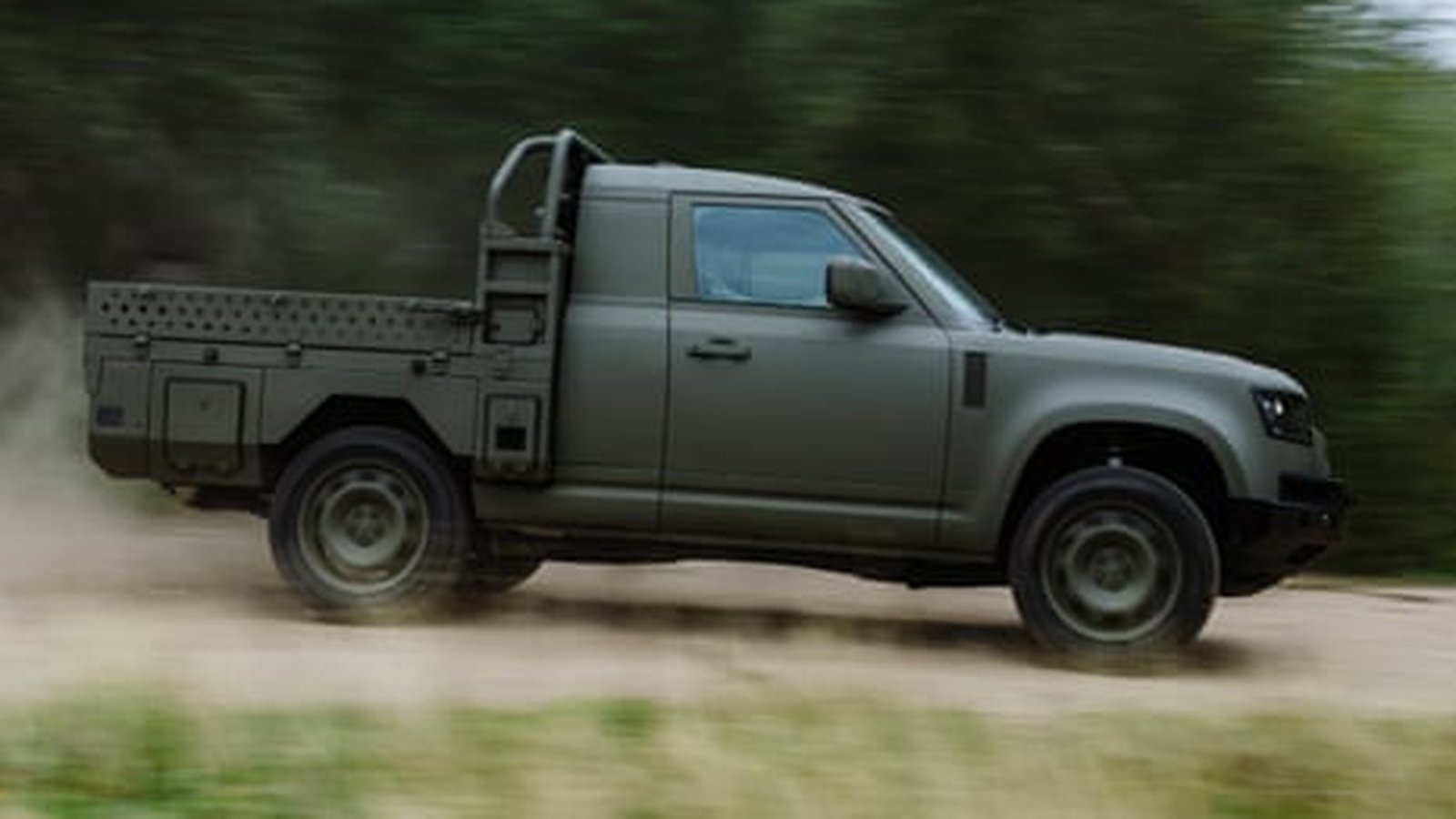
Jaguar Land Rover (JLR) has entered negotiations with NATO member states to supply its newly redesigned Defender military vehicle, aiming to capitalize on a significant surge in European defense procurement. The UK-based carmaker, owned by India’s Tata Motors, is positioning its new military division to capture international government contracts as civilian automotive markets face mounting economic pressures.
The Bidding War for Light Mobility Fleet
As reported by The Guardian, JLR has established a dedicated Defender defense division to secure partnerships for transporting personnel and equipment globally. A primary immediate target is the UK Ministry of Defence’s (MoD) £900 million light mobility vehicle tender. This lucrative contract seeks to replace an aging fleet of British military Land Rovers that have been out of production since 2016.
The competition for the UK contract is intense. JLR is bidding against major global competitors, including US-based General Motors and the UK’s Ineos Automotive, which is pitching a military adaptation of its civilian Grenadier 4×4. To strengthen its position, JLR recently unveiled three new variants of the Defender Wolf Series II, designed and engineered in the UK with engines manufactured in Wolverhampton.
Patrick McGillycuddy, the managing director of the Defender brand, emphasized that the Wolf Series II features a lightweight aluminium monocoque construction with a stiffer body structure. According to McGillycuddy, this design allows the vehicles to be adapted to a wide range of operational military roles, serving as a modern successor to the traditional Land Rovers that have supported the British armed forces for over seven decades.
Restructuring Amid Industrial Pressures
JLR’s pivot toward defense contracts comes at a critical financial juncture. The manufacturer is currently executing a sweeping cost-reduction program aimed at saving £1.7 billion, which includes the reduction of 4,000 jobs globally. Company executives insisted that the defense push, initially reported by the Financial Times, is unrelated to the job cuts. Instead, it represents a strategic diversification as the company navigates high production costs, international tariff uncertainties, and the recovery phase from a major cyber-attack last year.
Beyond European military contracts, JLR is reportedly eyeing the lucrative $80 billion US pickup truck market. According to a report by The Sunday Times, the company is exploring a joint venture with Stellantis to manufacture a local pickup version of the Defender in the United States, though JLR officials have declined to comment on these plans.
A Broader Automotive Pivot to Defense
The strategic shift at JLR is part of a wider trend among European automotive manufacturers repurposing industrial capacity to meet rising defense demands. Confronted with a complex transition to electric vehicles and aggressive competition from Chinese manufacturers, several major brands are diversifying into military production.
Recently, Volkswagen reached an agreement to sell its Osnabrück manufacturing plant to the investment firm Aurelius Capital and the state of Lower Saxony. The facility is slated to transition from passenger car assembly to the production of heavy-duty transport vehicles designed to carry advanced air defense systems, including components for Germany and broader European defense initiatives. Similarly, Renault has begun repurposing portions of its Le Mans chassis plant in western France to manufacture up to 600 military drones per month for the French Ministry of Defence.