


Strategic Talent Retention
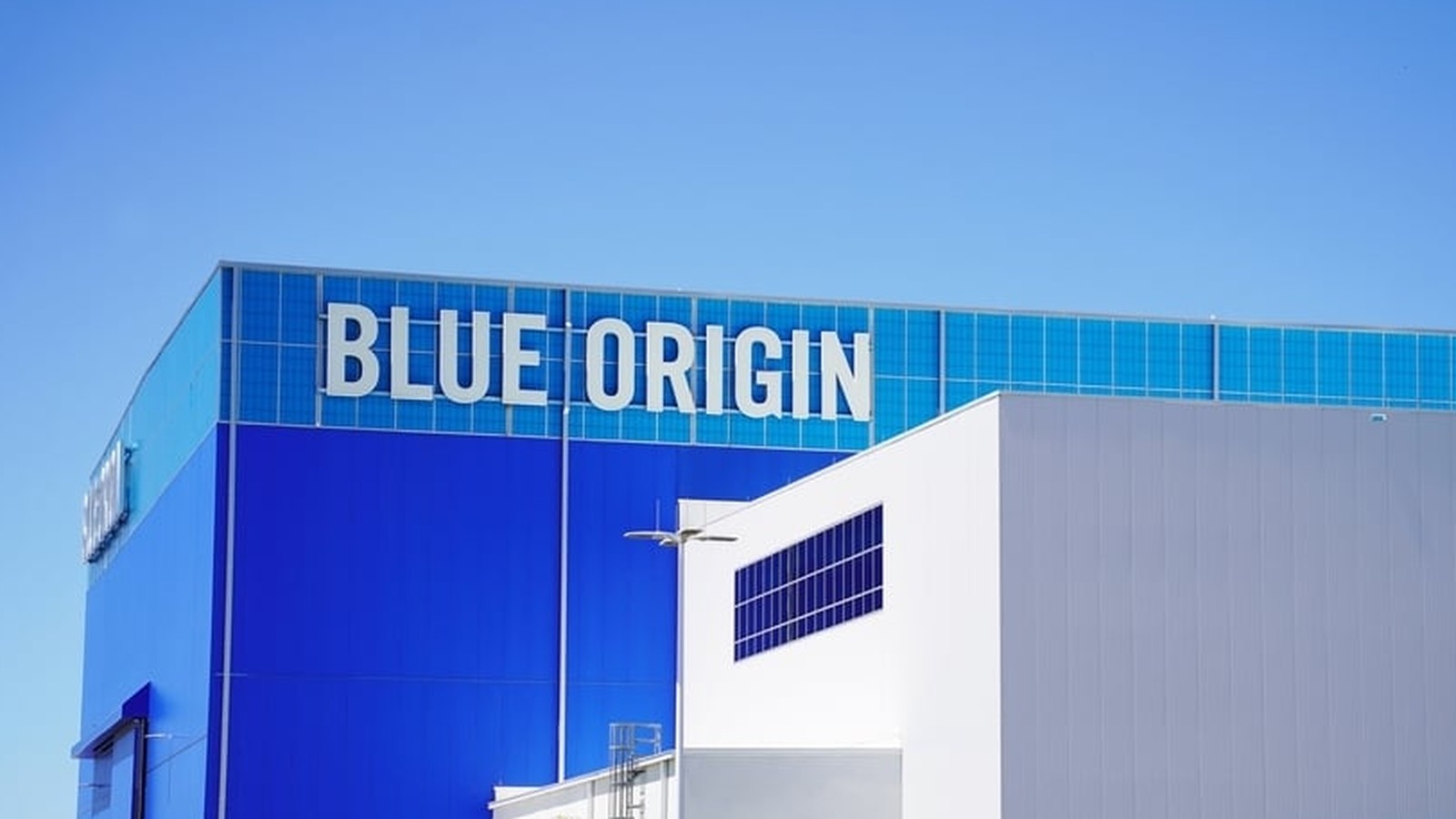
Blue Origin, the aerospace company founded by Jeff Bezos, has introduced a controversial new equity scheme designed to curb the exodus of talent to direct competitors, most notably Elon Musk’s SpaceX. According to reports from Business Insider and Fortune, the updated policy includes a non-compete clause that requires employees to forfeit both vested and unvested stock options if they join a rival firm within 18 months of departure.
Industry analysts have described these measures as “golden handcuffs.” Financial advisor Evan Mills noted that the policy forces employees to choose between retaining their long-term equity gains and the freedom to pursue career opportunities elsewhere. The timing of this policy shift follows significant financial milestones at SpaceX, which recently completed a major IPO, creating substantial wealth for thousands of its employees.
Legal and Operational Stakes
While the policy aims to protect Blue Origin’s intellectual property and human capital, it has drawn scrutiny from legal experts. Edward Hones, an employment attorney based in Seattle, argued that the forfeiture provision acts as a functional non-compete agreement. While such clauses are unenforceable in states with strict labor protections like California and Washington, the policy remains a significant factor for the company’s workforce in Florida, Texas, and Alabama.
The equity structure itself has also been a point of contention. Unlike publicly traded entities, Blue Origin employees do not hold actual shares but rather options with a fixed price of $9.50. These options are contingent on a liquidity event—such as an IPO or company sale—and are set to expire if such an event does not occur within a decade of grant.
Broader Industry Context
This move comes as Jeff Bezos increases investment in his aerospace ventures, with reports indicating a new funding round aimed at raising $10 billion at a $130 billion valuation. Beyond aerospace, Bezos continues to challenge Musk’s influence across multiple sectors, including autonomous vehicle technology through Amazon-owned Zoox. As the space race intensifies, the battle for specialized engineering talent is increasingly shaping the corporate policies of the industry’s largest players.