


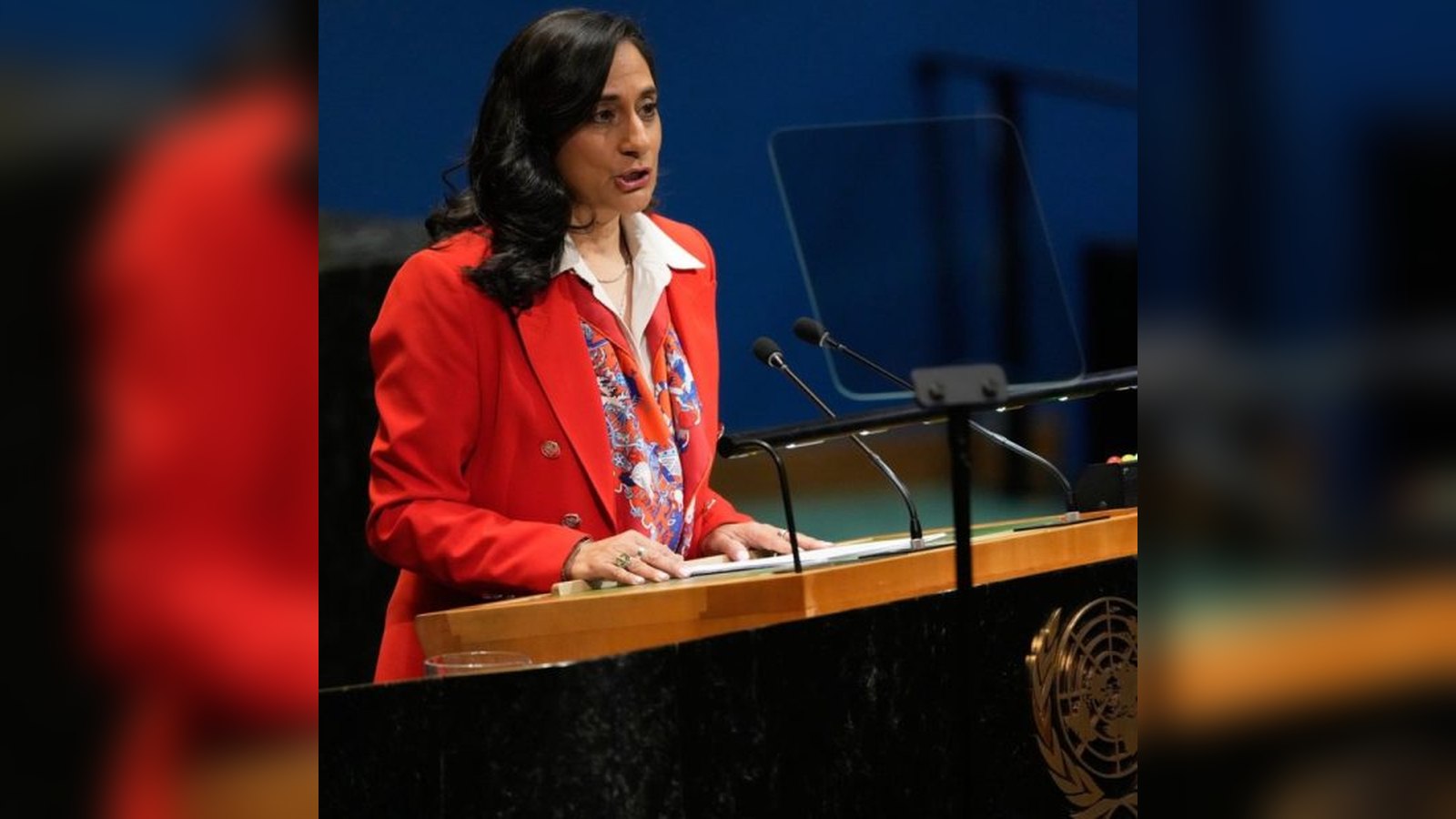
Costa Rican immigration authorities denied entry to UN Special Rapporteur Francesca Albanese on Thursday, November 26, 2026, at Juan Santamaría International Airport, citing an international alert for links to terrorist acts and a threat to national security. According to an announcement published by UN Watch, Albanese had arrived in the country to receive an honorary doctorate from the University of Costa Rica.
The Director of Migration stated that the refusal was issued under the General Law of Migration, noting that Albanese is the subject of an international alert regarding ties to terrorist acts and represents a significant profile against national security. Following the entry ban, opposition lawmakers filed a habeas corpus petition currently pending before the Constitutional Chamber.
UN Watch Commends Decision
Geneva-based non-governmental organization UN Watch commended the Government of Costa Rica for the decision, confirming it communicated directly with Costa Rican authorities to present documented evidence regarding Albanese’s public statements. UN Watch executive director Hillel Neuer stated that the government acted where the broader United Nations system has not, praising the measure taken by President Laura Fernández and her administration.
According to documentation compiled by UN Watch, the evidence presented to immigration authorities includes statements where Albanese justified violence, expressed support for the Iranian regime, and had her reports and statements praised or amplified by groups such as Hamas, Hezbollah, and Iran’s Revolutionary Guards.
Stakes and Legal Proceedings
The entry refusal has triggered domestic legal scrutiny in Costa Rica, where the Constitutional Chamber is reviewing the habeas corpus petition filed by opposition lawmakers. The diplomatic and institutional ramifications extend internationally, given Albanese’s role as a UN special rapporteur and prior calls for her resignation by several governments, including France, Germany, Argentina, the Czech Republic, and Italy, alongside U.S. sanctions.
In December 2025, Albanese publicly urged Costa Rica to halt the ratification of its free trade agreement with Israel, alleging complicity in genocide, a move that the Costa Rican government rejected as interference in internal affairs. The unfolding legal and diplomatic situation now places the Constitutional Chamber at the center of a dispute over sovereign immigration authority and international mandates.