


New Fee Structure
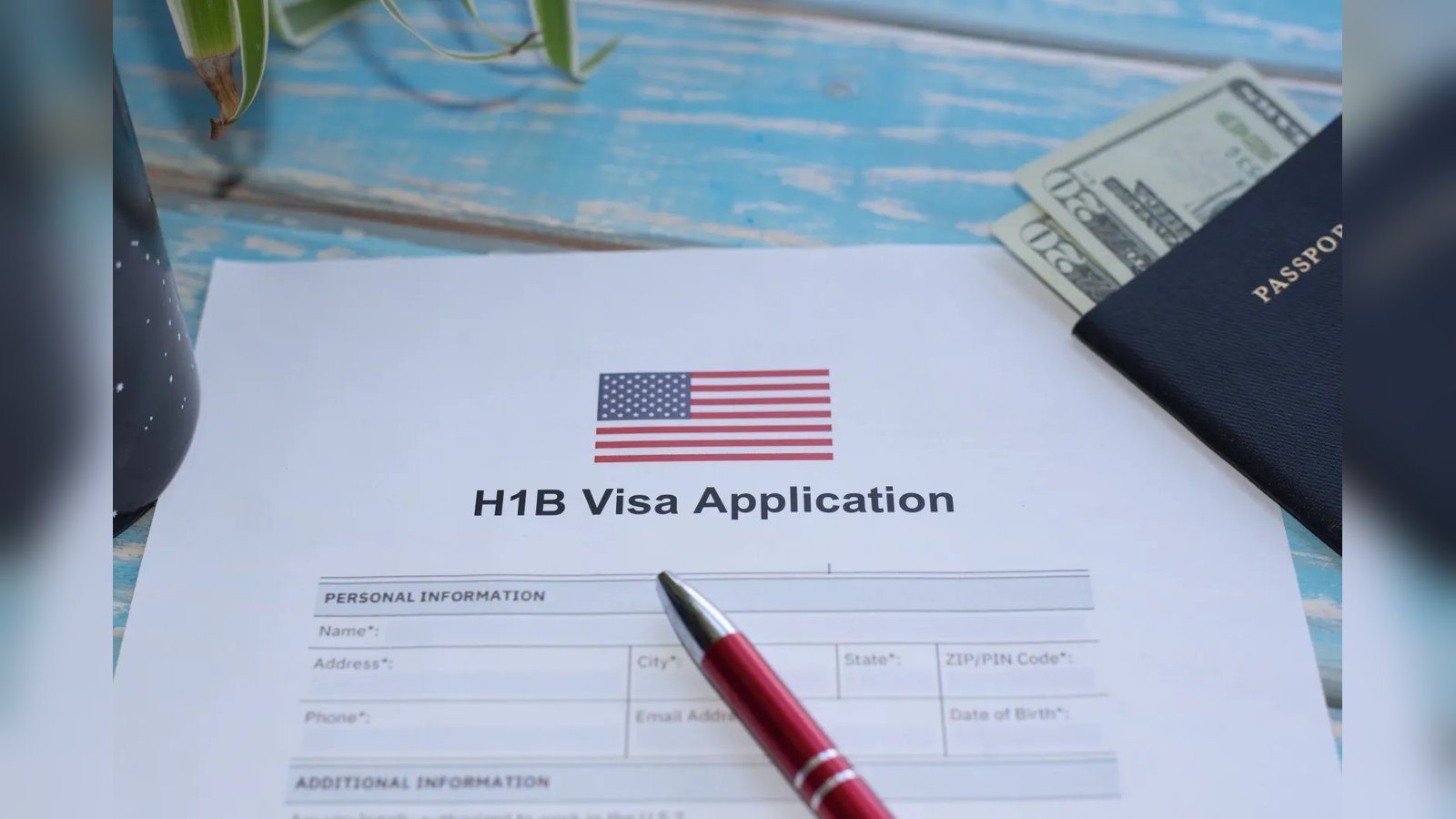
The U.S. Department of Homeland Security (DHS) has officially proposed a new $103,265 filing fee for H-1B visa petitions subject to the annual 85,000-visa cap. The notice, published in the Federal Register, signals a shift toward using specific visa-category revenue to finance a broad spectrum of federal immigration functions. The proposal is open for public comment until September 24, 2026.
According to former DHS official Adam Klein, the proposed figure was not derived from the administrative cost of processing individual H-1B petitions. Instead, the department calculated the total cost of broader immigration operations—including the Department of Homeland Security, U.S. Immigration and Customs Enforcement (ICE), U.S. Customs and Border Protection (CBP), the Department of Justice, and the Labor Department—and divided that $8.8 billion aggregate by the annual cap of 85,000 visas.
Stakes for Industry
The proposal has drawn sharp criticism from business groups and higher education advocates. Zuzana C. Wootson of the Presidents’ Alliance noted that the fee could severely damage the U.S. education-to-workforce pipeline. By making it prohibitively expensive for companies to hire international graduates, opponents argue the policy undermines the retention of global talent in critical fields such as software engineering and advanced technology.
The fee applies specifically to cap-subject petitions, meaning universities, non-profit research institutions, and government research entities remain exempt. However, for private-sector employers, the financial burden is substantial. If implemented alongside existing executive-ordered fees—currently under litigation—employers could face costs exceeding $200,000 per worker, excluding standard processing fees.
Legal and Regulatory Context
The proposed $103,265 charge is distinct from a previous $100,000 fee established by a 2025 executive order, which was blocked by federal courts in 2026. While the government is appealing that ruling, the new proposal relies on different regulatory authority. DHS has indicated that if both requirements are ultimately upheld, they could be applied cumulatively.
Revenue generated from the new fee would be distributed across multiple agencies: approximately $3 billion for U.S. Citizenship and Immigration Services (USCIS), $2.96 billion for the Executive Office for Immigration Review, $1.21 billion for the Labor Department, and $1.05 billion for ICE, among other allocations. The proposal remains a draft, subject to the standard federal regulatory review process before it can be finalized.