


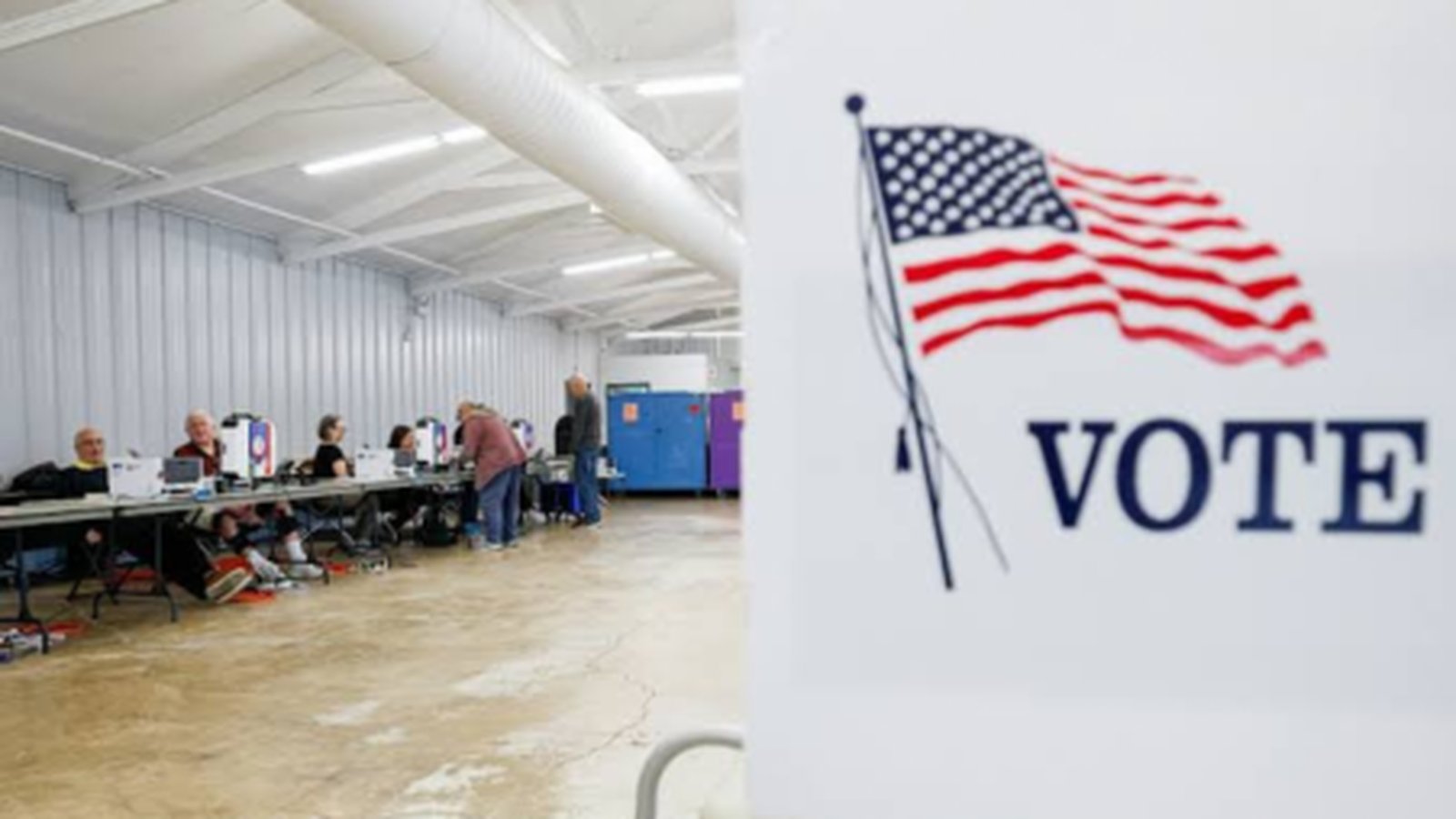
Unprecedented Federal Intervention Ahead of Midterms
WASHINGTON (Azat TV) – On Monday, November 2, 2026, the United States Department of Justice broke with decades of established institutional tradition by directly intervening in state-run administration for the November 3 midterm elections, according to reporting published by The Legal File on LinkedIn. Historically, federal law enforcement maintained a strict policy of political neutrality ahead of elections to avoid any appearance of partisanship. Under Attorney General Todd Blanche, however, the department has challenged election procedures and filed lawsuits in key states including California and Alaska.
The pre-election maneuvers arrive as millions of Americans cast ballots in highly competitive congressional races that will determine control of both the Senate and the House of Representatives. While federal judges have rejected the department’s lawsuits in both states, the aggressive legal posture has intensified national debate over executive branch involvement in election administration.
Legal Battles in California and Alaska
In California, the Department of Justice sought to set aside mail-in ballots from approximately 20,000 voters alleged by federal authorities to be non-U.S. citizens ineligible to cast ballots, and demanded records in a related criminal probe. State officials countered that California has already implemented robust measures to prevent voting by non-citizens and argued that federal prosecutors lack the legal authority to block validly cast votes.
In Alaska, the department intensified a criminal investigation into whether a Senate candidate sharing the exact name of Republican incumbent Senator Dan Sullivan was recruited to confuse voters. Federal prosecutors also sought a court order to block certification if Sullivan narrowly loses the ranked-choice contest. A federal judge dismissed that specific lawsuit on November 1, though the Justice Department has formally appealed the decision.
Constitutional Stakes and Congressional Authority
As state election officials prepare to process results, legal experts note that any protracted disputes over vote counts or certification will ultimately run up against constitutional guardrails. While federal elections are administered and certified at the state level, the U.S. Constitution explicitly designates each chamber of Congress as “the judge of the elections, returns and qualifications of its own members.” This constitutional provision gives federal lawmakers the final say when a House or Senate result is contested.
Election litigation has expanded significantly over the past two decades following the 2000 U.S. Supreme Court ruling. Research compiled by UCLA law professor Rick Hasen documented a record 756 election-related legal cases during the 2023–2024 election cycle, representing a 14.3% increase from the 2019–2020 cycle and roughly triple the volume recorded prior to 2000. Critics of the current Justice Department actions argue that pre-election lawsuits and investigative measures risk amplifying public distrust and laying groundwork for broader post-election challenges.
Defense and Official Justification
U.S. Attorney General Todd Blanche has defended the department’s actions as lawful measures necessary to protect the integrity of the vote and ensure that election laws are strictly enforced. Administration officials maintain that investigating potential irregularities and addressing voter eligibility before election outcomes are finalized is a core responsibility of federal law enforcement, rejecting claims of partisan weaponization.