


The Industrialization Gap
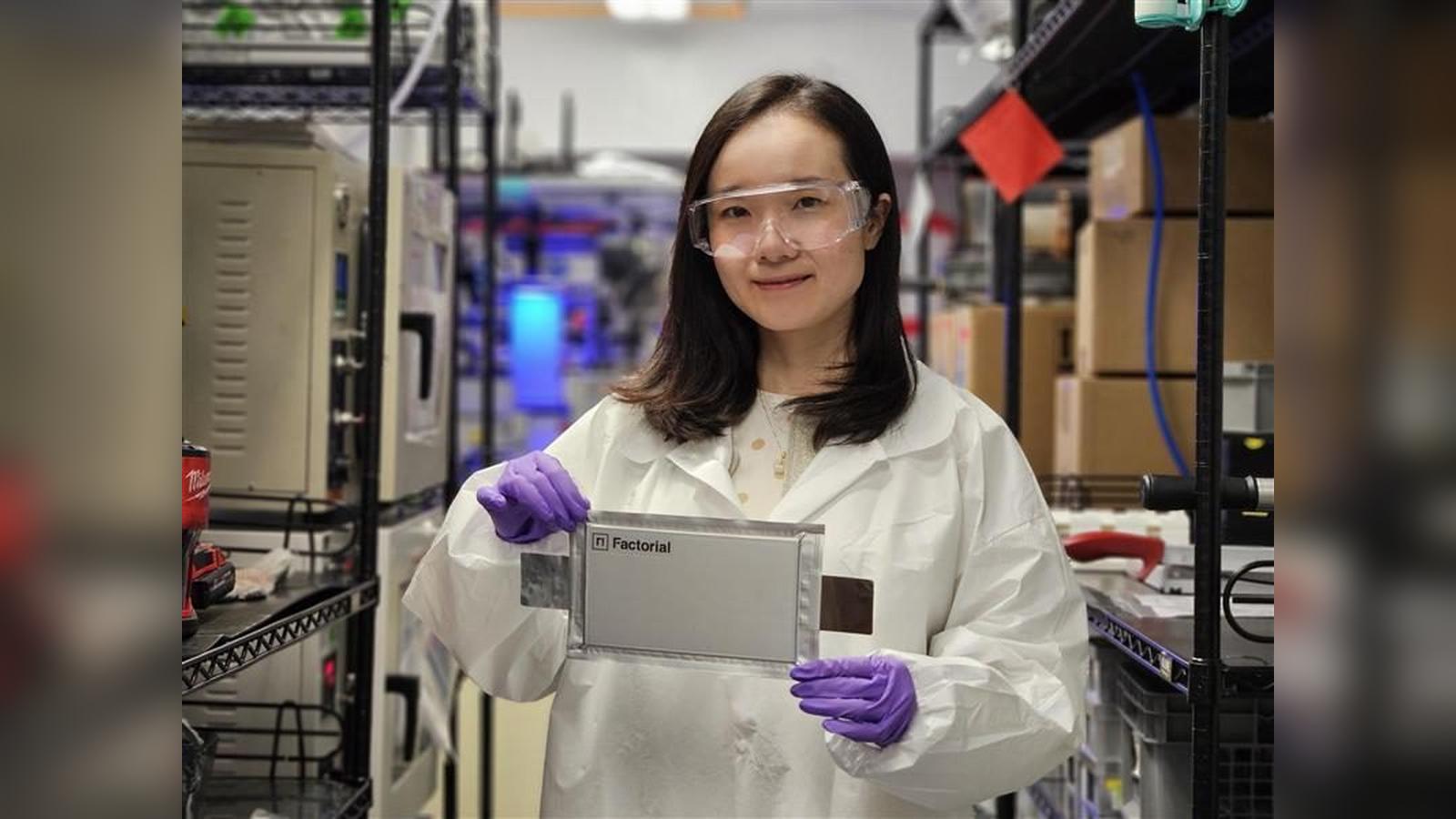
Factorial Energy has secured a significant new strategic partnership to advance the development and integration of its solid-state battery technology, according to reports from Electrek. This development arrives at a critical juncture for the industry, where the transition from laboratory proof-of-concept to large-scale manufacturing remains the primary hurdle for widespread commercial adoption.
While industry leaders like CATL and BYD continue to refine their long-term roadmaps, global technology readiness levels (TRL) for all-solid-state batteries largely remain at Level 4—the stage of laboratory principle verification. As noted in industry analysis by 36Kr, the gap between this stage and TRL 9, which signifies mass-market readiness, typically spans five to eight years in manufacturing history.
The Cost and Material Deadlock
The core challenge for companies like Factorial Energy is not merely the chemistry, but the economics of the supply chain. Current all-solid-state cell costs remain between 1.6 and 2.2 yuan/Wh, significantly higher than the 0.39–0.5 yuan/Wh for standard lithium iron phosphate cells. A primary driver of this cost is lithium sulfide, which accounts for up to 75% of the bill of materials (BOM) in sulfide-based solid-state designs.
As of mid-2026, the global effective capacity for lithium sulfide is approximately 830 tons—a constraint that limits mass production potential. This creates a “three-ring deadlock”: material manufacturers are hesitant to scale without bulk orders, battery manufacturers cannot commit to mass production due to unstable raw material costs, and the resulting low demand keeps production at demonstration levels.
Policy and Market Realities
Government interventions are attempting to break this cycle. The implementation of national standard GB/T 43568-2026, which uses a 0.5% weight loss rate to define true solid-state products, is intended to curb “pseudo-solid-state” marketing. Furthermore, tax exemptions for solid-state batteries, which began in September 2026, aim to improve the financial viability of pilot projects. However, industry analysts suggest that while these policies improve the cost-side of financial statements, the fundamental requirement remains a massive increase in the monthly output of key materials like lithium sulfide.
The industry remains divided on the timeline. While some firms target full all-solid-state parity by 2030, others, including leaders at Honeycomb Energy, argue that solid-liquid hybrid batteries will remain the dominant force for the next decade, serving as a bridge technology until material costs and manufacturing yields reach the necessary maturity.