


Addressing the Talent Drain
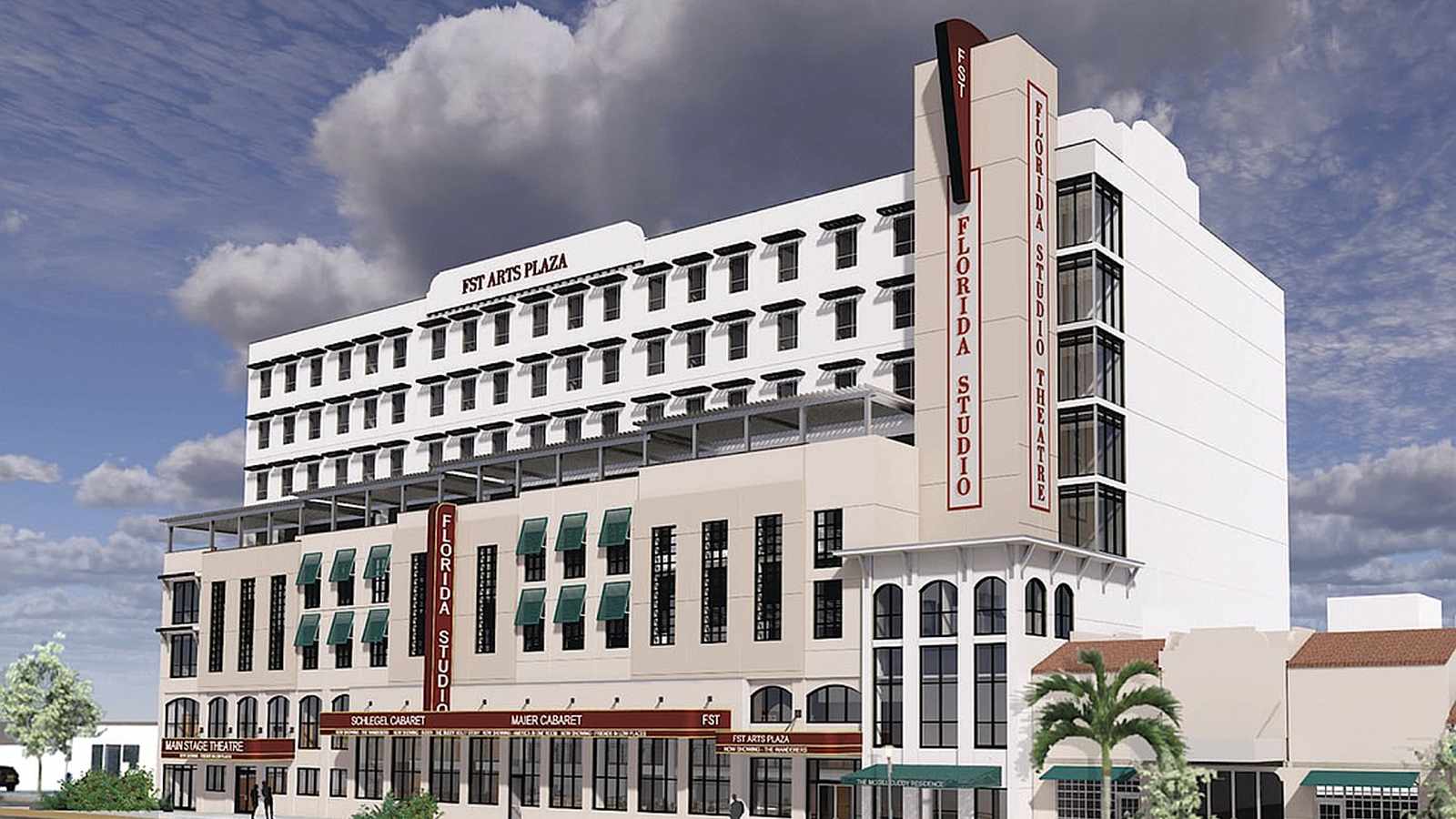
Florida Studio Theatre (FST) in Sarasota is moving forward with a major expansion project, the McGillicuddy Arts Plaza, aimed at tackling the regional housing crisis that threatens the theater’s ability to retain essential staff. Faced with rising living costs that have pushed many employees out of the downtown area, FST is incorporating 57 dedicated apartment units into its new campus expansion, with Phase One expected to reach completion by Fall 2027.
The project serves a dual purpose: providing high-quality residential space for visiting artists and securing stable, below-market rent for year-round local arts workers. According to FST executive producer Richard Hopkins, the initiative is a response to a long-term trend where talented professionals—ranging from department heads to interns—find the cost of living in Sarasota prohibitive compared to other major cultural hubs like Philadelphia.
Strategic Infrastructure for Cultural Retention
The McGillicuddy Arts Plaza is being constructed in three phases. Phase One, currently under construction and fully funded at $46 million, prioritizes the residential units and 125 parking spaces. Once completed, FST plans to consolidate its current scattered rental portfolio into this centralized location. The residential mix includes 39 studio units for visiting artists and 18 two-bedroom, two-bathroom apartments targeted at local staff earning 80% or less of the Area Median Income.
The urgency of the project is underscored by recent economic data: the annual survival budget for a family of four in Sarasota County has risen to $108,900, significantly higher than the median household income of $83,003. FST leadership emphasizes that without such housing interventions, the theater risks losing the high-caliber talent necessary to maintain its status as one of America’s largest subscription theaters, currently drawing over 225,000 attendees annually.
Beyond the Stage
For employees like Nicole Crivelli, an assistant box office and house manager, the availability of theater-provided housing has been a career-defining factor. After the conclusion of her internship, the lack of affordable local housing nearly prevented her from accepting a full-time position. FST’s ability to provide a discounted unit allowed her to remain in the region and focus on her professional development without the burden of a second job or extreme commuting costs.
However, FST leadership notes that while internal housing projects are a necessary stopgap, they do not resolve the broader systemic issues. Executive director Rebecca Hopkins highlights that established artists looking to purchase homes face additional hurdles, including high interest rates and competitive bidding from cash buyers. FST advocates for greater public policy support to recognize the economic and human value of maintaining a vibrant arts community, ensuring that the “cultural coast” remains accessible to the professionals who define its identity.