


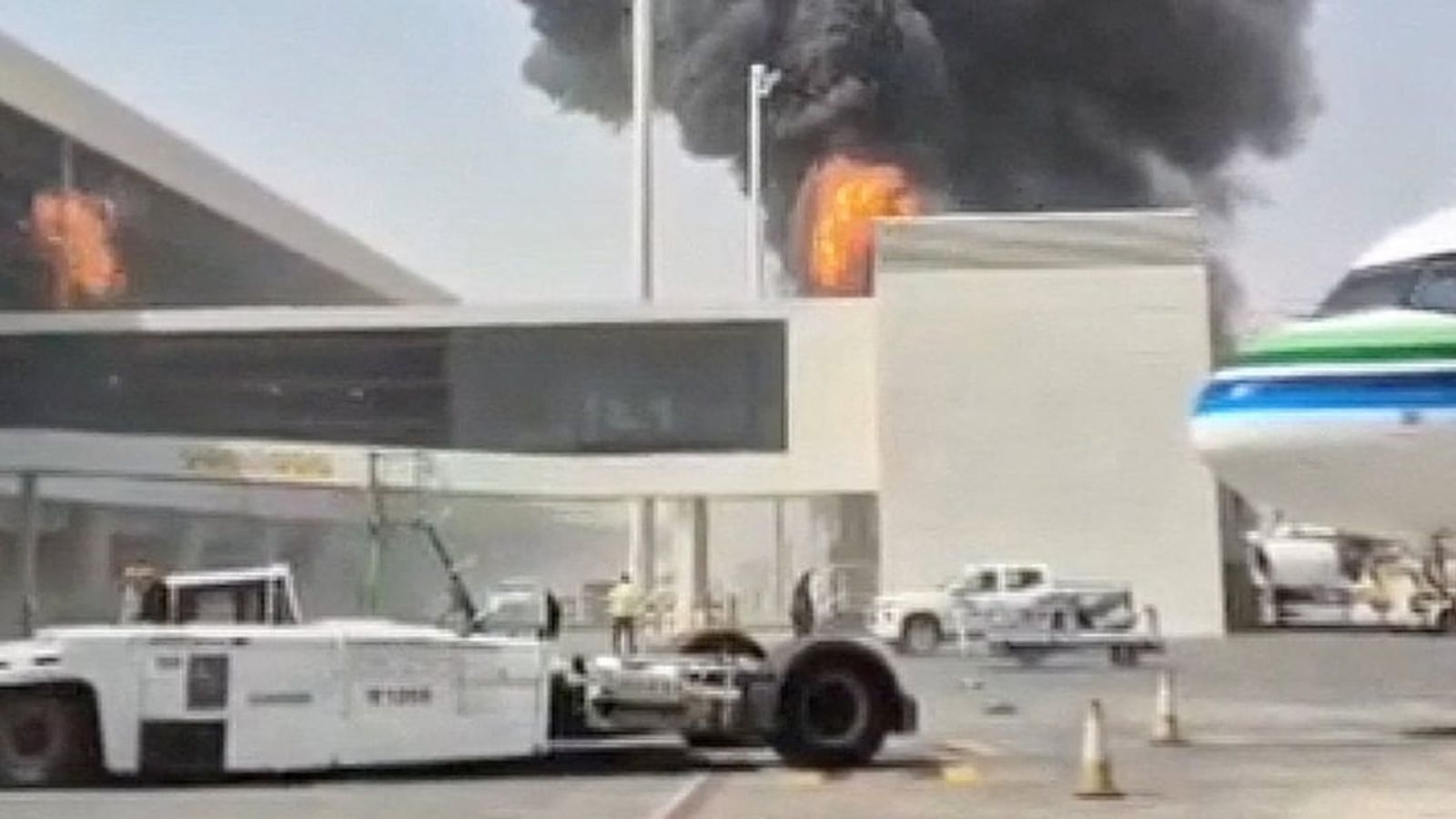
RIYADH, Saudi Arabia (Azat TV) – Fears of an expanding regional conflict have gripped Saudi Arabia following a series of devastating missile and drone strikes launched by Yemen’s Iran-backed Houthi rebels. The weekend assault on King Khalid International Airport in Riyadh and subsequent targeting of critical oil infrastructure have resulted in at least 14 confirmed deaths and over 300 injuries, marking the most significant escalation in the kingdom’s security landscape in more than a decade. The violence has shattered the relative calm that followed the 2022 ceasefire, plunging the region into a state of heightened volatility.
A Lethal Escalation and Civilian Toll
The human cost of the weekend’s violence has been extensive, with casualties spanning multiple nationalities. Among those killed in the initial Saturday strike were citizens from Saudi Arabia, the United States, Bangladesh, Egypt, Jordan, Palestine, Syria, and Sudan. The Indian Embassy in Saudi Arabia also confirmed the death of one of its nationals who had been injured during the attack. A subsequent strike on Sunday claimed the life of a Pakistani national, as reported by authorities, further underscoring the indiscriminate nature of the targeting.
Video footage circulating from the Saturday attack depicts the harrowing moments inside the airport, showing a crowded terminal before an explosion sends travelers fleeing for cover as debris rains down. The psychological and logistical impact was immediate; King Khalid International Airport remains closed as of Monday, with officials announcing a suspension of operations until October 17. Aviation analytics firm Cirium reported that flight cancellations across the kingdom reached a staggering 46% on Monday, effectively isolating major hubs and disrupting regional transit.
Energy Markets and Strategic Vulnerability
The strikes have directly impacted global energy stability, casting a shadow over the World Petroleum Congress currently being held in Riyadh. The event, intended to showcase the kingdom’s energy leadership, saw a notable exodus of high-profile attendees, with the chief executives of Exxon Mobil, TotalEnergies, Shell, Chevron, and BP dropping off the schedule. The proximity of the attacks to the conference venue highlighted the vulnerability of key infrastructure, forcing energy ministers to confront the reality that regional security remains in jeopardy.
Saudi Energy Minister Prince Abdulaziz bin Salman, while attempting to project a narrative of national resilience, acknowledged the severity of the situation. “The events of recent weeks are serious. Our response must be equally serious,” he stated during the opening session of the congress. He emphasized that the kingdom remains “fearless” and “determined,” even as the attacks disrupted the proceedings of one of the industry’s most significant global gatherings.
Geopolitical Stakes and Deterrence
The precision of the Houthi drone and cruise missile strikes has raised alarms among defense analysts regarding the efficacy of current air defense systems. Adam Baron, a fellow at New America, noted that while the regional community was aware of Houthi capabilities, the technical sophistication displayed in these attacks exposes critical security gaps. “There is a great degree of anxiety in terms of living in a world where you can just have random armed groups hitting airports,” Baron observed. He suggested that the strikes may force a “galvanizing effect” on international actors, potentially compelling the U.S. and other nations to take more aggressive steps to degrade Houthi capabilities and restore regional deterrence.
The diplomatic landscape is rapidly shifting as a result. President Donald Trump indicated on Saturday that the U.S. is evaluating the possibility of joining Saudi military operations in response to the attacks. “We may. We’re gonna look at it,” the president told reporters, signaling that Washington is weighing its options as the conflict threatens to widen. Meanwhile, the United Arab Emirates has called for a renewed, joint Gulf security framework, with senior presidential adviser Anwar Gargash stating that regional security is “indivisible” and requires a unified, immediate response.
The Shadow of War
The current crisis marks a definitive turning point in the Yemeni conflict. The 2022 ceasefire, which had provided a period of relative stability, collapsed in July following accusations that Saudi forces had struck the Sanaa airport during an Iranian flight’s landing attempt. Since then, fighting has intensified along the Red Sea coast and the strategic Bab el Mandeb Strait, a vital artery for global commerce. Iran has reportedly offered to facilitate talks, yet the tactical reality on the ground—with the Houthis expanding their reach—suggests a path toward further escalation.
As Saudi Arabia weighs a potential return to full-scale military involvement in Yemen’s civil war, the international community is responding with caution. Numerous nations, including the U.S., Australia, Canada, Japan, South Korea, and New Zealand, have updated travel advisories, urging their citizens to avoid non-essential travel to the kingdom. With the Federal Aviation Administration warning U.S. airlines to exercise extreme caution when flying near Saudi airspace, the kingdom now stands at a precarious crossroads, forced to balance its defensive posture against the risks of deeper, protracted regional warfare.
Reporting source: nbcnews.com.