


Nationwide Rallies Draw Tens of Thousands Amid Economic Strain
Massive demonstrations erupted across France on Saturday, bringing tens of thousands of students, trade unionists, and citizens into the streets to protest high living costs, stubborn social inequalities, and the deteriorating state of the national education system. According to DW, protest organizers anticipated more than 600 separate demonstrations nationwide, while French authorities estimated total turnout to reach nearly 200,000 participants.
The unrest follows weeks of growing public frustration and school-based protests regarding teacher shortages and run-down infrastructure. Interior Minister Laurent Nunez noted ahead of the demonstrations that a significant turnout was expected, while Prime Minister Sebastien Lecornu warned on Thursday of potential violence, citing a pervasive atmosphere of fatigue, inflation, and ongoing economic pressure.
Clashes, Vandalism, and Hundreds of Arrests
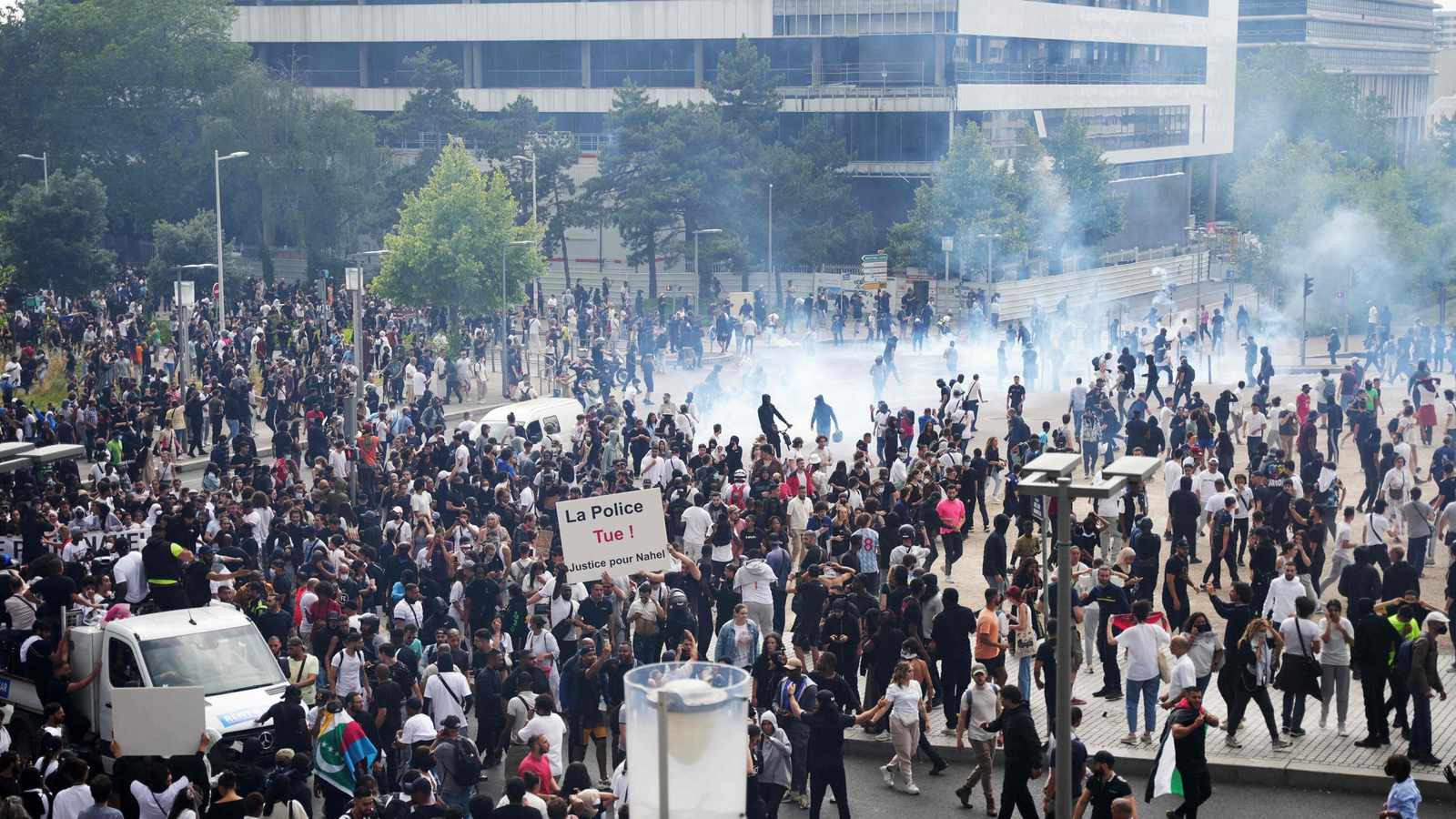
The demonstrations quickly turned volatile in major urban centers, including Paris, Marseille, Rennes, Toulouse, Angers, Lyon, and Lille. By mid-afternoon, the French Interior Ministry reported that approximately 272 people had been arrested following violent confrontations with law enforcement, attempted looting, and the setting of fires to street furniture and official buildings. Government officials explicitly blamed the escalation on elements they categorized as the “ultra-left.”
In Lyon, the city’s tourism office was set ablaze, sending thick black smoke billowing into the air. Meanwhile, in northern Lille, a group of demonstrators managed to break into the town hall, vandalizing the interior before being cleared by riot police within minutes. In Paris, authorities implemented strict security perimeters, banning rallies around key institutional sites such as the Elysee presidential palace, the prime minister’s office, and the Champs-Elysee avenue, while riot police deployed tear gas in Saint-Denis and near the Gare du Nord station to disperse aggressive crowds.
Political Fallout and Broader Social Context
The composition of the protest movement reflects a broad coalition of grievances, bringing together students, labor unions, and remnants of the historic “Yellow Vests” movement that previously mobilized against economic inequality. The demonstrations have also found political backing from hard-left figures like Jean-Luc Melenchon of France Unbowed, though government representatives have accused hard-left factions of deliberately exacerbating public discontent.
Far-right leader Jordan Bardella expressed severe concern over the trajectory of the unrest, predicting a “day of chaos” for the country. President Emmanuel Macron has repeatedly appealed for calm, maintaining that while the constitutional right to protest remains fundamental, it must be balanced against strict respect for people and property. The current wave of civil unrest also compounds recent tensions surrounding school protests, which previously resulted in dozens of injuries and ongoing internal police watchdog investigations into tactical response methods.