


A Prolonged Conflict and Economic Pressure
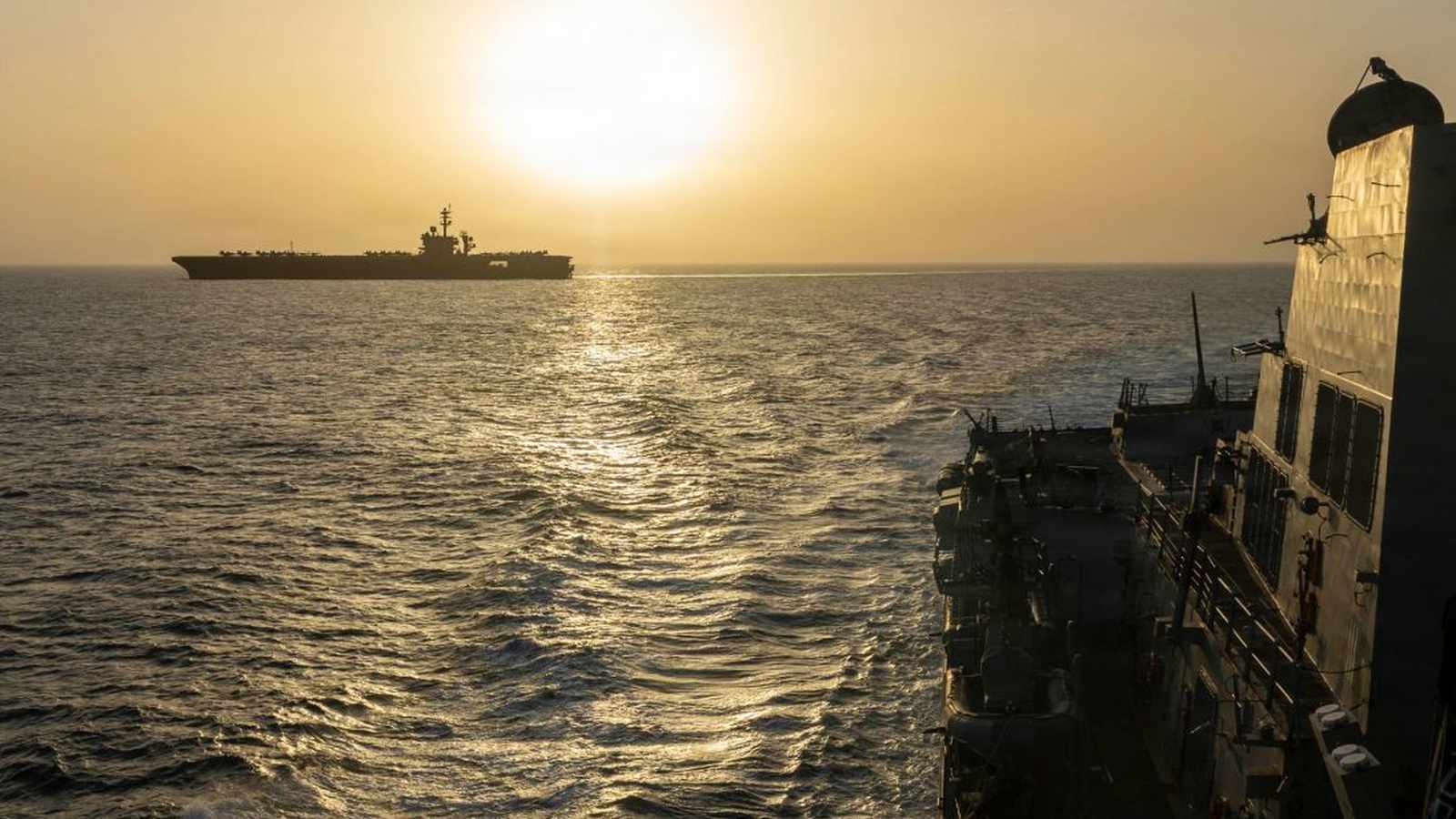
As the U.S.-Iran war passes its six-month milestone, the conflict has settled into a grinding stalemate defined by economic attrition rather than rapid military victory. President Trump, who initially projected a six-week timeline for the engagement, now maintains that the operation will continue for “as long as necessary.” While military operations have cooled, the administration has pivoted toward what Treasury Secretary Scott Bessent describes as an “economic D-Day,” aimed at the total financial isolation of the Iranian regime.
The human and economic toll of the conflict is mounting. According to the Lebanon Ministry of Public Health, over 4,350 people have been killed and 12,310 injured in the fighting between Israel and Hezbollah in southern Lebanon since March 2. Meanwhile, Iranian President Masoud Pezeshkian has publicly acknowledged that U.S. sanctions are inflicting damage on the Iranian economy—a significant departure from the regime’s earlier narrative of resilience. Despite this, Iranian officials continue to signal that they will prioritize defense over surrender.
This report draws on information published by BBC and CBS News.
Financial Scrutiny and Energy Policy
The administration’s focus on “economic asphyxiation” has drawn intense domestic criticism regarding the nexus of U.S. foreign policy and the personal financial interests of the President. Financial disclosure filings through the second quarter of 2026 reveal that President Trump’s investment portfolio has continued to trade oil and natural gas stocks throughout the duration of the war. Data from the Office of Government Ethics indicates that the President’s holdings in the energy sector rose from a range of $13–$46 million at the start of the year to $17–$61 million by mid-August.
Democratic lawmakers, led by Sen. Elizabeth Warren, have seized on these disclosures to argue that the war has created a windfall for energy companies aligned with the administration. Sen. Warren noted that major firms like ExxonMobil and Chevron reported massive profit increases in the second quarter. The White House has maintained that the President is not involved in the day-to-day management of his trades, but the optics have provided political ammunition to critics who argue that the war’s continuation is fiscally incentivized.
Market Manipulation Claims and Diplomatic Friction
Tensions have extended to the global energy markets, where both Washington and Tehran are trading accusations of manipulation. President Trump recently claimed that U.S. naval efforts have successfully escorted 130 million barrels of oil out of the Persian Gulf, a move intended to stabilize global supply. Iranian Foreign Minister Abbas Araghchi dismissed these figures, accusing the U.S. of using “gullible media” to influence prices for personal gain. Mohammad Bagher Ghalibaf, the speaker of Iran’s Parliament, further escalated the rhetoric, labeling the claims as false and citing Moody’s Analytics estimates that the war has already cost the U.S. at least $130 billion.
As Washington intensifies its financial pressure, the U.S. Treasury Department has moved to cut off institutions perceived as enablers of the Iranian regime. The Central Bank of the UAE announced an urgent examination of the Egyptian bank Banque Misr’s local branches following U.S. warnings that the institution would be excluded from the U.S. financial system for its alleged support of Iran. This development signals that the administration’s “economic war” is increasingly forcing third-party nations to choose between the U.S. financial system and their ties to the Iranian economy.