


Federal Regulators Escalate GM V8 Probe
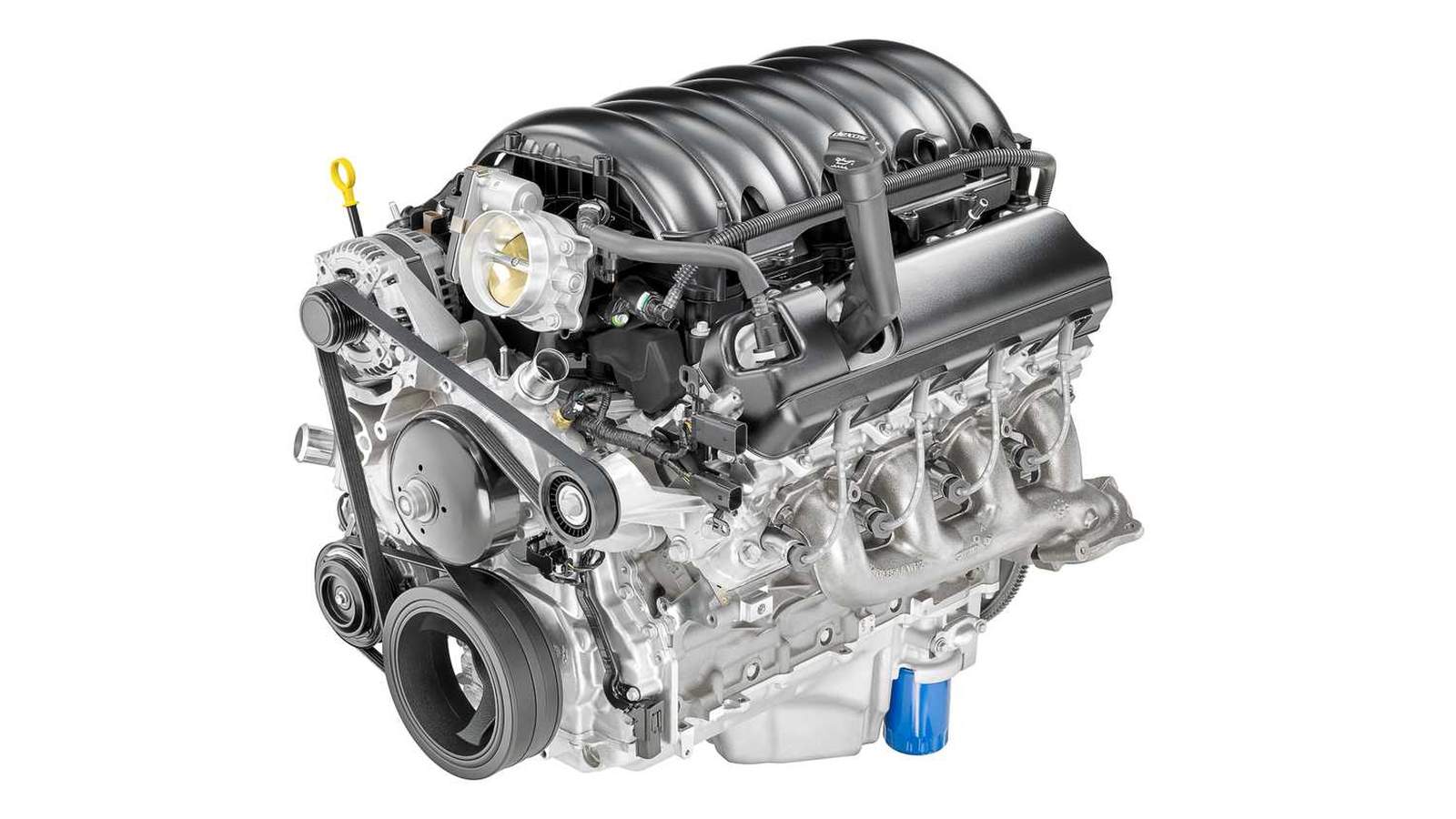
The reputation of the modern V8 engine as an indestructible powerhouse is facing severe regulatory and mechanical pressure. In August 2026, the National Highway Traffic Safety Administration (NHTSA) escalated its ongoing inquiry into General Motors’ flagship 6.2-liter L87 V8 engine, opening an Engineering Analysis (EA26005). This move expands the federal investigation’s scope to nearly one million vehicles from the 2021 to 2026 model years, highlighting growing concerns over severe engine defects that persist even after official recall repairs have been completed.
According to reports tracked by CarBuzz, the federal escalation follows a massive 2025 recall (NHTSA campaign 25V-274) that originally targeted just under 600,000 Chevrolet Silverado, Suburban, Tahoe, GMC Sierra, Yukon, and Cadillac Escalade models. While GM estimated that only 3% of those recalled vehicles contained the actual manufacturing defect, subsequent real-world data has forced federal investigators to dig deeper into the engine’s long-term reliability.
The Anatomy of GM’s L87 Mechanical Failures
At the center of GM’s crisis is the naturally aspirated L87 V8, a highly popular engine producing 420 horsepower and 460 lb-ft of torque. The mechanical issues stem from two primary supplier manufacturing errors. First, sediment contamination inside the crankshaft oil galleries and on connecting rods has led to severe rod bearing damage. Second, some crankshafts were produced with dimensions or surface finishes that fell outside of strict factory specifications. Both conditions can result in sudden bearing failure, leading to total engine seizure.
The safety risks associated with these failures are substantial. Drivers have reported sudden loss of propulsion while traveling at highway speeds, loud knocking sounds, check engine lights, and unexpected engine stalls. Between April 2021 and February 2025, GM recorded 28,102 field complaints or incidents potentially linked to these crankshaft and connecting rod defects. Crucially, 14,332 of those incidents involved a complete loss of propulsion. The automaker also identified 12 crashes, 12 injuries, and 42 fires allegedly connected to the engine failures.
Why the Official Recall Remedy Failed
When the initial recall was launched, GM’s authorized dealership network applied two distinct remedies depending on the engine’s condition upon inspection. Engines showing signs of wear were completely replaced or repaired. However, engines that passed the initial dealer inspection were simply given a higher-viscosity engine oil, a new oil filter, a redesigned oil fill cap, and an updated owner’s manual insert. This alternative oil remedy was intended to mitigate bearing wear, but federal records suggest it did not solve the root issue.
By January 2026, NHTSA opened a Recall Query (RQ26001) after receiving numerous reports of engine failures occurring after the recall remedies had been performed. By August 2026, the Office of Defects Investigation had accumulated 499 consumer complaints alleging post-remedy engine failures. Of these, 473 vehicles had received the higher-viscosity oil remedy, while 26 experienced total engine failure even after receiving a brand-new replacement engine. Separately, GM’s internal records revealed a staggering 6,953 complaints alleging failures after recall servicing. Furthermore, NHTSA received 191 reports of failures in L87 engines manufactured outside the original suspect window, prompting the agency to expand its investigation to newer model years.
Mercedes-AMG’s Hand-Built V8 Faces Its Own Hurdles
While GM battles a high-volume safety crisis, premium European manufacturers are also dealing with documented vulnerabilities in their high-performance V8 designs. The 4.0-liter twin-turbo M177 and M178 V8 engines, famous for Mercedes-AMG’s “one-man, one-engine” hand-assembly philosophy, have accumulated a paper trail of expensive mechanical weaknesses that challenge their “bulletproof” status.
In 2020, Mercedes-Benz recalled 2,518 vehicles in the United States equipped with the M177 engine—including select E-Class, G-Class, S-Class, and AMG GT models—due to sub-specification turbocharger oil feed lines. Under high thermal loads, these lines could leak oil onto hot engine components, posing a severe fire risk. Beyond this recall, technical service bulletins from 2019 and 2025 highlight additional issues: intermittent boost loss caused by failing vacuum supplies, faulty crankcase ventilation systems, and rear main seal oil leaks. The latter issue often requires technicians to replace the air/oil separators before addressing the seals, indicating complex crankcase pressure management issues that can lead to costly out-of-warranty repairs.
What Lies Ahead for Affected Vehicle Owners
For GM truck and SUV owners, the escalation to an Engineering Analysis is a critical regulatory step that often precedes a mandated secondary recall or an expansion of the original recall population. Investigators will focus on whether the higher-viscosity oil remedy was an inadequate band-aid for a fundamental manufacturing defect. For Mercedes-AMG owners, the documented service bulletins emphasize the reality that sophisticated, high-output engineering requires meticulous, preventative maintenance to avoid catastrophic system failures.