


Recruitment Drive for Lunar and Mars Missions
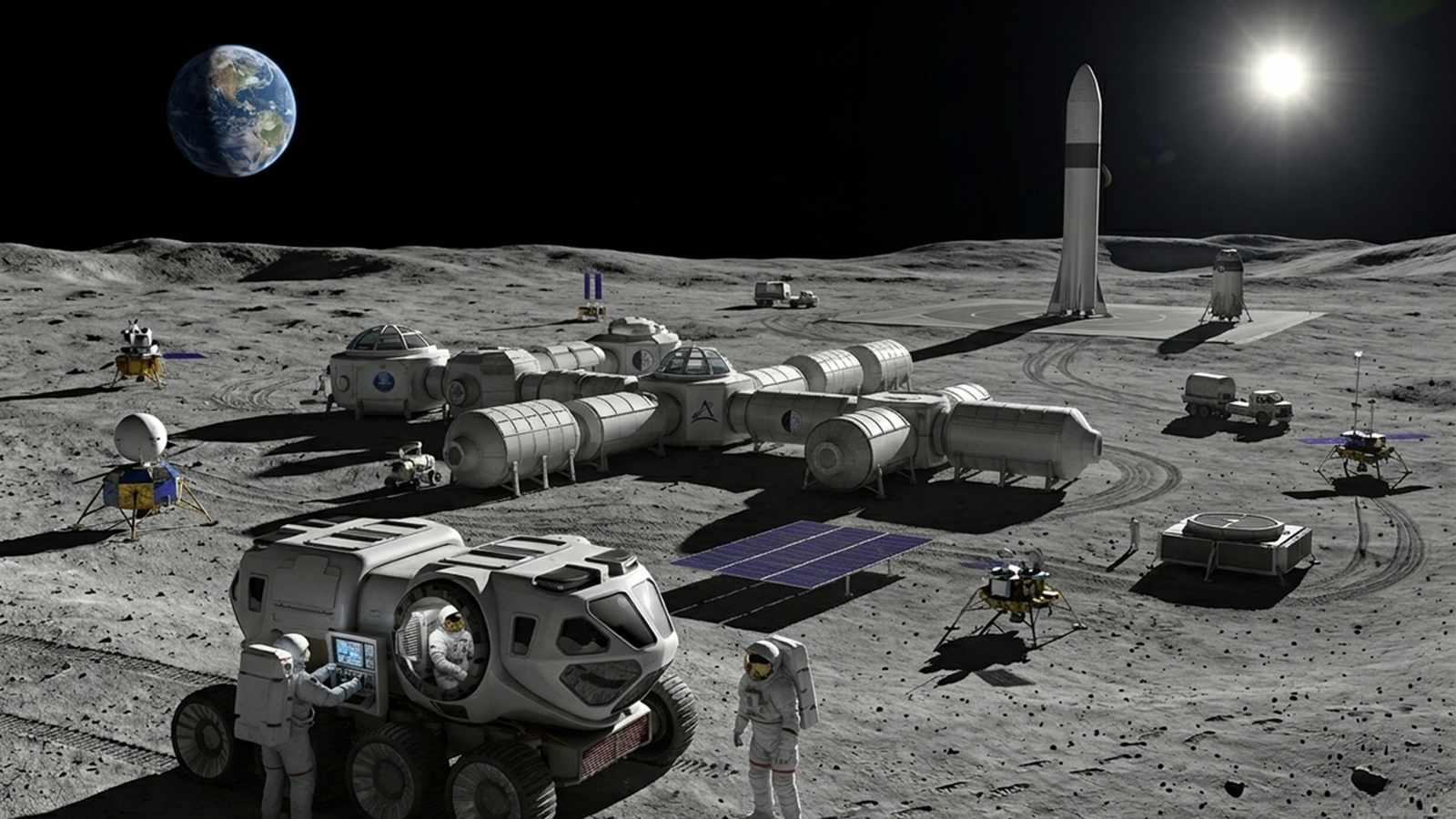
On November 7, 2026, NASA officially opened the application window for a new class of astronaut candidates tasked with the critical objective of establishing humanity’s first permanent base on the Moon. This recruitment effort is designed to secure the personnel necessary for sustained lunar exploration, which serves as a foundational step for future crewed missions to Mars. As reported in an article published by LiveNOW from FOX, the space agency is seeking candidates who possess technical excellence, sound judgment, and the capacity for high-stakes teamwork. NASA Administrator Jared Isaacman noted that these individuals will be instrumental in pioneering the systems and operations that will ultimately carry humans to the Martian surface.
The current roster of active NASA astronauts stands at only 32, a figure that the agency deems insufficient for the anticipated operational requirements of the coming years. By initiating this selection process, NASA aims to replenish its ranks to support the ambitious goal of returning humans to the lunar surface by 2028, mirroring the timeline of the Apollo era while shifting focus toward long-term infrastructure. Prospective applicants have until December 3, 2026, to submit their credentials through the agency’s official portal.
Selection Criteria and Competitive Landscape
The baseline requirements for the 2026 class remain rigorous, centered on STEM proficiency. Candidates must hold a master’s degree in a STEM field—encompassing engineering, biological science, physical science, computer science, or mathematics—from an accredited institution. However, the agency has outlined alternate pathways for those pursuing specific STEM doctoral degrees, individuals with significant qualifying medical experience, or those who meet established pilot standards. According to SpaceNewz, while these requirements are the formal threshold for eligibility, the actual competitive bar is exceptionally high. In the previous selection cycle, which concluded in September 2025, the agency received over 8,000 applications for only 10 available spots, resulting in an acceptance rate of less than 0.2 percent.
Scott Tingle, chief astronaut and chair of the Astronaut Selection Board, emphasized that the role extends beyond a traditional career path. “It is a chance to join a legacy of explorers who have pushed the boundaries of discovery and play a role in the missions that will shape humanity’s future in space,” Tingle stated. The selection process is exhaustive, often requiring candidates to undergo multiple rounds of interviews and assessments at the Johnson Space Center in Houston. The successful candidates selected by late 2027 will begin their intensive training in early 2028, covering spacecraft systems, robotics, spacewalk procedures, and survival training.
Strategic Development and Infrastructure
The recruitment of human personnel coincides with significant technological and logistical advancements aimed at securing the Moon’s south pole. NASA has announced new awards for eight private-sector companies, including Blue Origin, Lockheed Martin, Northrop Grumman, and SpaceX, which will compete for delivery missions to the lunar surface. These partnerships are essential for the agency’s strategy of outsourcing non-core logistics to focus on crew safety and mission success. Furthermore, the agency is proceeding with the development of a nuclear-powered, six-wheeled rover.
This rover is engineered to perform critical reconnaissance, including identifying resource potential and scouting landing sites to support future infrastructure development. By integrating human expertise with autonomous systems, NASA intends to create a sustainable environment capable of supporting long-term habitation. The current phase of astronaut recruitment is therefore not merely a staffing exercise, but a component of a larger strategy to maintain a continuous human presence beyond low-Earth orbit. As the agency moves toward the 2028 lunar return goal, the selected candidates will be expected to pioneer the operational systems required for these unprecedented deep-space endeavors.
Understanding the Competitive Threshold
For those considering an application, it is important to distinguish between the formal eligibility requirements and the actual competitive profile of successful candidates. While a master’s degree is the standard, recent classes have been dominated by individuals possessing multiple advanced degrees, including PhDs and medical doctorates, alongside significant professional experience. For pilot candidates, the standard is equally stringent, often requiring hundreds of hours of flight time in high-performance aircraft. The selection process does not merely look for technical capability but for the character traits required for long-duration isolation in the extreme environment of deep space.
The timeline for this class follows a familiar pattern for the agency. After the application window closes in early December 2026, the review process will move through initial qualification screens, followed by deep-dive interviews and physical assessments. The agency typically allows 12 to 18 months from the closing of applications to the final announcement of the new class. This deliberate pacing ensures that the recruits are not only academically qualified but are also the right psychological fit for the unique pressures of the Artemis and Mars programs. By the time the 2028 training cycle begins, these individuals will represent the vanguard of a new era of space exploration, bridging the gap between the short-term sorties of the past and the permanent lunar presence envisioned for the future.
The Broader Context of Human Spaceflight
This initiative represents a pivotal shift in how NASA approaches mission staffing. Unlike the early days of spaceflight, where the focus was on singular, high-visibility objectives, the current mission set is defined by sustainability. The integration of nuclear-powered robotics and private sector delivery infrastructure creates a complex operational environment that requires astronauts to function as both researchers and system operators. The decision to expand the corps from the current 32 active members reflects the agency’s internal calculations regarding the high tempo of upcoming lunar missions. Each mission to the lunar south pole requires a diverse skill set, from geology and resource extraction to advanced medical care and deep-space communications maintenance.
As the agency prepares for these missions, the involvement of the private sector remains a defining feature. The eight companies selected for logistics support will handle everything from cargo delivery to landing site preparation, allowing the astronauts to focus on the high-level scientific and technical tasks that only humans can perform. This division of labor is essential for the long-term feasibility of the lunar base. The selected candidates will essentially become the first generation of “lunar residents,” responsible for testing the life-support systems and surface operations that will eventually be adapted for the much longer journey to Mars. The 2026 recruitment drive is, in essence, the foundational step for the next decade of deep-space exploration, setting the stage for human activities that will extend far beyond the immediate proximity of Earth.