


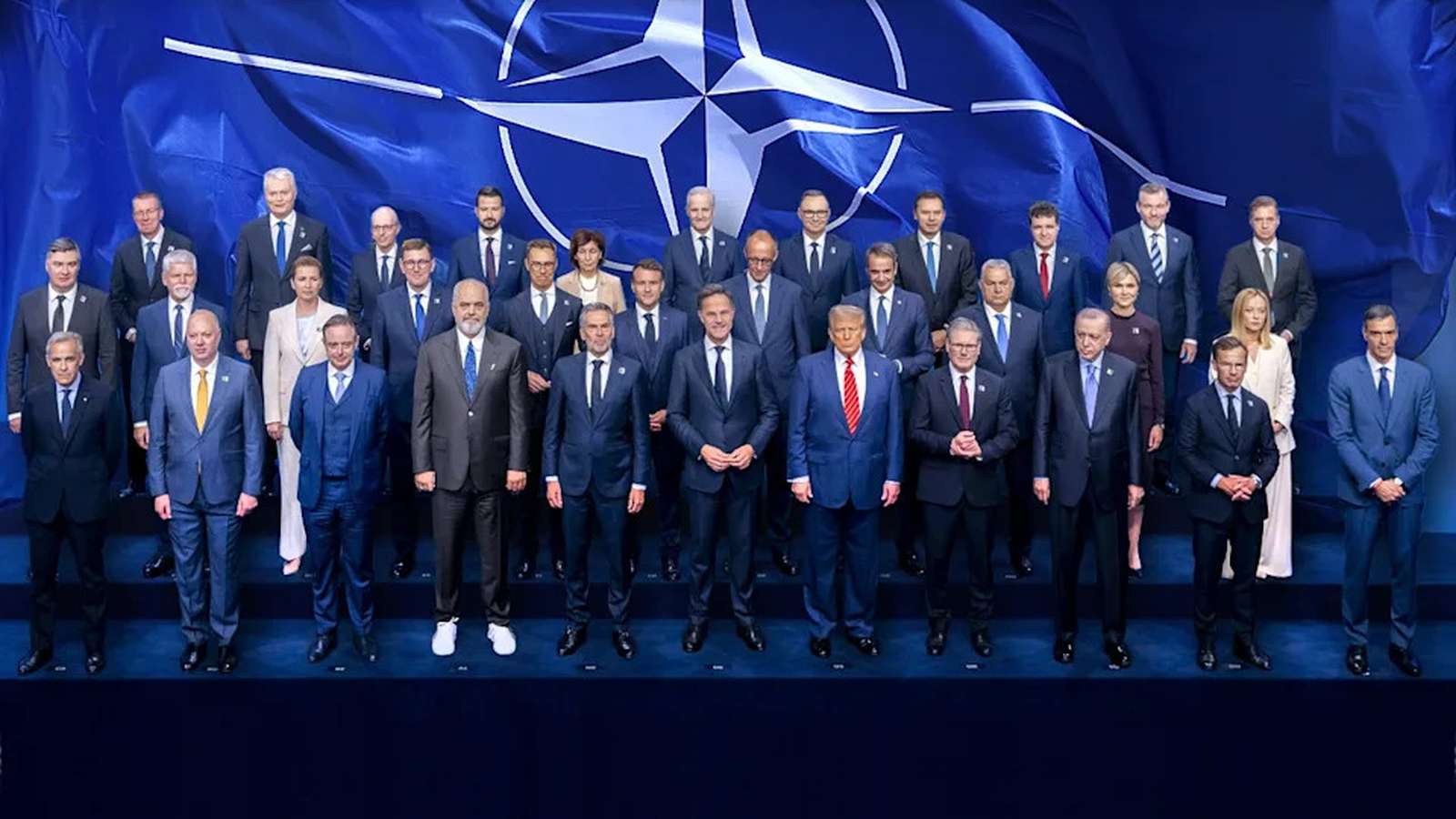
Evolving NATO defense strategies
Following recent high-level meetings, NATO has finalized a series of strategic conclusions aimed at recalibrating the alliance’s posture in an increasingly volatile security environment. Member states have reached a consensus on the necessity of bolstering the Eastern Flank while simultaneously streamlining decision-making processes to ensure rapid deployment capabilities. These measures represent a shift toward a more proactive deterrent model rather than the reactive stance that characterized previous years.
Integration of rapid response capabilities
A core conclusion from the recent consultations involves the full integration of multi-domain rapid response units. According to official briefings, the alliance is prioritizing interoperability between member nations to ensure that logistical bottlenecks do not impede collective defense efforts. This initiative is designed to address the specific requirement for immediate troop mobilization in scenarios where conventional diplomacy may fail to de-escalate tensions.
Commitment to collective security goals
Beyond military hardware and troop movements, the alliance has reaffirmed its commitment to the collective security framework established under the Washington Treaty. The latest conclusions emphasize that the burden of defense must be shared equitably across all thirty-plus member states. By synchronizing defense spending with long-term technological development, NATO aims to maintain a qualitative edge over potential adversaries while fostering greater internal stability among its members.
- NATO has shifted toward a proactive, deterrence-focused military posture.
- The alliance is prioritizing the integration of rapid response units to improve mobilization efficiency.
- Member states have committed to a more equitable distribution of defense responsibilities and technological investments.
The strategic conclusions reached by NATO signify a transition from post-Cold War peacekeeping mentalities to a posture of active geopolitical containment, reflecting a clear consensus that the current security architecture requires immediate and sustained modernization to remain effective against non-traditional and peer-level threats.