


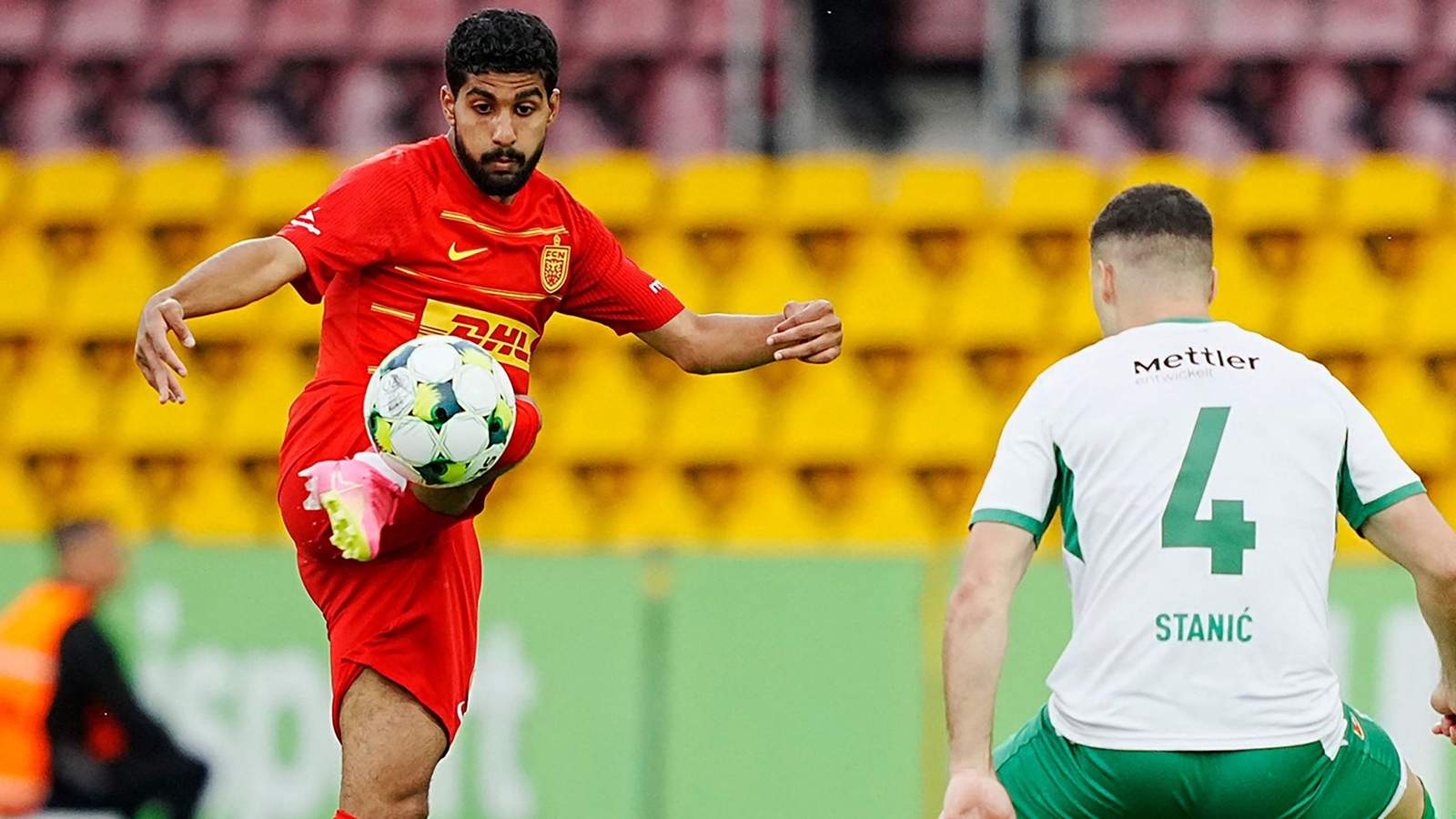
As Heart of Midlothian prepares to host Danish side FC Nordsjaelland at Tynecastle in the Conference League, mounting scrutiny over youth development in the Scottish game has directed attention toward the visiting club’s operating model. According to a report by BBC Sport, Nordsjaelland has achieved immense financial and sporting success by consistently fielding the youngest sides in European football, recording over £170m in player sales profits between 2015 and 2024.
The fixture arrives while Scottish football grapples with a perceived talent pipeline crisis. Data highlighted by BBC Sport indicates that teenagers played 39% of Nordsjaelland’s total minutes last season—the highest share in Europe—compared to an average of just 4% across the Scottish Premiership. Despite placing heavy reliance on youth, the Danish club finished in the top half of the Superliga in nine out of the last ten seasons.
Financial Returns and Academy Investment
The economic engine behind Nordsjaelland relies on an aggressive player-trading framework underpinned by substantial academy commitment. Sporting director Alexander Riget noted that the club invests approximately €5.5m (£4.6m) annually in its youth setup, contrasting with roughly €10m (£8.4m) allocated to the first-team squad—a ratio significantly tilted toward development compared to traditional European norms.
This long-term strategy has fueled multi-million-pound player exits. Notable sales include midfielder Caleb Yirenkyi, who transferred to Coventry City this summer for a club-record €27m (£23m). Other prominent alumni developed through the system include Premier League and European stars such as Mohammed Kudus, Ernest Nuamah, and Kamaldeen Sulemana.
The Right to Dream Partnership and Recruitment Pipeline
A pivotal pillar of Nordsjaelland’s talent acquisition is its integration with the Right to Dream Academy, a network of football schools founded in Ghana in 1999 by former Manchester United scout Tom Vernon, who remains the club’s chairman. Acquired by the network in 2015, the Danish club secured a direct pipeline to elite west African talent.
Riget explained to BBC Sport that this international intake works in tandem with Scandinavian recruitment, creating a balanced roster of roughly half west African and half Scandinavian prospects. The club has since expanded the Right to Dream footprint by opening an academy in Cairo, tapping into the broader African talent pool where formal club infrastructure remains scarce.
Structural Adaptability and Lessons for Scotland
While the Right to Dream network and specific capital outlays cannot be directly replicated by every organization, football administrators in Scotland have begun evaluating which foundational principles can be adopted. When the Scottish FA convened with leading clubs in St Andrews to promote youth integration at the first-team level, Nordsjaelland was cited as a benchmark for overcoming reluctance among coaches to field teenagers.
Riget emphasized that patience from stable ownership is non-negotiable when pursuing such a strategy, noting that financial returns typically require seven to ten years of sustained investment. Furthermore, Nordsjaelland enforces a unified club-wide tactical philosophy, ensuring that academy prospects transition seamlessly into the senior squad because they are already accustomed to the required style of play.