


The connection between neurology and art spans centuries. Renaissance artists depicted human anatomy and pathology with exceptional precision, while movements like Impressionism and Cubism harnessed the unique aspects of human visual perception to create profound artistic effects. Just as artists intuitively engaged with neuroscience, neuroscientists have used artistic depictions to document critical discoveries about the brain.
Numerous studies highlight how training in visual arts improves observational and empathetic skills in medical fields like ophthalmology, radiology, and nuclear medicine. Yet, the application of arts-based training in neurology has remained underexplored.
A recent study conducted by researchers at Boston University’s Chobanian & Avedisian School of Medicine revealed that teaching artistic observation to neurology residents enhances their clinical expertise and emotional intelligence. Neurological diagnosis demands acute observation of a patient’s history, physical examination, and neuroimaging. However, the demanding nature of medical residency often results in burnout and weakened observational skills.
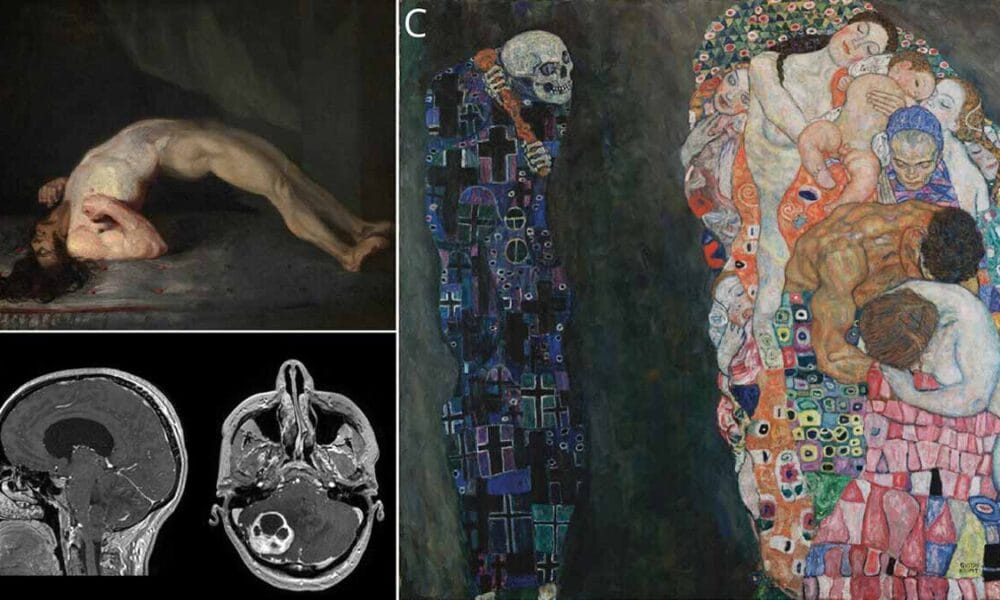
To address this, Tatiana Greige, MD, initiated the Museum Art in Neurology Education Training project, designed to develop residents’ observational and empathetic abilities while fostering resilience to uncertainty in clinical practice. Participants engaged in three customized art observation sessions, led by professional art educators, which integrated the analysis of MRI images, clinical videos, and artworks. The study showed significant improvement in participants’ observational skills, with many reporting enhanced empathy and communication abilities. All participants agreed on the project’s potential to benefit future trainees.
The researchers emphasized that humanities offer more than just educational benefits—they create a safe space for personal reflection and growth. Senior author Pria Anand, MD, noted that art can encapsulate the breadth of human experience, aiding medical trainees in addressing suffering, inequity, and the inherent limitations of healthcare systems.
These findings are published in Neurology: Education.