


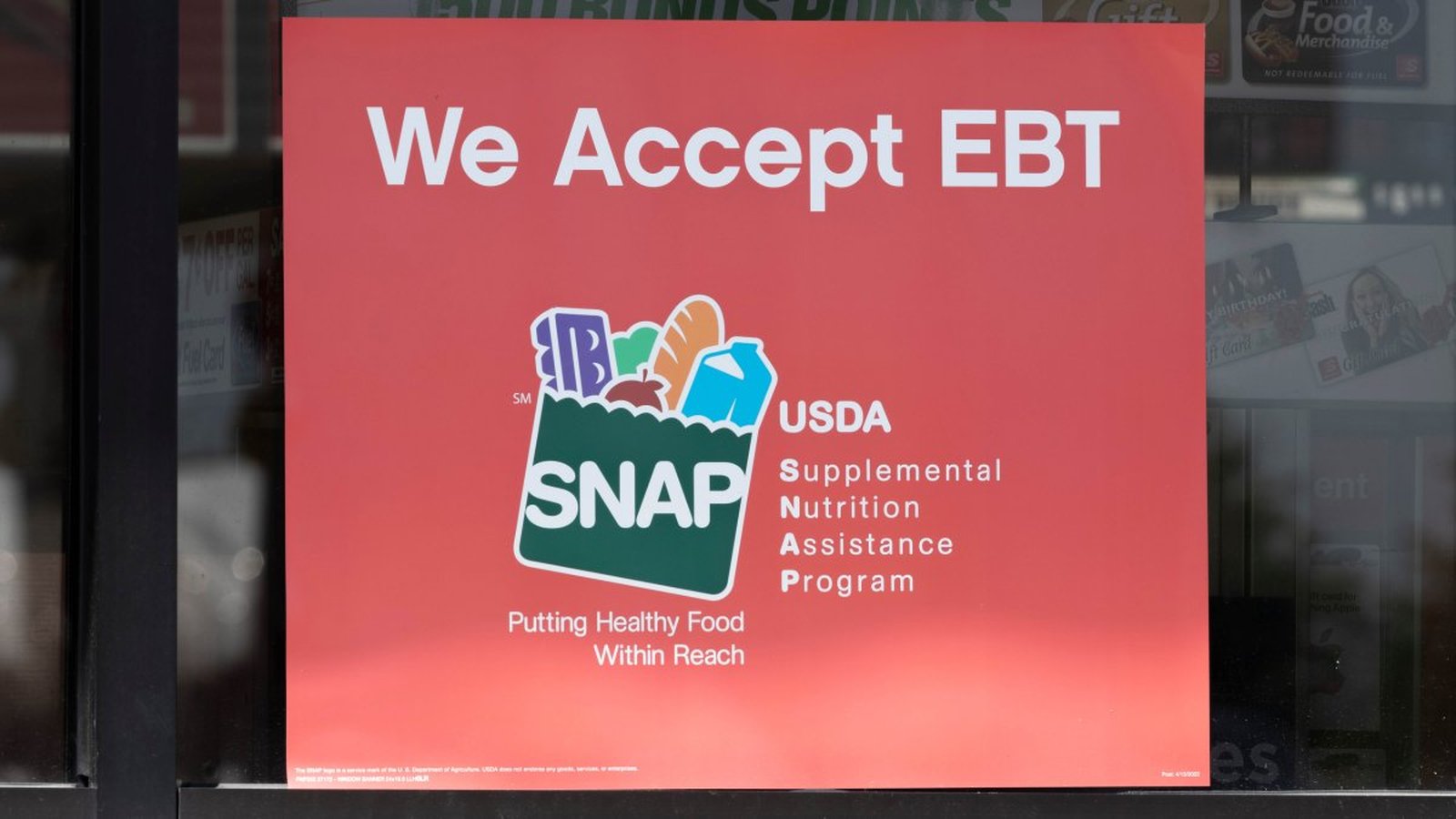
WASHINGTON — The largest food assistance safety net in the United States is undergoing its most drastic transformation in decades. Even before the most structurally disruptive elements of the overhaul take effect, the impact of the legislative changes is already felt in households across the country. According to preliminary federal data, more than 4 million Americans—including over 1 million children—have lost access to critical food assistance over a nine-month period, raising concerns among social advocates, state administrators, and economic analysts alike.
The Supplemental Nutrition Assistance Program (SNAP), historically referred to as food stamps, has experienced a rapid and continuous drop in enrollment. This contraction followed the passage of the “One Big Beautiful Bill Act” (also known as H.R. 1), a sweeping Republican tax and spending package signed into law by President Donald Trump. At the time of its passage, the White House defended the tightening of SNAP, characterizing the program as “bloated” and emphasizing that its core mission should be to provide “temporary help for those who encounter tough times.” However, the velocity and scale of the resulting participation decline have alarmed child advocacy groups and policy experts, who warn of a growing sense of desperation among low-income families.
A Sweeping Overhaul: The Legislative Catalyst
The legislative vehicle driving these changes, H.R. 1, enacted deep structural modifications to SNAP, including a projected funding reduction of approximately $186 billion over the next ten years—amounting to a near 20% cut. Prior to the law’s passage, an average of 42 million Americans received monthly SNAP benefits to help purchase groceries, representing roughly one in eight citizens. By April 2026, preliminary data from the United States Department of Agriculture (USDA) revealed that total enrollment had plummeted to approximately 37 million people, representing an 11% to 12% national decline. This rapid contraction has effectively rolled back household participation to levels not seen since early 2020, prior to the onset of the COVID-19 pandemic.
The Human Toll: Work Requirements and Exclusions
The primary policy mechanism driving this decline is the expansion of mandatory work requirements. Under the provisions of the new law, able-bodied adults without dependents must document at least 80 hours of work or volunteering per month to remain eligible for food assistance. Crucially, H.R. 1 expanded the age bracket subject to these requirements, raising the upper limit from 54 to 64 years of age. These strict mandates now apply to a much broader segment of the population, including veterans, unhoused individuals, young adults transitioning out of foster care, parents with teenagers aged 14 to 17, and older adults aged 55 to 64.
The Congressional Budget Office (CBO) estimates that these heightened work requirements alone will reduce SNAP participation by an average of 2.4 million people per month over the 2025–2034 period. In addition to work requirements, the tax law also eliminated federal food aid eligibility for certain noncitizen groups. While the vast majority of SNAP recipients are native-born or naturalized U.S. citizens, vulnerable immigrant populations—including refugees, asylum seekers, and victims of domestic abuse or human trafficking—are now entirely excluded from the federal program.
The “Canary in the Coal Mine”: State-Level Disparities
The real-world consequences of these policy shifts have manifested unevenly across the country, with several states experiencing severe drops in participation. Arizona has emerged as the national epicenter of this contraction, with SNAP enrollment falling by nearly 55% between April 2025 and April 2026—representing a reduction of more than 400,000 participants. For the first time in the state’s history, more Arizonans are visiting emergency food banks each month than are enrolled in the federal SNAP program, according to the Arizona Food Bank Network.
“We think of ourselves as the canary in the coal mine,” said Natalie Jayroe, CEO of the Community Food Bank of Southern Arizona, warning that the state’s current crisis offers a terrifying preview of what other states may soon face. Significant double-digit declines also occurred in Georgia, Florida, Louisiana, and Oklahoma, with Florida and Louisiana reporting some of the sharpest drops in household participation. Conversely, New Mexico continues to report the highest per capita rate of SNAP participation in the country, with 20,800 recipients per 100,000 residents, while Wyoming remains the lowest at 4,200 per 100,000.
Administrative Strain and the Debate Over Declining Numbers
The dramatic drop in participation has sparked a intense debate over its underlying causes. In April, Agriculture Secretary Brooke Rollins defended the decline, suggesting it reflected positive economic trends and the removal of ineligible participants. “A lot of it is people taking the program that shouldn’t have been, and then a lot of it is just a better economy,” Rollins stated during an appearance on Fox Business. The USDA also released a statement noting that participation in benefit programs naturally fluctuates and cannot be attributed to any single policy.
However, policy analysts are highly skeptical of this economic narrative. Katie Bergh, a senior policy analyst at the Center on Budget and Policy Priorities (CBPP), pointed out that national unemployment has remained largely flat over the past year while grocery prices have continued to rise. “What that’s telling us is that this is not happening because fewer people need help affording groceries. It’s the result of these policy changes,” Bergh argued.
Furthermore, state administrative agencies are buckling under severe staffing shortages and paperwork backlogs. A survey conducted by the Urban Institute and the American Public Human Services Association (APHSA) revealed that 15 out of 39 responding states are actively prioritizing payment accuracy over the timeliness of distributing benefits in an effort to avoid federal penalties. This administrative shift has resulted in severe backlogs, leaving eligible families struggling to reach caseworkers or provide the extensive documentation now required to maintain their benefits.
The Impending Fiscal Cliff: October’s Funding Shift
While the current eligibility restrictions have already caused significant disruption, a far more severe fiscal challenge is set to take effect in October 2026. Historically, the federal government split administrative and operational costs 50-50 with state governments. Under the new law, this model will be radically restructured: the federal share will drop to 25%, forcing states to shoulder 75% of administrative expenses. Furthermore, starting in October 2027, the federal government will penalize states with benefit error rates—encompassing both overpayments and underpayments—at or above 6%. Given that the USDA reported $10 billion in improper payments last year, the CBPP estimates that nearly half of all states could face penalties of $100 million or more. According to the Georgetown Center on Poverty and Inequality, states will need to spend two to three times more on SNAP administrative costs to maintain the program. Faced with these soaring costs, 29% of surveyed states indicated they are considering further narrowing eligibility, while 11% warned they may pause or completely withdraw from the program. Lexie Kuznick, policy director at APHSA, described this as an ‘existential crisis’ for the future of SNAP.
Legal Resistance and Local Relief Measures
The contraction of SNAP is also triggering significant legal resistance and local intervention. In federal court, New York Attorney General Letitia James is leading a coalition of 21 Democratic attorneys general—including Washington AG Nick Brown and representatives from California, Massachusetts, New Jersey, and Wisconsin—in a lawsuit against the Trump administration. The lawsuit challenges recent USDA guidance that excludes certain immigrant groups and demands the turnover of personal information of SNAP recipients to investigate immigration violations, arguing that such measures violate federal confidentiality protections. Meanwhile, some states are scrambling to establish local safety nets. In Illinois, where 148,000 residents lost benefits since May, the state launched the FRESH Program on August 1, 2026. The program provides a one-time $400 deposit on LINK cards for approximately 100,000 eligible residents to ease the transition. However, such localized efforts are temporary and cannot replicate the scale of the federal program. Beyond the immediate impact on low-income families, the National Grocers Association estimates that the decline in food aid will drain nearly $88 billion from grocery store sales nationwide through 2034, threatening the economic stability of entire communities.