


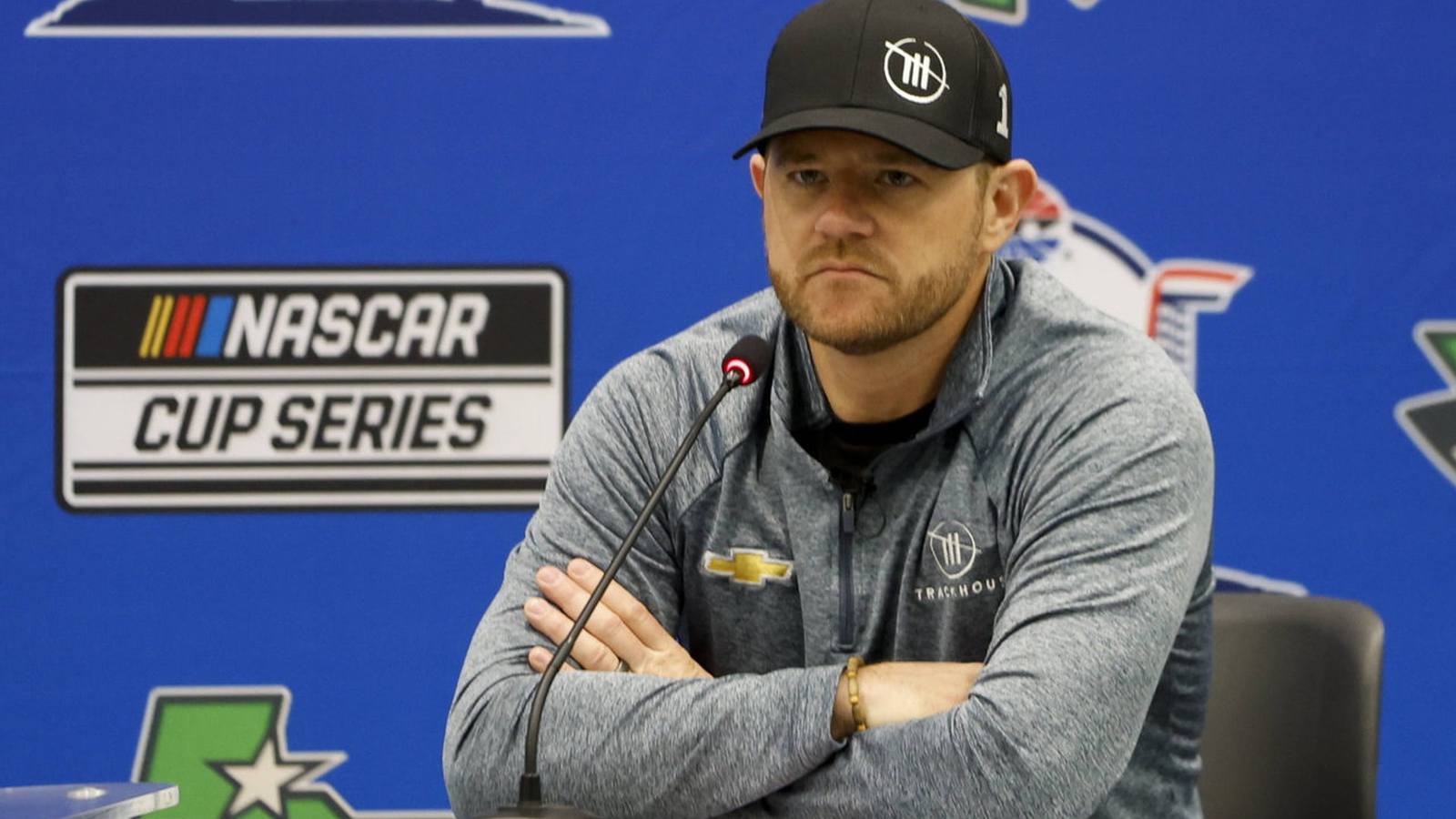
Trackhouse Racing founder Justin Marks has outlined the leadership philosophy behind the organization’s rapid growth into a multi-discipline racing empire spanning NASCAR and MotoGP, reporting in an article published by EssentiallySports on November 27, 2026. Rather than attributing the team’s evolution from a single NASCAR Cup entry in 2021 into an international operation with more than 220 employees to a flawless decision-making process, Marks emphasized that recognizing and embracing missteps is foundational to long-term success.
In a recent Instagram video, the Trackhouse founder noted that errors are an inevitable part of competitive motorsport. Rather than attempting to hide missteps, Marks advocates for celebrating and leaning into them to sharpen future decisions, a process that begins with a direct question: “What did I do wrong?” That willingness to critically examine failures underpins the organization’s current structure across multiple major racing series.
From Single-Car Entry to Multi-Series Operations
Marks brings roughly two decades of driving experience to his leadership role, including a GT-class victory at the 2009 Rolex 24 at Daytona and an Xfinity Series win at Mid-Ohio in 2016. After stepping away from full-time driving at age 39 to focus on organizational growth, he founded Trackhouse in 2020. The team made its NASCAR Cup debut in 2021 with driver Daniel Suárez in the No. 99 Chevrolet.
The operation accelerated significantly when Marks acquired Chip Ganassi Racing’s NASCAR assets midway through 2021, expanding Trackhouse to a two-car team for the 2022 season. Competitive success followed quickly. Suárez secured his first Cup victory at Sonoma, while teammate Ross Chastain won twice and reached the Championship 4, cemented by his wall-riding “Hail Melon” maneuver at Martinsville.
Expanding Boundaries in NASCAR and MotoGP
Beyond traditional stock car competition, Trackhouse utilized experimental initiatives such as Project91 to bring international talent into the Cup Series, including former Formula One champion Kimi Räikkönen. The strategy yielded a major breakthrough when three-time Supercars champion Shane van Gisbergen won his Cup debut at the 2023 Chicago Street Race, leading to a full-time Cup drive in 2025.
The organization’s ambitions extended beyond stock car racing when Trackhouse joined MotoGP in 2024 as an American-owned team fielding Aprilia machinery. Raúl Fernández secured the team’s first premier-class victory at Phillip Island in October 2025. In April 2026, Marks told Motorsport.com that MotoGP needed to take calculated risks to expand its presence in the American market.
External Investments and Roster Challenges
Strategic growth has drawn outside financial backing. On October 14, 2026, global sports investment platform 1936 announced a significant minority investment in the Trackhouse MotoGP team, joining Marks and Avenue Sports Fund as shareholders to support future development.
At the same time, the organization continues to navigate competitive roster pressures. Trackhouse backed rising prospect Connor Zilisch, who is scheduled to join Hendrick Motorsports for the 2028 season after competing through 2027 with the No. 88 team. Marks acknowledged that retaining and supporting young talent requires constant operational improvement.
By treating setbacks as diagnostic tools rather than liabilities, Trackhouse aims to maintain its competitive edge against established rivals across both NASCAR and MotoGP.