


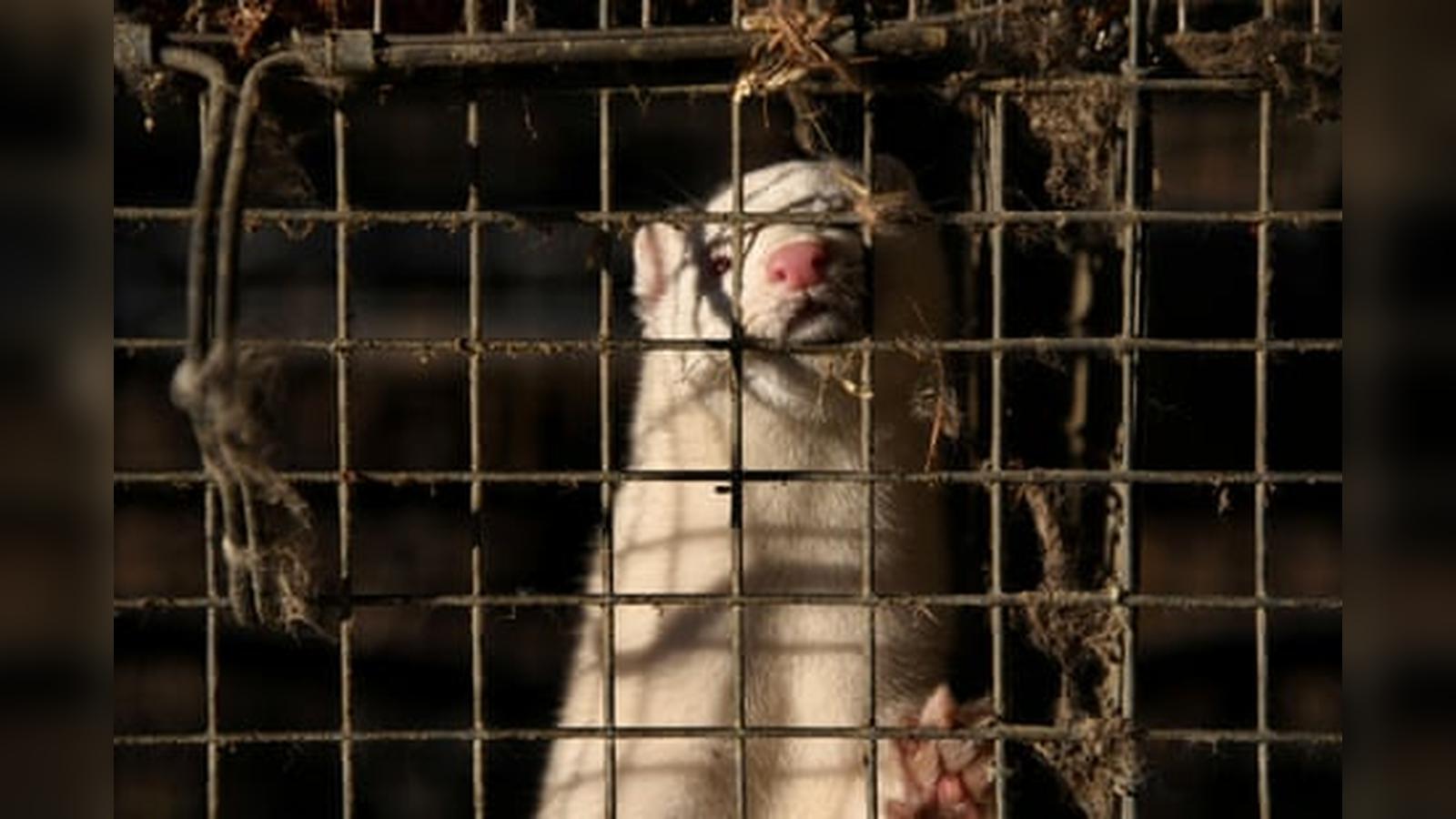
Outbreak and Regulatory Deadlock in Utah
A prolonged bird flu outbreak at C&T Fenn Farms, located about an hour south of Salt Lake City, has persisted for two months without a mandatory cull of the thousands of raised mink, The Guardian reported in an article published on October 25, 2026. State veterinarian Amanda Price sought assistance from federal agencies after learning of the deaths in mid-August, according to records obtained by ProPublica. However, U.S. Department of Agriculture officials reportedly declined to intervene, stating they did not regulate mink or maintain an approved vaccine for the species.
While poultry outbreaks trigger mandatory flock depopulation under federal rules with financial reimbursement, no equivalent federal framework exists for mink farms. A fur trade representative warned state officials that culling the animals would devastate the commercial operation, while outside researchers described the lack of prompt depopulation as alarming given the susceptibility of mink to respiratory viruses that affect humans.
Infectious Disease Concerns and Worker Monitoring Gaps
Infectious disease specialists have raised questions regarding the federal and state response, pointing to potential risks for farm workers who handle infected animals. Jennifer Nuzzo, an epidemiology professor and director of the pandemic center at Brown University School of Public Health, noted that transparency is critical during animal outbreaks to prevent public health threats, though she added that current signals do not indicate active human-to-human transmission.
Despite Centers for Disease Control and Prevention guidance urging authorities to monitor and test symptomatic agricultural workers, state and local officials did not actively track worker health or test individuals, according to reporting by ProPublica. Investigators identified two farm employees, including one exhibiting a red eye—a symptom that federal health guidelines suggest should prompt diagnostic testing. The farm owner stated that the worker had dust in his eye and that state health authorities did not advise testing.
Federal Communication and Oversight Criticisms
Experts have also criticized the broader federal apparatus under the second Trump administration for reduced communication channels regarding emerging agricultural pathogens. Nuzzo stated that federal agencies no longer hold regular briefings with external epidemiologists to discuss virus response strategies, limiting external oversight and independent scrutiny of containment measures.
Tom Peacock, an avian influenza researcher at the Pirbright Institute, emphasized that swift animal depopulation remains standard international practice to prevent viral reassortment during mammalian outbreaks. As state and federal agencies navigate jurisdictional limits between agricultural commerce and public health protection, disease specialists continue to call for enhanced monitoring of exposed personnel and clearer regulatory standards for fur-bearing animals.