


Major airlines are preparing for widespread operational disruptions this summer as the ongoing closure of the Strait of Hormuz continues to choke global jet fuel supplies. Industry leaders warn that if the transit route remains blocked, travelers could face 5% to 10% flight cancellations throughout the peak travel months of May, June, and July.
Strait of Hormuz Closure Drives Fuel Crisis
The blockade of the Strait of Hormuz, a critical artery for global energy, has effectively removed approximately 15 million barrels of crude oil from daily transit. Because a significant portion of the world’s jet fuel refining capacity is concentrated in the Gulf, the supply chain has been severely compromised. According to reports from Reuters and industry analysts, airports in regions as diverse as Italy and the UK are already experiencing localized refueling restrictions, forcing carriers to adjust their schedules preemptively.
Airlines Implement Contingency Measures
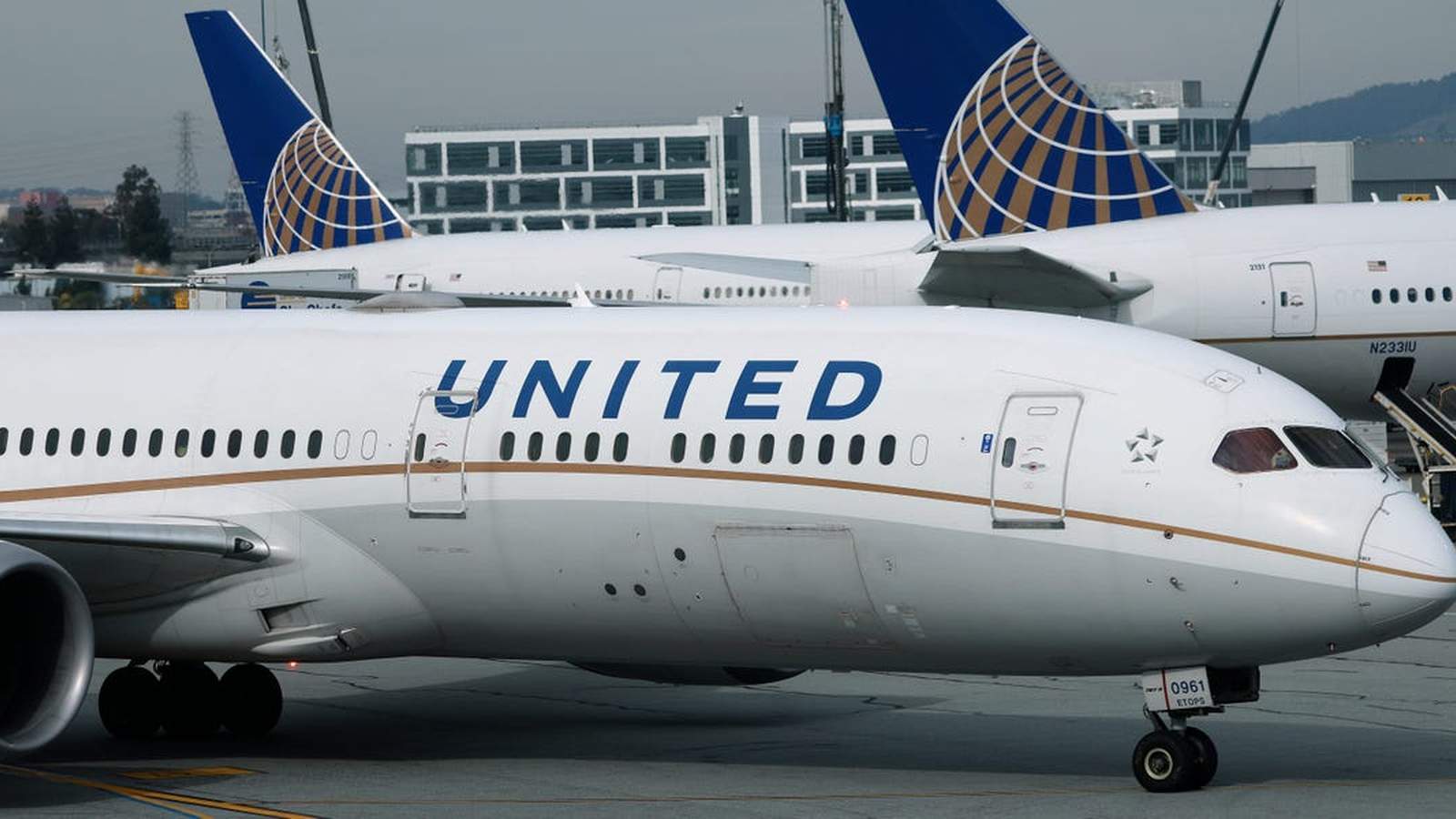
Ryanair CEO Michael O’Leary recently confirmed that the industry is navigating an “unknown scenario,” noting that airlines may soon be forced to ground aircraft with little advance notice based solely on local fuel availability at specific hubs. In the United States, carriers such as United Airlines have signaled that they are tactically pruning unprofitable routes to manage the impact of fuel costs, which have nearly doubled in some markets compared to pre-conflict levels.
Summer Travel Outlook and Operational Risks
While industry experts suggest that the vast majority of flights are still expected to operate, the volatility of the supply chain remains a primary concern for major hubs like London Heathrow, where high flight density makes it particularly vulnerable to fuel shortages. Travelers are being advised to book early to lock in current fares, though analysts caution that the risk of last-minute cancellations remains elevated compared to previous years. Bloomberg data indicates that carriers are already exploring internal cost-reduction measures and capacity shifts to mitigate the financial strain of record-high fuel prices.
The potential for systemic flight cancellations represents a significant escalation in the economic fallout of the regional conflict, signaling that the aviation sector’s dependence on centralized energy transit routes has become a critical vulnerability that may necessitate a fundamental shift in how global air travel schedules are managed long-term.