


The End of an Era
On November 5, 2026, Cristiano Ronaldo officially announced his retirement from international football, bringing an end to a 23-year tenure that established him as one of the most prolific figures in the history of the sport. The 41-year-old forward, who holds the record for the most international appearances (234) and goals (146) in men’s football, confirmed his departure via an Instagram video, signaling a transition for the Portuguese national team just one day before head coach Jorge Jesus was set to announce the squad for upcoming UEFA Nations League fixtures against Denmark and Wales, as reported by ESPN.
The announcement follows a period of significant turbulence within the Portugal camp. Ronaldo had recently served a 30-day suspension imposed by the Portuguese Football Federation (FPF) after walking out of the national team during the previous international window. The disciplinary action stemmed from a high-profile, acrimonious disagreement between the veteran captain and manager Jorge Jesus regarding playing time expectations. While Ronaldo apologized to his teammates for his sudden departure, he notably maintained his grievances against Jesus, alleging that the coach had failed to honor previous commitments regarding his role on the pitch.
A Legacy of Records and Friction
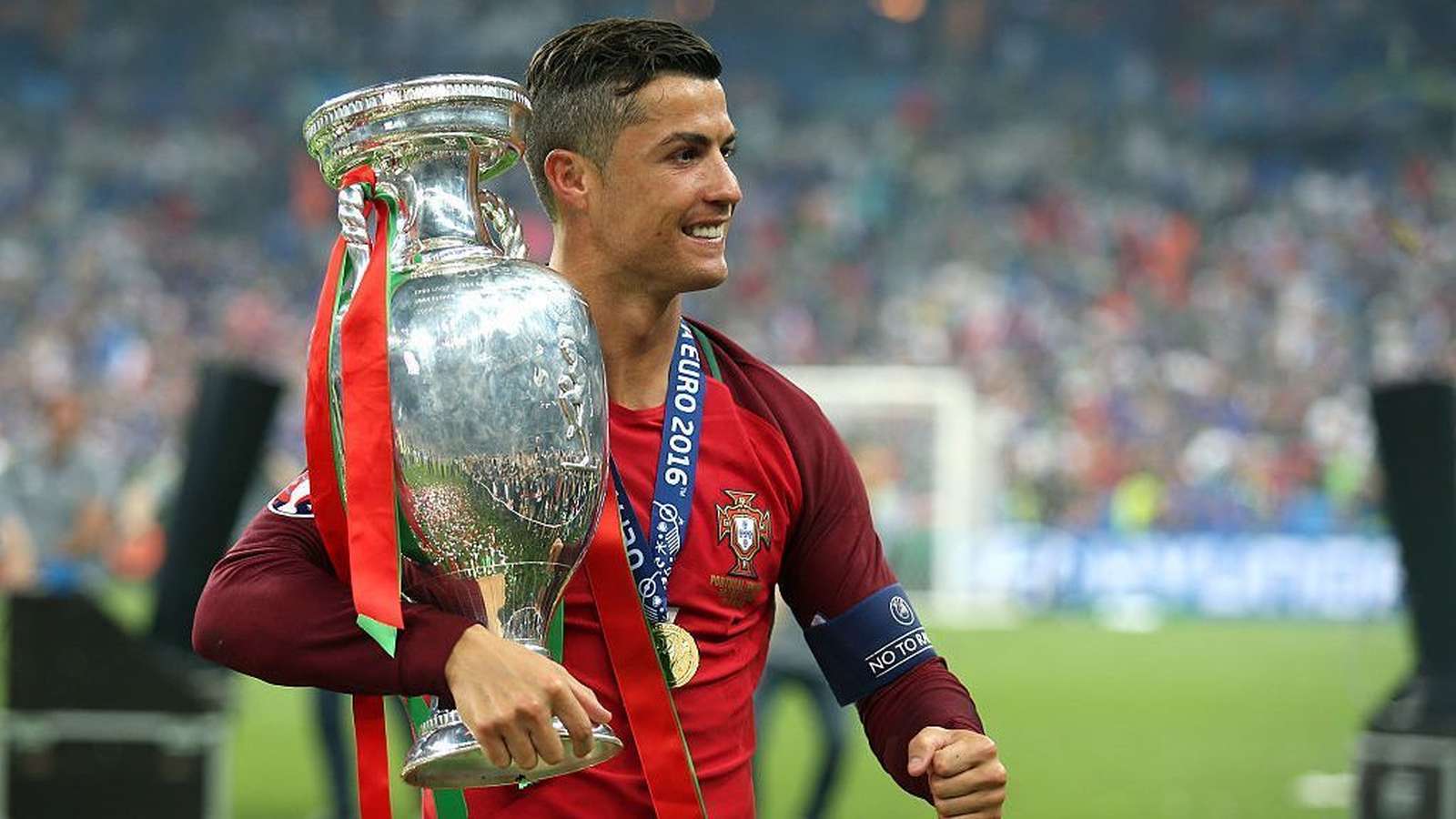
Ronaldo’s final chapter stands in stark contrast to his earlier contributions, which saw him lead Portugal to historic triumphs, including the Euro 2016 title and the inaugural UEFA Nations League trophy in 2019, with a second title following in 2025. Despite these successes, his recent international appearances became increasingly infrequent. He played his final match for Portugal on September 24, 2026, in a 1-0 victory over Wales, and was subsequently named an unused substitute during the October 4 win against Norway—the first time he had been benched for an entire match in 18 years.
The FPF has attempted to balance the narrative, releasing an official statement that expressed “deepest and most enduring gratitude” to the player while acknowledging his status as an “inspiring leader.” Prime Minister Luís Montenegro also publicly thanked the forward, emphasizing his role as a global ambassador for the nation. The Federation has indicated its intention to organize a formal tribute for the player at a later date, while simultaneously encouraging him to pursue his stated goal of reaching 1,000 career goals, a milestone for which he remains 15 goals shy.
Institutional Stakes
The departure marks a critical juncture for the Portuguese national team as it pivots toward a new era without its long-time talisman. For the FPF, the challenge lies in managing the transition away from a figure whose influence often transcended the technical aspects of the game. The public nature of the fallout with Jorge Jesus highlighted the growing tension between the traditional deference afforded to veteran icons and the tactical control demanded by modern coaching structures. By moving to resolve the conflict through suspension and eventually accepting the retirement, the federation has signaled a desire to stabilize the squad dynamics ahead of future international cycles.
Furthermore, the incident underscores the complexities of managing older, elite athletes who remain active in club football—in this case, Al Nassr—while competing for international spots. Ronaldo’s admission that he felt the time had come to hand over the “number seven shirt” acknowledges the generational shift currently underway. As the FPF prepares to honor his legacy, the focus now shifts to how the team will integrate new leadership and adapt to a roster that no longer revolves around the specific demands of a player who defined a generation of Portuguese football.