


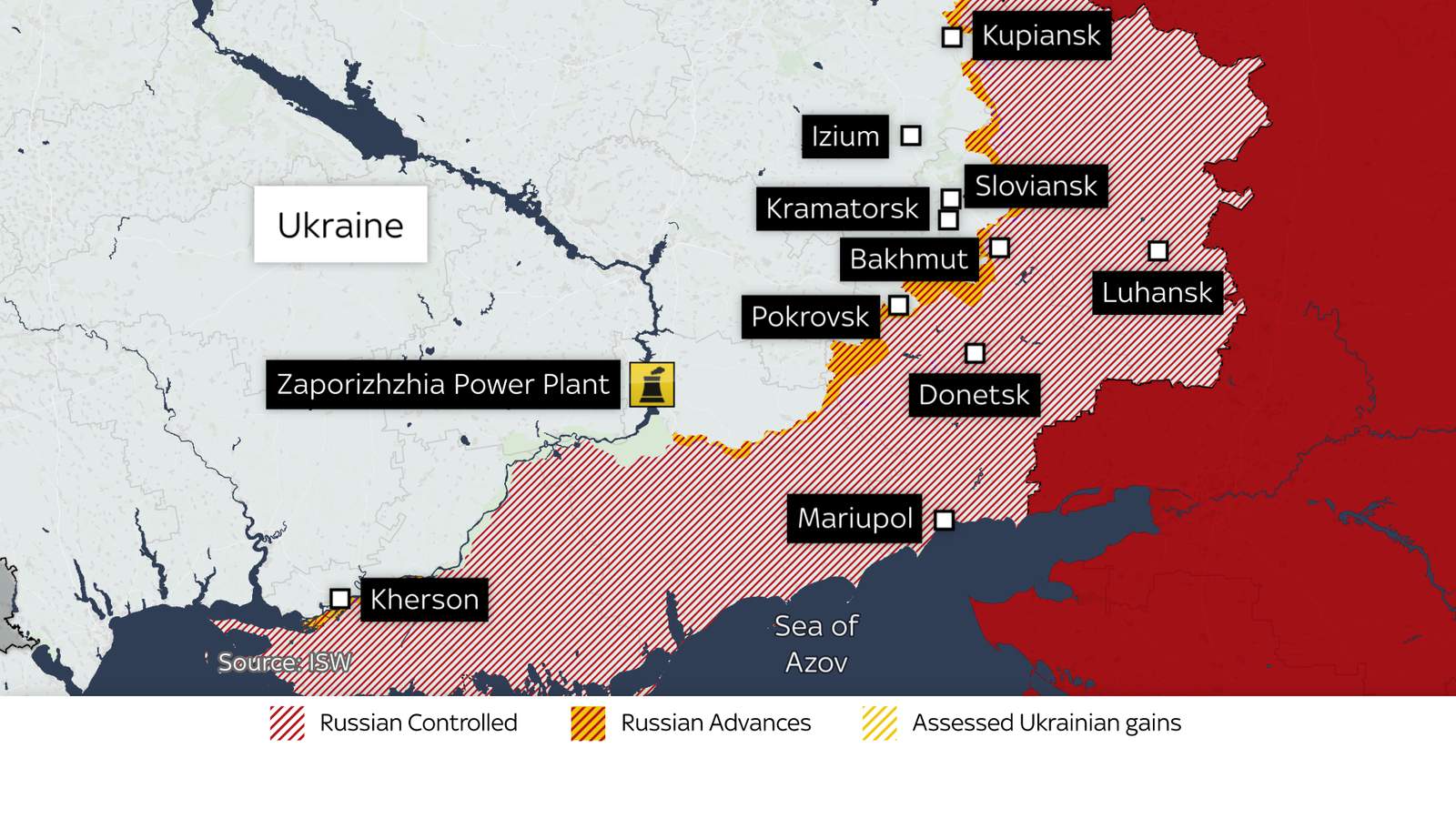
The Donbas region, a strategically vital and resource-rich part of eastern Ukraine, has once again become the focal point of international negotiations, as global powers grapple with the ongoing Russia-Ukraine war. On August 15, 2025, a high-stakes summit in Alaska between U.S. President Donald Trump and Russian President Vladimir Putin sought to broker a peace deal, yet the proposed concessions have sparked fierce debates among Ukraine, its Western allies, and global observers.
The Alaska Summit: A Turning Point in Negotiations
The meeting in Alaska marked the first direct negotiation between Trump and Putin since the onset of the war in February 2022. According to Sky News, the discussions revolved around a controversial proposal: Ukraine ceding the Donbas region, comprising Donetsk and Luhansk, in exchange for a halt to Russian offensives and a freeze of the current frontlines. While no formal agreement was reached, Trump later briefed European leaders and Ukrainian President Volodymyr Zelenskyy on August 16, outlining the potential terms of the deal.
Putin’s demands center on full control of Donetsk and Luhansk, areas already heavily contested and partially occupied by Russian forces. The Kremlin argues that such a concession would pave the way for a long-term settlement, but critics warn that it could embolden Moscow to pursue further aggression in the future. As The Guardian reported, Trump supported the idea of moving directly to a peace agreement, bypassing a preliminary ceasefire, a move that has raised eyebrows among Ukraine’s European allies.
Why Donbas Matters: Strategic and Economic Implications
The Donbas region is not just a battleground; it is a linchpin of Ukraine’s economy and defense strategy. Rich in coal and heavy industry, Donbas has long been an industrial powerhouse, critical to Ukraine’s energy and economic stability. Losing control of this region would deal a severe blow to Kyiv’s financial and strategic position.
From a military perspective, Donbas serves as a “fortress belt,” with fortified cities like Kramatorsk and Sloviansk acting as bulwarks against Russian advances. According to military analyst Michael Clarke, quoted by Sky News, surrendering these positions could leave Ukraine vulnerable to future offensives, potentially opening the path for Russia to target key cities such as Kharkiv and Dnipro.
Elina Beketova from the Centre for European Policy Analysis told The Independent that losing Donbas would be “catastrophic” for Ukraine, as it would shift the frontlines significantly westward. This would not only erode Ukraine’s defenses but also undermine its sovereignty and territorial integrity, a stance that Kyiv has vehemently defended since the war began.
Ukraine’s Firm Stance and Zelenskyy’s Rejection
Ukrainian President Volodymyr Zelenskyy has categorically rejected the idea of ceding Donbas, calling it unconstitutional and a betrayal of Ukraine’s sovereignty. In a statement following his conversations with Trump and European leaders, Zelenskyy emphasized that Donbas is not just a piece of land but a symbol of resistance and a critical defensive shield against Russian expansionism. “Donbas for the Russians is a springboard for a future new offensive,” he stated.
As reported by Caliber.Az, Zelenskyy argued that withdrawing Ukrainian forces from Donetsk and Luhansk would dismantle years of painstakingly built defenses and leave the country exposed to further aggression. He also underscored the broader implications for international law, warning that conceding territory under duress would set a dangerous precedent for global conflicts.
European leaders have echoed Zelenskyy’s concerns, reaffirming their support for Ukraine’s territorial integrity. In a joint statement, leaders from Germany, France, and the UK emphasized that international borders cannot be redrawn by force and called for a just and lasting peace that respects Ukraine’s sovereignty.
Global Reactions: A Divided Front
The proposed peace plan has elicited mixed reactions on the global stage. While Trump’s push for a direct peace agreement aligns with his broader strategy of minimizing U.S. involvement in foreign conflicts, it has drawn criticism for potentially undermining Ukraine’s position. European leaders, including German Chancellor Friedrich Merz and French President Emmanuel Macron, have expressed skepticism, cautioning that bypassing a ceasefire could give Russia an upper hand in negotiations.
According to Fox News, Trump has threatened economic penalties on countries that continue to buy Russian oil, signaling his intent to pressure Moscow into compliance. However, critics argue that such measures are unlikely to offset the strategic gains Russia would achieve by consolidating control over Donbas.
Meanwhile, Canada’s Prime Minister Mark Carney has called for robust security guarantees for Ukraine as part of any settlement, a sentiment echoed by European allies. The question remains whether these guarantees would be sufficient to deter future Russian aggression, especially in the absence of NATO membership for Ukraine, a long-standing aspiration that Moscow vehemently opposes.
What Lies Ahead
As the international community watches closely, the stakes for Ukraine, Russia, and their allies could not be higher. Zelenskyy is set to meet with Trump in Washington on August 18, where the Ukrainian leader is expected to reiterate his opposition to territorial concessions and push for stronger security assurances. European leaders have also signaled their intent to participate in future discussions, emphasizing the need for a multilateral approach to resolving the conflict.
For Ukraine, the battle for Donbas is about more than land; it is a fight for sovereignty, security, and the principles of international law. For Russia, gaining full control of the region would solidify its grip on eastern Ukraine and bolster its negotiating position in any future talks. As the world waits for the next chapter in this protracted conflict, one thing is clear: the road to peace remains fraught with challenges and uncertainties.
The outcome of these negotiations will not only shape the future of Ukraine but also set a precedent for how the international community addresses conflicts over territorial integrity and sovereignty in the years to come.