


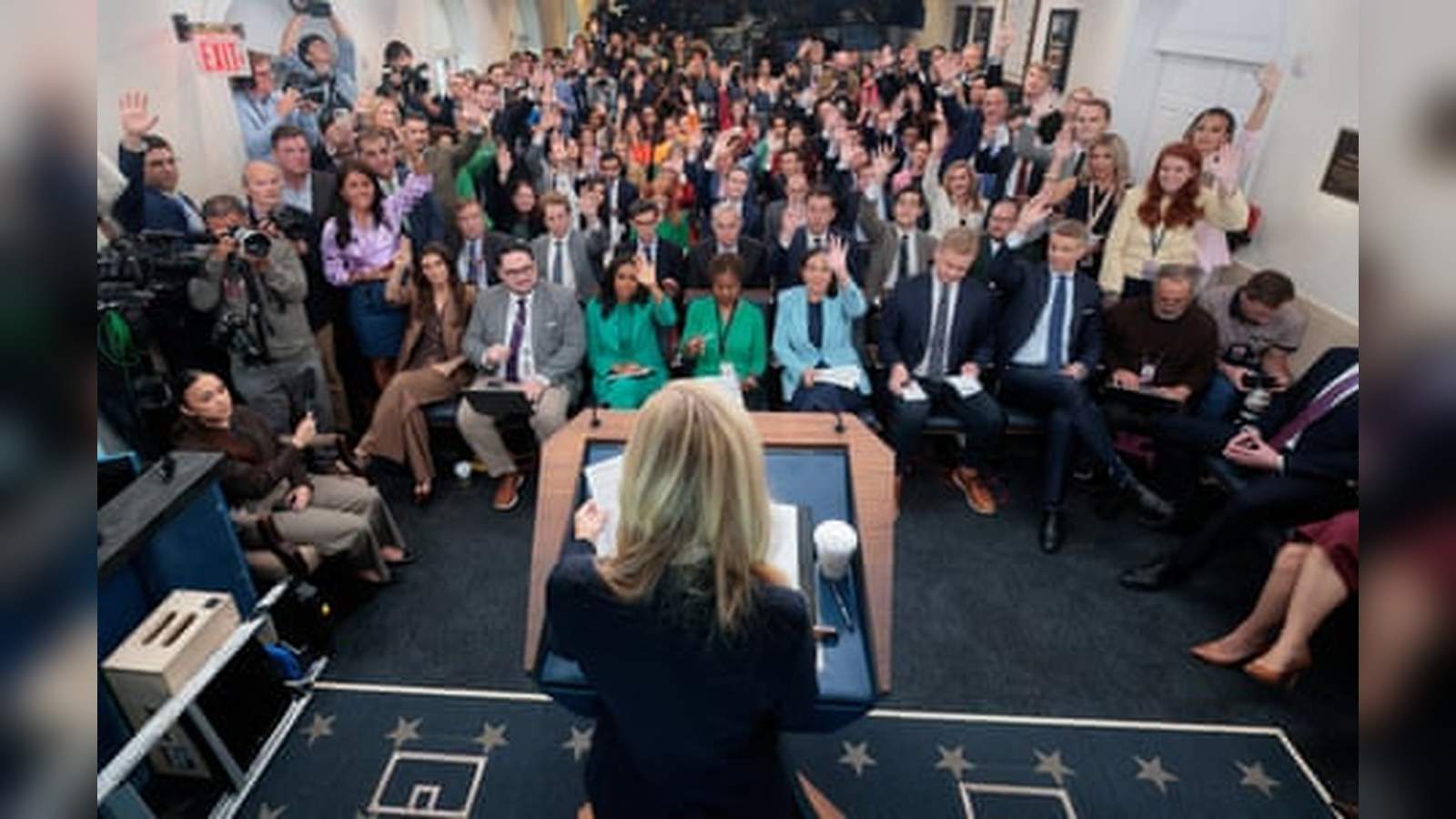
The underlying legal battle stems from a mid-September directive by President Donald Trump revoking the permanent press credentials, or “hard passes,” held by employees of the three outlets. The administration justified the sudden expulsion by labeling the organizations’ coverage as “FAKE NEWS,” prompting the media coalition to file a civil suit on September 21 alleging violations of due process and First Amendment protections.
Due Process and First Amendment Claims
During arguments at the E Barrett Prettyman Federal Courthouse in Washington, Judge Kelly underscored procedural shortcomings by the federal government, noting that the administration failed to provide advance notice or an opportunity to respond before stripping the journalists of their credentials. The judge cited binding D.C. Circuit Court of Appeals precedent, which establishes that while White House access is not an unconditional right, established credentials cannot be summarily revoked without adequate due process.
Going further than his initial emergency order, Kelly wrote in his Tuesday opinion that the plaintiffs are likely to succeed not only on their due process claims but also on two distinct First Amendment claims alleging viewpoint discrimination and unconstitutional retaliation.
“President Trump’s own comments suggest that he intended the revocation of Plaintiffs’ hard passes to alter their reporting on him,” Kelly wrote, adding that the administration’s actions are sufficient to deter a reasonable journalist from covering the presidency independently.
Assessing the Administration's Defense
Lawyers representing the federal Department of Justice attempted to defend the credential revocation partly on national security grounds. However, Judge Kelly dismissed the argument, pointing to a lack of administrative record supporting it at the time the ban was implemented.
“There is no evidence in the record that President Trump made the decision to revoke Plaintiffs’ hard passes on national security grounds from the get-go, nor at any time has he directly stated that national security was the reason for his decision,” Kelly wrote, characterizing the national security rationale as a post-hoc justification.
The judge also addressed public statements made by the president, including a recent interview with The Guardian, which media attorney Theodore J Boutrous Jr. argued amounted to an explicit confession that the ban was enacted to punish critical reporting. Boutrous praised the court’s decision, stating that the administration blatantly violated constitutional safeguards to force favorable coverage.
Scope of the Injunction and Remaining Limits
While the preliminary injunction preserves entry to the general White House complex for reporters from CNBC and other reporting teams, the legal remedy comes with practical limitations. The administration has interpreted the court’s prior relief as applying strictly to physical building access rather than restricted operational spaces such as the Oval Office or traveling pools aboard Air Force One.
Judge Kelly ordered the media plaintiffs to post a nominal bond of $1 as the litigation proceeds toward a formal trial on the merits, a process that legal experts note could take several months.