


Operational Impact on Frontline Missions
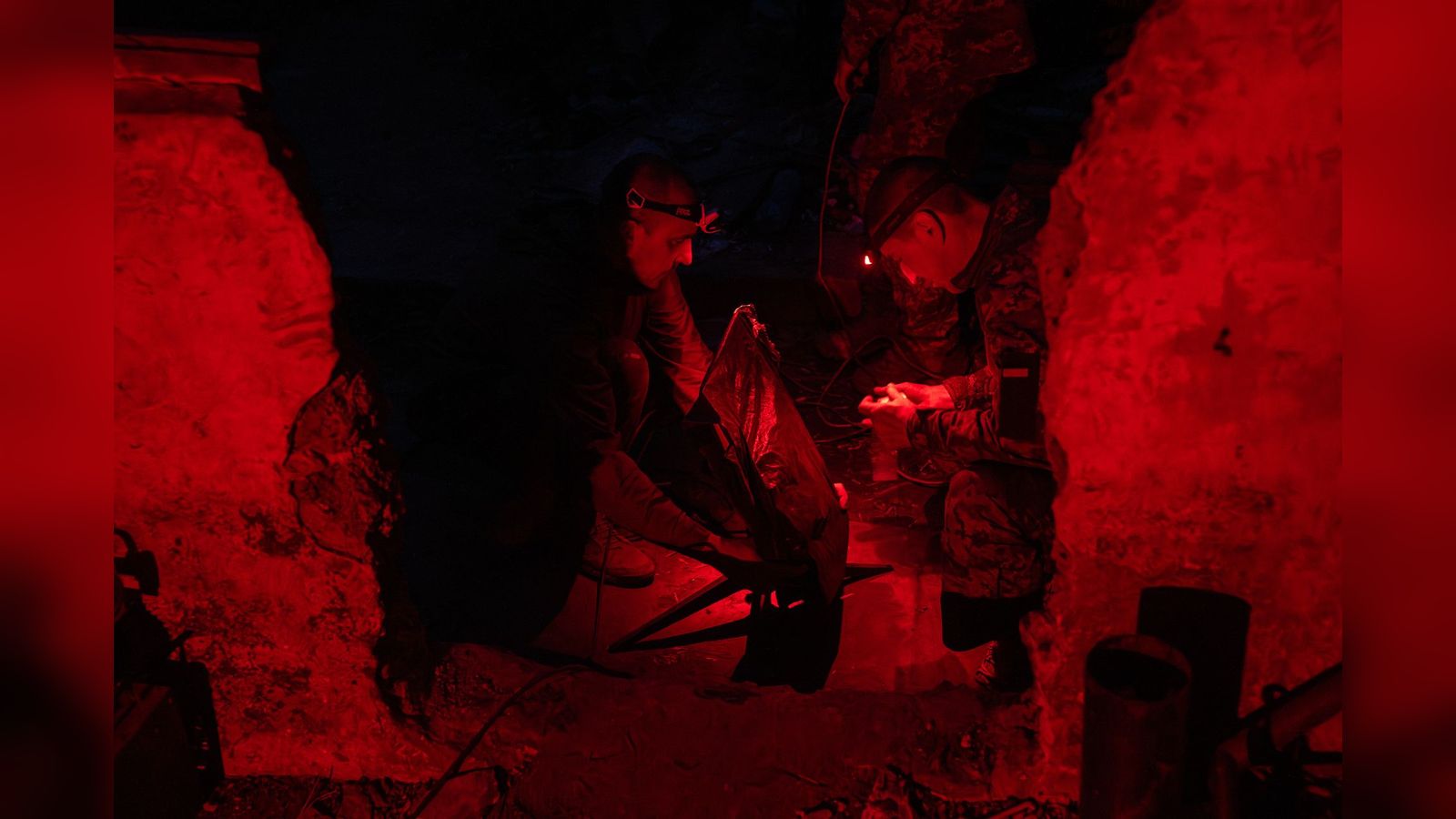
SpaceX has implemented unannounced speed restrictions on Starlink terminals utilized by Ukrainian military forces, significantly impacting the efficacy of drone operations. According to Serhii Beskrestnov, an adviser to the Ukrainian president, the restrictions were applied to the “Starshield” military service package, effectively capping the terminal speed at 100 miles per hour (160 kilometers per hour). This sudden technical adjustment has rendered several defense missions non-functional, as drone operators rely on the high-speed satellite network to maintain stable connections during high-velocity flight paths.
The Kyiv Independent reports that the disruption became apparent on the night of October 13, with military personnel discovering the limits as active missions failed. A source within the Ukrainian Armed Forces confirmed to Meduza that while standard Starlink terminals are capable of operating at these speeds, the specialized Starshield service had previously provided the necessary bandwidth and stability for more complex military applications. The loss of connectivity has forced units to ground several drone assets that are critical for monitoring and striking logistics lines in occupied territories.
Drone operators have reported that their equipment, which relies on the Starshield network to maintain connectivity while in motion, suffered immediate failures. One commander shared video evidence showing drones losing connection as they climbed into the air, effectively grounding assets that are vital for surveillance and precision strikes. These maneuvers often require the high-speed data throughput provided by the Starshield package to manage real-time telemetry and video feeds. The arbitrary cap has introduced a new, critical point of failure for units operating in contested zones, where stable satellite links are the only reliable means of communication.
Geopolitical Context and Speculation
The timing of these restrictions has fueled intense speculation regarding their motivation, with Ukrainian officials suggesting a direct link to broader geopolitical friction. Beskrestnov stated that the move “cannot be a coincidence” and is likely tied to the current political climate surrounding U.S.-Ukraine relations. These tensions have intensified following reports that the U.S. administration has pressured Kyiv to cease strikes on Russian oil infrastructure, threatening to withhold intelligence and military support if operations continue. This diplomatic pressure has been characterized by recent, highly irregular developments in the U.S.-Russia-Ukraine triangle, including reports of a unilateral “energy ceasefire” and threats regarding the future of the Zelensky administration.
Serhii Sternenko, a former adviser to the Ukrainian Defense Ministry, echoed these concerns, suggesting that the measures were likely taken by SpaceX at the behest of U.S. officials. The situation is further complicated by recent reports of missed intelligence alerts regarding Russian missile strikes on Kyiv. President Volodymyr Zelensky has publicly noted that Ukrainian leadership received no early warnings from partners regarding massive ballistic missile attacks on the capital, raising questions about the current state of intelligence sharing between Kyiv and Washington. The lack of warning regarding S-400 missile strikes on October 12 and the subsequent wave on October 13 has left both military and civilian leadership in a state of uncertainty regarding the status of their strategic partnerships.
Reports indicate that Washington informed Kyiv that the lapse in intelligence sharing was due to poor weather conditions, a justification that has been met with skepticism within Ukrainian military circles. The intersection of these intelligence failures and the sudden throttling of satellite connectivity suggests a potentially coordinated effort to restrict Ukraine’s independent military capabilities. Whether this is an attempt to force compliance with U.S. policy objectives regarding Russian energy markets or a technical realignment remains a subject of heated debate among analysts.
Institutional Stakes and Next Steps
The reliance on Starlink for military coordination remains a structural vulnerability for Ukrainian forces. By controlling the access parameters of the Starshield network, SpaceX holds significant leverage over the operational capacity of Ukrainian drone units. As the investigation into the cause of the speed caps continues, the Ministry of Defense is evaluating the impact on ongoing operations. The lack of prior notification from SpaceX has created a critical gap in communication, leaving military commanders to manage equipment failures in the middle of active combat scenarios. While the White House has not issued a formal comment on the Starlink restrictions, the intersection of private satellite service management and national security objectives remains a central point of concern for regional stability.
The broader implications of this move extend beyond the immediate tactical failures. If SpaceX, a private commercial entity, can unilaterally adjust the operational parameters of military-grade infrastructure during an active conflict, the long-term reliability of such partnerships becomes questionable. Ukrainian commanders are now forced to consider alternative communication redundancies, as the dependence on a single provider has exposed them to the whims of corporate and political maneuvering. The ongoing investigation by the Ukrainian Defense Ministry is expected to determine if these restrictions are permanent or temporary, but the damage to operational trust has already been done. Commanders on the ground are currently assessing how to mitigate these limitations, but the loss of high-speed connectivity for mobile assets marks a significant setback in the ongoing effort to maintain technological parity with Russian forces.
As the conflict enters a volatile new phase, the role of satellite technology will only become more pronounced. For Ukraine, the challenge is no longer just the physical battlefield, but the digital and logistical supply chains that underpin their defensive efforts. The silence from SpaceX and the White House only serves to deepen the ambiguity, leaving frontline soldiers and government officials to navigate a landscape where their most critical tools are subject to sudden, unexplained interference. Moving forward, the Ukrainian government will likely seek more robust and sovereign alternatives to avoid being held hostage by the shifting priorities of their international partners and the private companies that support their defense.