


The Conclusion of a Transatlantic Epic
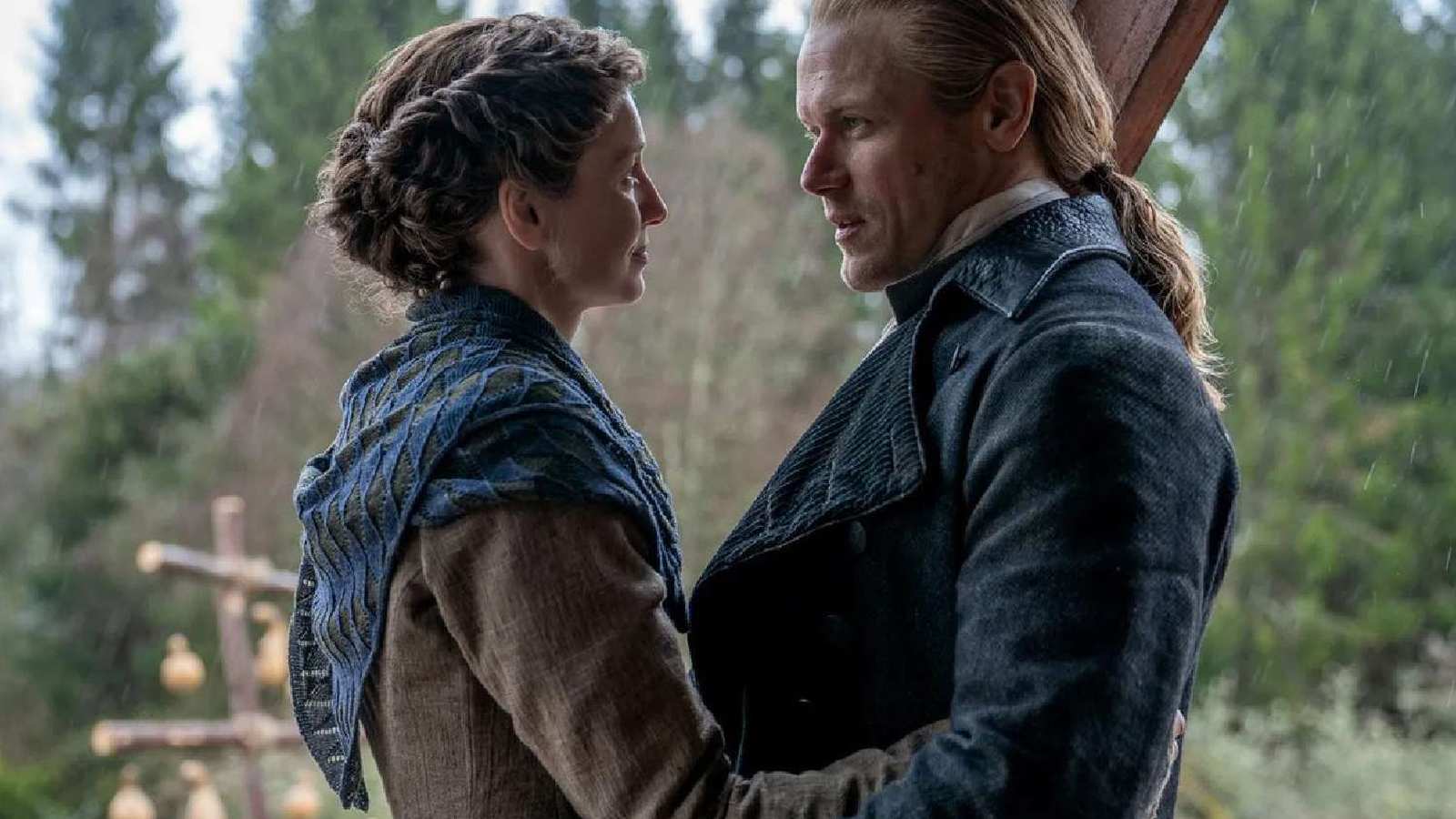
The final season of Starz’s Outlander has officially drawn to a close, marking the end of the sprawling, time-traversing odyssey of Claire and Jamie Fraser. For eight seasons, the adaptation of Diana Gabaldon’s novels has occupied a singular space in television, blending historical drama, high-stakes romance, and speculative fiction. As the credits roll on the final installment, the conversation has shifted from the emotional weight of the conclusion to the intricate production decisions that shaped the series’ legacy.
The Road Not Taken: Black Jack Randall’s Survival
One of the most compelling revelations surrounding the series finale involves the creative process behind the show’s most enduring antagonist, Captain Black Jack Randall. In a recent interview with Entertainment Weekly, showrunner Matthew B. Roberts and the principal cast disclosed that the production team had considered a second resurrection for the villain. Despite the narrative closure achieved at the Battle of Culloden in the Season 3 premiere, producers had filmed scenes depicting Randall’s survival, contingent on author Diana Gabaldon’s approval.
“We really wanted to keep Black Jack alive, the studio and the network really wanted to keep Black Jack alive,” Roberts noted. Ultimately, the creative integrity of the source material prevailed, as Gabaldon rejected the proposal, ensuring the character’s demise. This anecdote serves as a poignant reminder of the tension between network demands for high-stakes conflict and the necessity of narrative consistency in long-running television adaptations.
Strategic Finality and Future Prospects
The production of the final season was marked by extreme secrecy, with the team filming multiple versions of the finale to prevent leaks—a common practice for high-profile intellectual properties in an era of digital spoilers. This approach highlights the immense cultural capital Outlander has accumulated, as well as the industry’s shift toward protecting the “event television” experience.
Looking forward, the franchise is set to pivot toward the prequel series, Outlander: Blood of My Blood. By centering on the origins of Claire’s parents and Jamie’s parents, the prequel offers a structural expansion of the universe. The success of this transition will likely depend on whether the showrunners can leverage the established fan base while introducing enough fresh narrative elements to justify the expansion. The potential for further crossovers between the flagship series and the prequel remains a subject of intense speculation among the fan base, particularly given the franchise’s established non-linear storytelling mechanics.
The conclusion of Outlander signifies more than the end of a single series; it represents the closing of a chapter in historical fantasy television that successfully bridged the gap between literary adaptation and mainstream cultural phenomena. By maintaining a rigorous adherence to core narrative stakes—even when faced with pressure to prolong the lifespan of popular antagonists—the production team secured a legacy defined by consistency. As the industry turns its attention to the prequel, the primary challenge remains the preservation of that balance between nostalgic appeal and the evolution of the established mythos.