


Geopolitical Disruptions in Russia
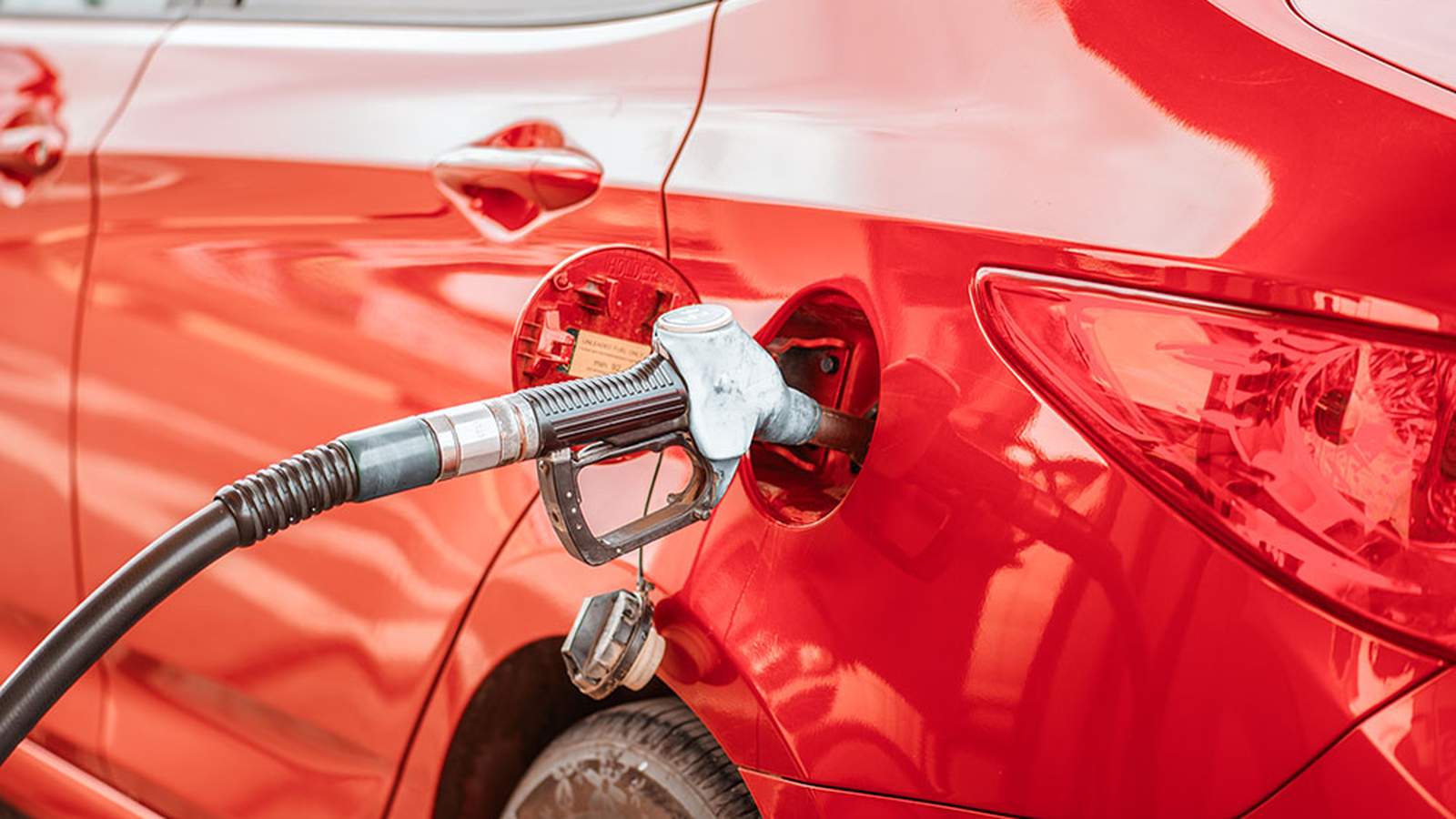
The Russian energy sector is facing significant operational strain as Ukrainian drone strikes against oil refineries intensify. According to reports from Deutsche Welle, President Vladimir Putin has acknowledged emerging fuel shortages, which have manifested in long queues at filling stations in Moscow and regional rationing. While the Kremlin maintains that these supply disruptions are temporary and do not jeopardize the military effort, the inability to shield critical energy infrastructure has introduced new volatility into global fuel markets.
These strikes represent a targeted effort to degrade Russia’s domestic capacity, forcing the state to balance its export-oriented energy economy with the immediate needs of its domestic market. Analysts suggest that the persistence of these strikes, now entering their fifth month of intensified activity, marks a strategic shift in the conflict’s economic dimension.
The Domestic Infrastructure Funding Dilemma
Parallel to international supply concerns, domestic policy in the United States is grappling with the long-term sustainability of traditional fuel-based infrastructure funding. In Nevada, the Regional Transportation Commission (RTC) has raised alarms regarding the erosion of fuel tax revenue, which accounts for over 60 percent of the state’s highway maintenance budget.
As electric vehicle (EV) adoption increases, the “user-pays” model—historically tethered to gasoline and diesel consumption—is becoming obsolete. According to analysis from the Kenny Guinn Center for Policy Priorities, nearly 10 percent of road miles in Nevada are now driven by vehicles that contribute little to nothing in fuel taxes. With Nevada ranking sixth in the nation for EV ownership, officials are considering alternatives, including increased registration fees or a Vehicle Miles Traveled (VMT) tax, to replace the fading revenue stream from the pump.
Analysis: The Crossroads of Energy Policy
The convergence of these events highlights a broader structural challenge. Globally, the reliance on fossil fuels as both an energy source and a fiscal tool is being challenged simultaneously by geopolitical instability and technological transition. For Russia, the vulnerability of its refining capacity exposes the fragility of an energy-dependent state under asymmetric warfare. Conversely, in the U.S., the transition to EVs necessitates a fundamental redesign of public infrastructure financing.
Ultimately, the fiscal model that served the 20th century—taxing consumption at the point of sale—is failing to capture the true cost of infrastructure usage in an electrified transport landscape. Whether through VMT systems or adjusted registration models, the political imperative to secure road maintenance funding will likely force a shift in how governments extract revenue from a diversifying automotive fleet.