


A Summit of Strategic Whiplash
The NATO summit held in Ankara, Turkey, this week proved to be a defining moment for transatlantic relations, characterized by 48 hours of intense diplomatic volatility. President Donald Trump, leading a U.S. delegation that included Secretary of State Marco Rubio and Defense Secretary Pete Hegseth, moved from aggressive public criticism of NATO allies to declaring an atmosphere of “tremendous love” within the alliance’s closed-door sessions.
The summit’s opening was dominated by the President’s declaration that the ceasefire with Iran was “over,” a move that sent immediate shockwaves through global markets and raised alarms regarding the stability of the Persian Gulf. Coupled with public rebukes regarding defense spending targets—specifically targeting Spain and Denmark—the initial phase of the summit appeared to signal a fracturing of the security bloc.
The Deterrence Gap
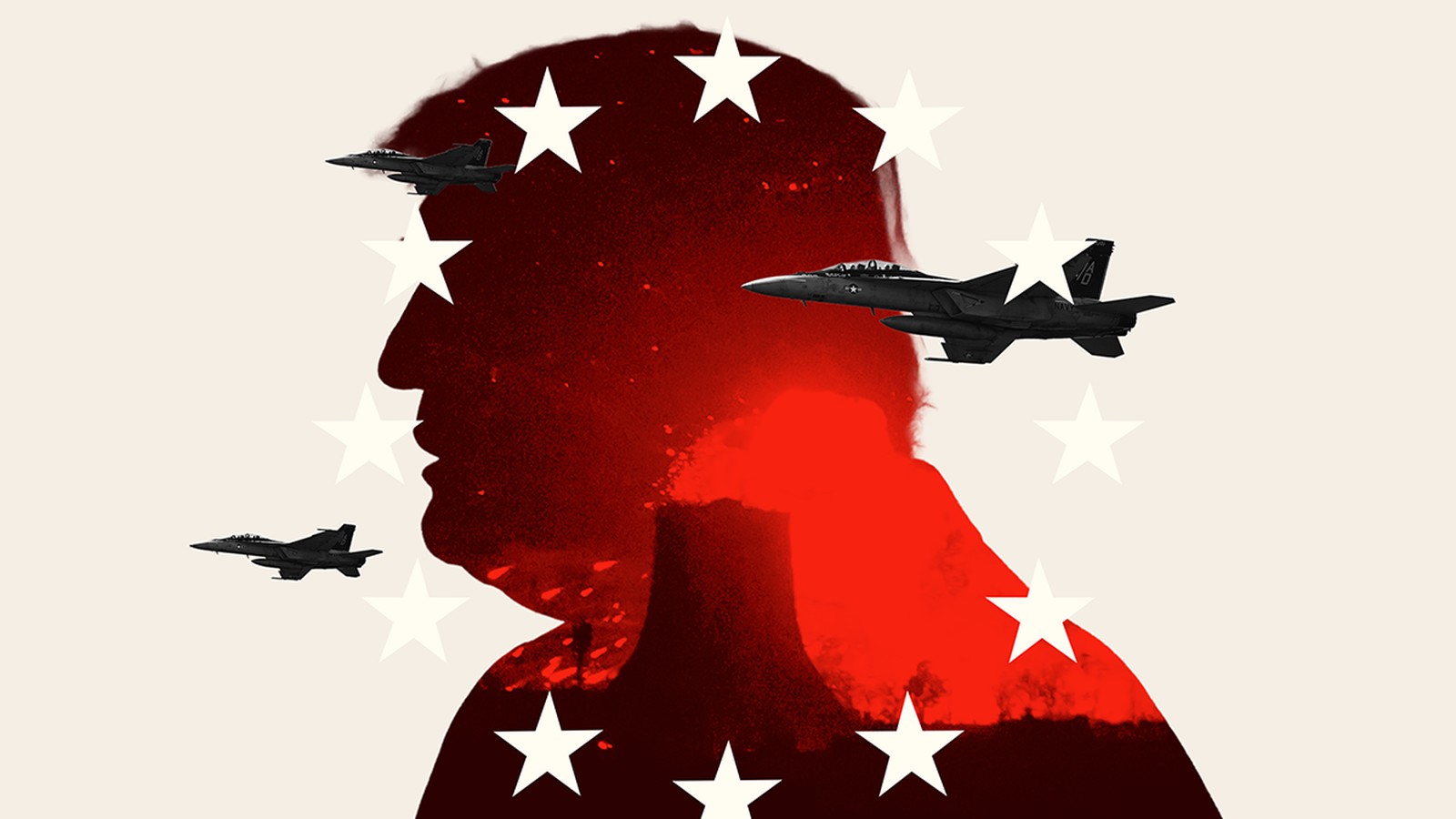
Beyond the optics, the summit highlighted a growing “deterrence gap.” Security experts, including Claudia Major of the German Marshall Fund, have warned that the perception of a mismatch between Europe’s interests and its capacity to defend them is becoming a strategic liability. With the U.S. shifting its focus and military resources toward its conflict with Iran, European nations face a precarious window of vulnerability.
Pierre Haroche, a security expert at the Catholic University of Lille, noted that the primary challenge for Europe remains a lack of industrial coordination. While the European Commission has increased defense spending, the fragmentation of the European defense industrial base remains a significant hurdle. As Europe seeks to move toward greater “digital autonomy” and independent military production, the risk of a Russian escalation during this transition period remains a central concern for NATO leadership.
Looking Ahead
By the conclusion of the summit, the mood had shifted. Ukrainian President Volodymyr Zelenskyy reportedly secured preliminary agreements for the production of Patriot missile systems, while Turkey’s President Recep Tayyip Erdoğan solidified his position as a key diplomatic broker. However, the underlying tensions remain. As allies adjust to a U.S. foreign policy characterized by rapid narrative shifts, the long-term viability of current security guarantees remains the primary question for the alliance.